

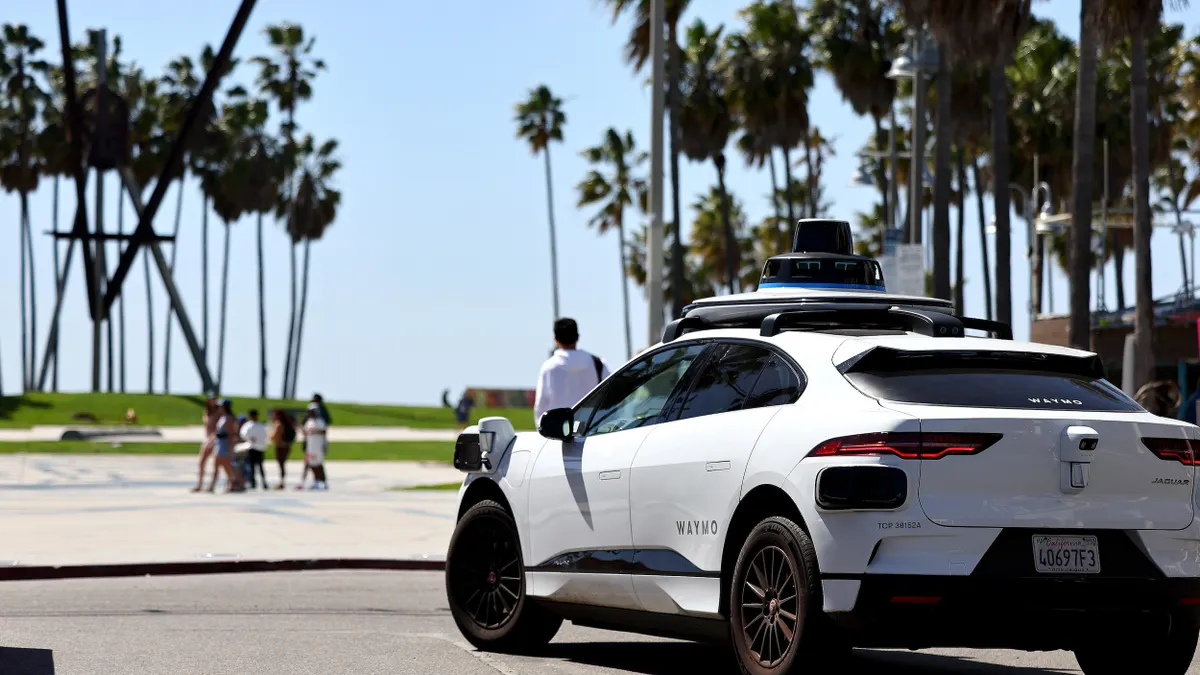
Uber Technologies and Motional have taken a significant step toward the future of urban mobility with the launch of a new robotaxi service in Las Vegas. Beginning today, riders using the Uber app in select areas of the city can be matched with an all-electric autonomous vehicle — the Hyundai IONIQ 5 robotaxi — providing a new transportation option designed to combine convenience, advanced technology, and sustainability. The initiative marks another milestone in the evolving partnership between the ride-hailing giant and the autonomous vehicle developer, which is majority owned by Hyundai Motor Group.
A New Autonomous Ride Option in Las Vegas
The introduction of robotaxi services in Las Vegas is designed to bring cutting-edge mobility technology directly to riders traveling along the city’s most popular destinations. At launch, the service will initially operate from several designated pickup and drop-off locations across key areas of the city.
Riders can access the service along Las Vegas Strip, one of the most iconic and busiest tourist corridors in the world. Early operating zones include rideshare pickup areas at Resorts World Las Vegas and Encore at Wynn Las Vegas. Additional service points include Westgate Las Vegas Resort & Casino, as well as curbside pickup areas in Downtown Las Vegas and the shopping and entertainment district at Town Square Las Vegas near the airport.
These initial service zones were chosen because they represent high-demand areas frequently used by both residents and visitors. The companies plan to gradually expand the robotaxi operating area as testing continues and the system scales.
For riders exploring Las Vegas — whether attending conventions, visiting casino resorts, or simply enjoying the city’s nightlife — the robotaxi option offers an innovative new way to travel between destinations.
How Riders Can Access a Motional Robotaxi
The new service has been integrated directly into the Uber platform, meaning riders do not need to download a separate application or learn a new system. The process is designed to be seamless and familiar to anyone who has used Uber previously.
When requesting a ride through the app, customers selecting certain ride categories may be matched with a Motional robotaxi. Eligible ride options currently include UberX, Uber Electric, Uber Comfort, and Uber Comfort Electric.
If the system identifies an available robotaxi nearby, the rider will receive a notification informing them of the match. Importantly, riders maintain full control over the choice of vehicle. They can either accept the autonomous ride or switch to a conventional driver-operated vehicle if they prefer.
The companies emphasized that there is no additional cost associated with selecting a robotaxi ride. The price remains the same as the standard ride category requested.
This pricing strategy is intended to encourage early adoption and allow riders to experience autonomous transportation without a premium cost barrier.
Starting the Journey
Once the robotaxi arrives at the designated pickup location, the process of beginning the ride is straightforward. Riders unlock the vehicle through the Uber app, just as they would with other app-enabled vehicle services.
After entering the vehicle, passengers will hear automated audio prompts reminding them to close the doors and fasten their seat belts before the journey begins. These cues help ensure safety and reinforce the passenger experience designed specifically for autonomous transportation.
The vehicle then proceeds along the programmed route to the destination chosen within the Uber app.
Because the robotaxi service is designed specifically for ride-hailing use, the cabin layout and passenger interface are optimized for comfort, accessibility, and intuitive interaction.
Boosting the Chance of Getting a Robotaxi
For riders who are particularly interested in trying the autonomous experience, Uber has introduced a special option within the app’s settings.
Customers can navigate to the “Ride Preferences” section and opt in to increase their chances of being matched with a robotaxi when available. This feature allows both residents and visitors to signal their interest in autonomous rides, making it easier for the platform to connect them with available vehicles.
The option is especially appealing for technology enthusiasts and tourists who want to experience one of the latest developments in transportation during their visit to Las Vegas.
Safety and Human Support
Safety remains a central focus for both Uber and Motional as they introduce autonomous rides to the public.
Motional’s robotaxis operate according to the safety standards outlined in Uber’s Autonomous Safety Guidelines. These guidelines govern how autonomous vehicles are integrated into the ride-hailing network and establish protocols for passenger safety, system monitoring, and operational oversight.
Additionally, riders always have access to human support if assistance is required during the trip. Through the Uber app, passengers can connect with support teams capable of helping with any questions or issues that may arise.
This combination of autonomous technology and real-time human support aims to provide riders with confidence and peace of mind as they experience the new service.
Industry Leaders on the Launch
Executives from both companies highlighted the significance of the launch and its potential impact on the future of transportation.
According to Sarfraz Maredia, President of Autonomous Mobility and Delivery at Uber, the introduction of robotaxi rides in Las Vegas represents an important milestone for the partnership between Uber and Motional.
Maredia explained that the launch reflects a shared commitment to integrating autonomous vehicles in a way that prioritizes safety, reliability, and accessibility. By expanding the number of transportation options available through the Uber platform, the companies hope to improve mobility while introducing advanced technology to everyday riders.
Meanwhile, David Carroll, vice president of commercialization at Motional, emphasized that the company is eager to apply its experience in ride-hailing environments to the new partnership.
Carroll noted that Motional’s AI-first autonomous driving system is designed to handle complex urban environments and navigate the busy pickup and drop-off points that are common across Las Vegas.
This includes locations such as casino resorts, shopping districts, and downtown entertainment areas — all places where Uber riders frequently request rides.
The Technology Behind the Robotaxi
At the center of the new service is the autonomous version of the Hyundai IONIQ 5. The vehicle was developed specifically for driverless mobility through a collaboration between Motional and Hyundai Motor Group.
The IONIQ 5 robotaxi has been custom-designed for ride-hailing operations, meaning it is engineered for durability, reliability, and passenger comfort in high-frequency service environments.
One of its most significant achievements is regulatory compliance. The vehicle is among the first autonomous cars capable of operating at SAE Level 4 automation to receive certification under the U.S. Federal Motor Vehicle Safety Standards (FMVSS).
Level 4 automation means the vehicle can operate autonomously under specific conditions without requiring human intervention, though the system is still monitored to ensure safe operation.
This certification represents a critical step toward large-scale deployment of autonomous ride services across the United States.
Transition Toward Fully Driverless Operations
While the long-term goal is fully driverless transportation, the initial rollout of the service includes a human vehicle operator sitting behind the steering wheel.
The operator’s role is primarily to monitor the vehicle’s performance and ensure safety during the early stages of deployment. This phased approach allows the companies to gather additional data and refine the system as the service expands.
Motional and Uber expect to transition to a fully driverless service — with no human operator inside the vehicle — by the end of the year.
Once that milestone is achieved, Las Vegas could become one of the leading cities in the United States for widespread autonomous ride-hailing operations.
A Long-Term Partnership
The robotaxi launch builds upon a strategic partnership between Uber and Motional that was formalized in 2022. Under a 10-year framework agreement, the companies committed to working together to scale autonomous mobility services across Uber’s global platform.
The partnership combines Motional’s expertise in autonomous vehicle technology with Uber’s vast ride-hailing network and customer base.
Before launching passenger robotaxi rides, the two companies tested their collaboration through an autonomous delivery pilot program. In early 2022, Motional vehicles were used for deliveries through Uber Eats in Los Angeles.
Later that same year, the companies began testing autonomous ride-hailing in Las Vegas through a limited pilot program.
These earlier trials helped both organizations refine operational procedures, develop safety protocols, and evaluate rider experiences with autonomous transportation.
The Future of Autonomous Mobility
The launch of robotaxi service in Las Vegas signals a broader shift within the transportation industry toward automation and electrification.
Autonomous ride-hailing has the potential to transform urban mobility by reducing operating costs, increasing vehicle utilization, and improving accessibility to transportation services.
For cities like Las Vegas — where millions of tourists travel each year — autonomous rides could help reduce congestion, improve efficiency, and provide visitors with new mobility options.
As Uber and Motional continue expanding the service area and preparing for fully driverless operations, the Las Vegas deployment may serve as a model for similar initiatives in other cities across the United States and beyond.
With the integration of electric vehicles, artificial intelligence, and ride-hailing platforms, the collaboration represents a glimpse into the next generation of transportation — one where technology, sustainability, and convenience come together to reshape how people move through cities.
Source link: https://www.businesswire.com/