

Bridger Aerospace Secures Expanded U.S. Forest Service Contracts for Super Scooper Fleet, Strengthening Wildfire Response Strategy
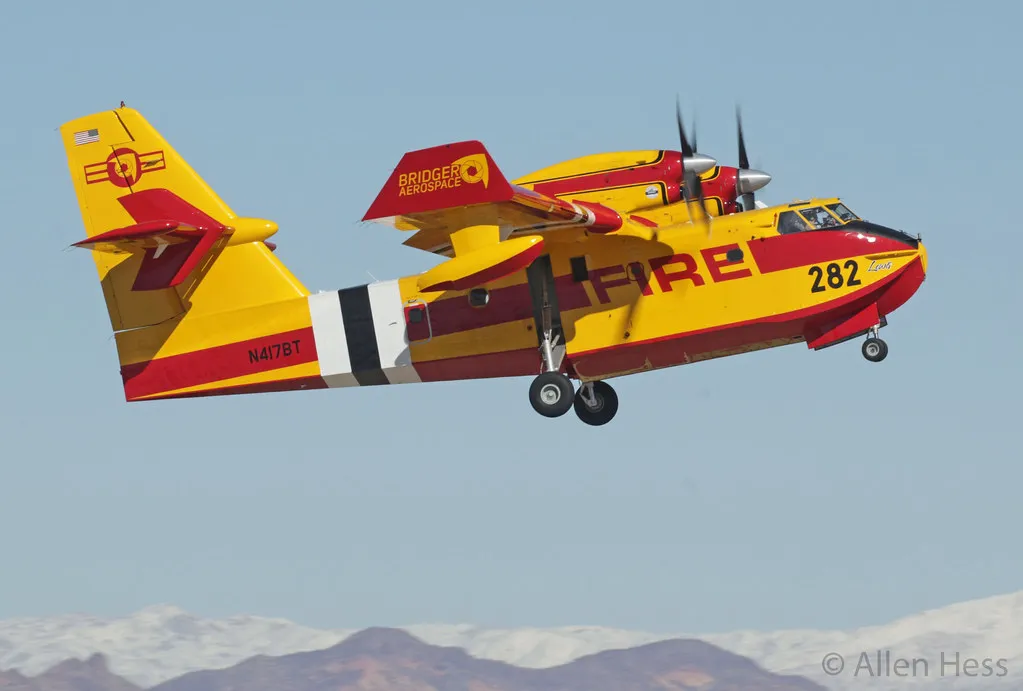
Bridger Aerospace Group Holdings, Inc., one of the leading aerial firefighting and wildfire management companies in the United States, has announced a significant operational and strategic milestone with the award of two separate 160-day task orders from the United States Forest Service. The contracts cover four of the company’s CL-415EAF “Super Scooper” aircraft, reinforcing Bridger’s expanding role in national wildfire suppression efforts.
The new task orders represent an important step forward not only for Bridger Aerospace but also for the broader wildfire management industry, as government agencies increasingly invest in advanced aerial firefighting resources to combat the growing intensity and frequency of wildfires across the country.
Under the newly awarded agreements, each task order covers two Super Scooper aircraft, resulting in a total deployment of four aircraft under federal service commitments. The announcement reflects continued confidence by the U.S. Forest Service in Bridger Aerospace’s specialized capabilities and its ability to provide rapid-response firefighting support during critical wildfire events.
Immediate Deployment Reflects Rising Fire Preparedness
According to the company, the first 160-day task order officially began on Friday, May 8, the same day the order was issued. This immediate activation demonstrates the urgency with which federal agencies are approaching wildfire preparedness heading into the peak fire season.
The second task order is structured to extend operational coverage well into the fourth quarter of 2026. This extended deployment timeline ensures sustained aerial firefighting support during what has increasingly become a year-round wildfire threat in many regions of the United States.
The contracts add significant operational value compared to previous arrangements. Last year, each aircraft was guaranteed 120 flying days under its federal agreements. The new task orders increase that commitment by an additional 40 days per aircraft, bringing the total guaranteed service period to 160 days for each of the four Super Scoopers.
This extension marks a meaningful enhancement in resource utilization and provides Bridger Aerospace with increased operational stability while ensuring greater readiness for emergency response missions.
Expansion of Flight Commitments Signals Industry Shift
The additional guaranteed days reflect a broader shift in wildfire suppression strategies in the United States. Federal land management agencies are increasingly moving toward earlier contract awards and longer-duration agreements as wildfire behavior continues to evolve.
Historically, aerial firefighting assets were often activated during peak seasonal demand periods. However, climate patterns, prolonged drought conditions, and changing ecosystems have contributed to wildfire seasons that begin earlier, last longer, and affect more geographic areas.
By increasing guaranteed flying days for critical assets such as the Super Scooper fleet, the U.S. Forest Service is adopting a more proactive approach to wildfire suppression, emphasizing preparedness rather than reactive deployment.
For Bridger Aerospace, this trend aligns directly with its long-term business strategy of maximizing aircraft utilization throughout the year while providing critical public safety services.
Super Scooper Aircraft Continue to Gain Strategic Importance
At the center of these contracts is Bridger Aerospace’s CL-415EAF “Super Scooper” fleet, a specialized amphibious firefighting aircraft designed for rapid and effective wildfire suppression.
The Super Scooper has become one of the most recognized and effective aerial firefighting tools in operation today. Its amphibious capabilities allow it to skim across nearby lakes, reservoirs, or other water bodies, collecting thousands of gallons of water in just seconds without needing to land.
This unique operational advantage dramatically reduces turnaround times during active wildfire incidents, allowing aircraft to make repeated drops in quick succession. The ability to reload rapidly can be decisive in containing fast-moving fires before they spread to populated areas or critical infrastructure.
Bridger Aerospace has positioned itself as one of the primary operators of these advanced aircraft in North America, and the latest contracts further solidify the fleet’s importance in federal wildfire response planning.
CEO Highlights Turning Point for Wildfire Management
Sam Davis, Chief Executive Officer of Bridger Aerospace, described the contract awards as a major turning point for both the company and the nation’s wildfire suppression strategy.
According to Davis, the continued trend toward earlier award dates and longer deployment periods reflects growing recognition of the value that advanced aerial firefighting platforms bring to wildfire management.
He emphasized that this marks the second consecutive year in which Bridger has seen earlier federal contract awards coupled with expanded service commitments.
Davis noted that these developments demonstrate the U.S. Forest Service’s commitment to more aggressive and proactive wildfire management practices, especially as wildfires become increasingly complex and destructive.
He also highlighted the Super Scooper’s role as one of the most advanced and mission-critical firefighting aircraft currently operating in the industry.
Year-Round Wildfire Threat Driving Operational Change
One of the key themes emphasized by Bridger Aerospace is the changing nature of wildfire risk across the United States.
Traditionally viewed as a seasonal challenge, wildfires are now increasingly considered a year-round threat. Regions that once experienced defined fire seasons are now facing extended periods of elevated fire danger due to rising temperatures, drought conditions, and vegetation stress.
This shift has forced firefighting agencies, contractors, and emergency planners to rethink resource allocation strategies.
Bridger Aerospace has been actively adapting its business model to reflect this new reality. The company’s focus on year-round deployment is designed to ensure its aircraft, crews, and support infrastructure remain operationally prepared throughout the calendar year.
The latest task orders support this strategy by providing longer guaranteed service periods, helping the company maintain personnel readiness, aircraft maintenance schedules, and logistical support systems without seasonal gaps.
Financial and Operational Benefits for Bridger Aerospace
Beyond the operational significance, the task orders also provide important financial benefits for Bridger Aerospace.
Longer guaranteed flying periods create more predictable revenue streams, allowing the company to better plan investments in fleet maintenance, pilot training, technology upgrades, and operational expansion.
In industries where contract timing and utilization can vary significantly, increased visibility into future revenues is a critical advantage.
The 160-day commitments help Bridger align its resources more efficiently, optimize staffing levels, and support continued fleet modernization initiatives.
These contracts also enhance investor confidence by demonstrating stable demand for the company’s specialized aerial firefighting services.
As wildfire suppression becomes an increasingly important public safety priority, companies with proven operational capabilities and established government relationships are expected to benefit from sustained demand growth.
Supporting Communities and Critical Infrastructure
Bridger Aerospace’s mission extends beyond financial performance. The company plays a critical role in protecting communities, ecosystems, and infrastructure from wildfire threats.
Its aircraft are often deployed to protect residential neighborhoods, commercial developments, transportation corridors, power infrastructure, forests, and environmentally sensitive areas.
Rapid aerial suppression can prevent fires from escalating into catastrophic events, potentially saving lives, reducing economic losses, and preserving natural habitats.
The company’s growing partnership with the U.S. Forest Service highlights the importance of public-private collaboration in addressing increasingly severe wildfire challenges.
Through its specialized fleet and experienced flight crews, Bridger continues to provide essential emergency response capabilities during some of the nation’s most dangerous fire events.
Building Long-Term Capacity for Future Fire Seasons
As climate trends continue to intensify wildfire risks, demand for specialized firefighting aircraft is expected to remain strong.
Bridger Aerospace appears well positioned to capitalize on this long-term market opportunity while simultaneously supporting national emergency preparedness objectives.
The expanded task orders provide operational momentum heading into future fire seasons and strengthen the company’s position as a trusted partner for federal firefighting agencies.
With earlier awards, longer deployment windows, and increased aircraft utilization, Bridger is building the foundation for a more resilient and scalable aerial firefighting business model.
At the same time, the company is helping shape a new standard in wildfire response—one that prioritizes rapid deployment, sustained readiness, and year-round operational capability.
The latest U.S. Forest Service task orders represent more than just a contract extension for Bridger Aerospace. They signal an evolving national strategy for wildfire management and reinforce the growing importance of advanced aerial firefighting technologies.
For Bridger, the agreements strengthen both operational readiness and financial visibility while supporting its broader mission of protecting lives, property, critical infrastructure, and natural resources.
As wildfire threats continue to challenge communities across the United States, partnerships like this will remain essential in building a faster, smarter, and more resilient emergency response network.
With its Super Scooper fleet now secured for extended deployments into late 2026, Bridger Aerospace is positioned to play an even greater role in the future of aerial wildfire suppression.
Source link: https://www.businesswire.com/