

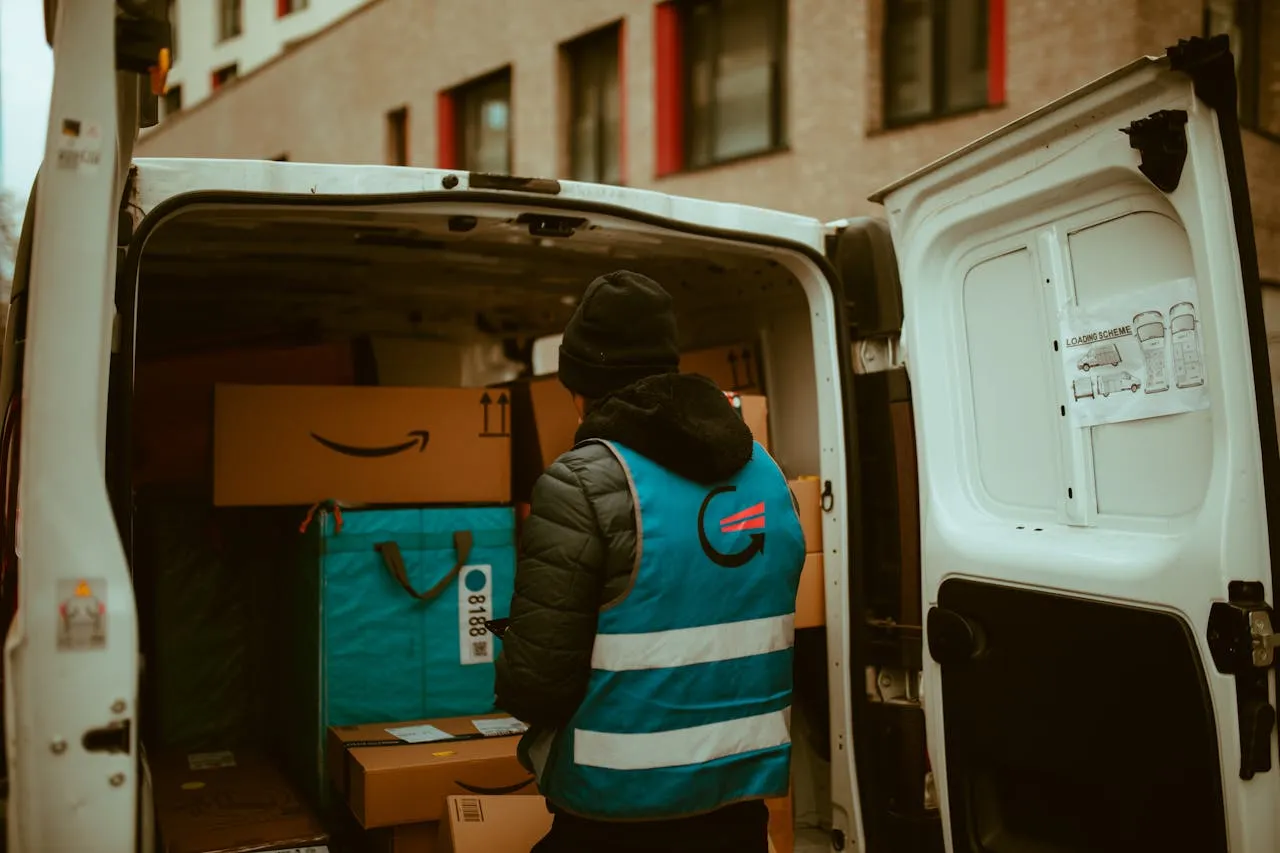
Amazon Expands Amazon Now Across the U.S., Bringing 30-Minute Delivery to Millions of Customers
Amazon.com, Inc. has taken another major step in reshaping the future of e-commerce fulfillment with the nationwide rollout of Amazon Now, its ultra-fast delivery platform designed to bring groceries, everyday essentials, and locally relevant products to customers’ doors in 30 minutes or less. The expansion marks one of the company’s most aggressive moves yet in the race for faster fulfillment, positioning Amazon to compete more directly with grocery delivery apps, local convenience platforms, and traditional retailers that have increasingly embraced rapid commerce.
The newly announced expansion makes Amazon Now available to millions of customers across dozens of U.S. metropolitan areas, with full-scale service already active in major markets including Atlanta, Dallas-Fort Worth, Philadelphia, and Seattle. At the same time, Amazon is accelerating deployment in several additional urban regions such as Austin, Houston, Minneapolis, Orlando, Phoenix, Denver, and Oklahoma City. According to the company, the service is expected to reach tens of millions more customers across the United States before the end of 2026.
The launch represents a significant evolution in Amazon’s delivery strategy. While the company has long been recognized for its one-day, same-day, and scheduled delivery options, Amazon Now introduces a new level of immediacy that caters to modern consumers who increasingly expect instant access to products.
Udit Madan, Senior Vice President of Amazon Worldwide Operations, described the service as a natural extension of Amazon’s customer-first philosophy. According to Madan, Amazon Now is designed for moments when customers need products quickly and want the convenience of having essential items delivered within minutes rather than hours or days.
With Amazon Now, customers can order thousands of products across multiple categories. The product selection includes fresh groceries, dairy products, bakery items, produce, household essentials, electronics, baby products, pet supplies, health and personal care items, and regionally relevant merchandise based on local demand. In some eligible locations, alcohol delivery is also available where regulations permit. Amazon says the goal is to make the platform useful for both planned purchases and urgent needs, whether customers need ingredients for dinner, a last-minute travel accessory, or a forgotten household product.
Simplified Shopping Experience
Customers in eligible delivery zones can access Amazon Now directly through the Amazon website or mobile app. Once the service is available in a user’s area, a “30-Minute Delivery” banner appears on the homepage or within the shopping interface, making it easy for customers to identify products eligible for ultra-fast fulfillment.
Amazon has built the experience to be seamless and familiar. Users can browse products by category, search for specific items, and receive personalized recommendations based on their previous shopping behavior. This integration means customers do not need to download a separate app or use an external service to access rapid delivery.
Pricing for the service varies depending on membership status. Prime members receive discounted delivery pricing, paying $3.99 per order. Customers without a Prime membership pay $13.99 per order. Additional small-order fees apply for purchases below $15, with Prime members paying $1.99 and non-members paying $3.99.
In most service regions, Amazon Now operates around the clock, giving customers access to products 24 hours a day. This extended operating model allows the platform to serve both daytime shopping patterns and urgent overnight needs.
Behind the Speed: Amazon’s Urban Fulfillment Strategy
A major factor behind Amazon Now’s rapid delivery promise is its use of a network of smaller fulfillment sites positioned close to population centers. Rather than shipping products from large regional warehouses located far from city centers, Amazon Now orders are fulfilled from compact, strategically placed micro-fulfillment facilities.
These smaller locations allow products to be stocked closer to where customers live and work, reducing transportation distances and enabling significantly faster delivery times. The model also helps Amazon improve inventory efficiency by stocking regionally popular products based on local buying patterns.
Amazon says the operational design also prioritizes workplace efficiency and safety. Orders are picked, packed, and dispatched from these facilities in a streamlined workflow that reduces unnecessary handling while supporting rapid order turnover.
This infrastructure approach reflects Amazon’s broader strategy of using technology, automation, and data forecasting to position inventory where it is most likely to be needed. The company has increasingly used artificial intelligence and predictive analytics to anticipate customer demand, allowing it to pre-position products for faster delivery.
Expanding Amazon’s Delivery Ecosystem
Amazon Now is not replacing Amazon’s existing delivery services. Instead, it complements a growing portfolio of fulfillment options designed to meet different customer needs.
Amazon’s fastest U.S. delivery network now includes:
Amazon Now
Customers can receive thousands of groceries, essentials, and locally relevant products in approximately 30 minutes in dozens of cities.
Prime Air Drone Delivery
Available in select U.S. locations, Prime Air offers delivery in under 60 minutes using autonomous drone technology.
1-Hour and 3-Hour Delivery
Customers can choose from more than 90,000 products available for rapid delivery through Amazon’s same-day infrastructure.
Same-Day Delivery
Millions of items are eligible for same-day delivery across more than 10,000 U.S. cities and towns, including both major metropolitan areas and smaller rural communities.
By offering multiple speed-based fulfillment options, Amazon is giving customers more flexibility depending on urgency, order size, and product category.
Record-Breaking Delivery Performance
The Amazon Now expansion follows a record-setting year for Amazon’s delivery business. In 2025, Amazon delivered more than 13 billion items to Prime members globally on the same day or next day, marking the third consecutive year of record-breaking delivery speeds.
In the United States alone, Prime members received more than 8 billion same-day or next-day deliveries during the year, representing an increase of over 30% compared with the previous year.
Notably, groceries and everyday essentials accounted for approximately half of all fast-delivered items in the U.S., signaling a major shift in consumer shopping habits. Rather than using fast delivery primarily for occasional purchases, customers are increasingly relying on Amazon for routine household needs.
Industry analysts view this trend as a sign that convenience-driven shopping behavior is becoming deeply embedded in consumer lifestyles. As customers grow accustomed to receiving products within hours—or now within minutes—expectations across the retail sector continue to rise.
Prime Membership Continues to Drive Value
Amazon’s Prime ecosystem remains central to the success of its delivery strategy. Prime members in the United States currently receive free shipping on more than 300 million items, with tens of millions eligible for same-day or next-day delivery.
According to Amazon, U.S. Prime members saved an average of $550 on shipping and delivery benefits during 2025—nearly four times the cost of an annual membership.
Amazon also noted that Prime members increasingly use delivery services for repeat purchases, reducing trips to physical stores and saving significant time throughout the year. The company estimates members avoided dozens of in-store shopping trips thanks to faster delivery access.
Competitive Pressure Across Retail
The expansion of Amazon Now also increases pressure on competing retailers and delivery platforms. Grocery chains, big-box retailers, and on-demand delivery services have all invested heavily in fast commerce over the past several years.
With Amazon now promising 30-minute delivery on thousands of products through its integrated retail ecosystem, competitors may face increased pressure to accelerate fulfillment speed while maintaining profitability.
Retail experts note that Amazon’s existing logistics network, customer data, Prime membership base, and operational scale provide significant advantages as the company expands into rapid commerce.
The rollout of Amazon Now demonstrates that Amazon sees ultra-fast fulfillment not as a niche premium service, but as an increasingly important part of everyday shopping behavior.
As Amazon continues expanding the platform throughout 2026, the company is not only redefining delivery expectations—it is reshaping how millions of consumers think about convenience, speed, and access in modern retail.
Source link: https://www.businesswire.com/