

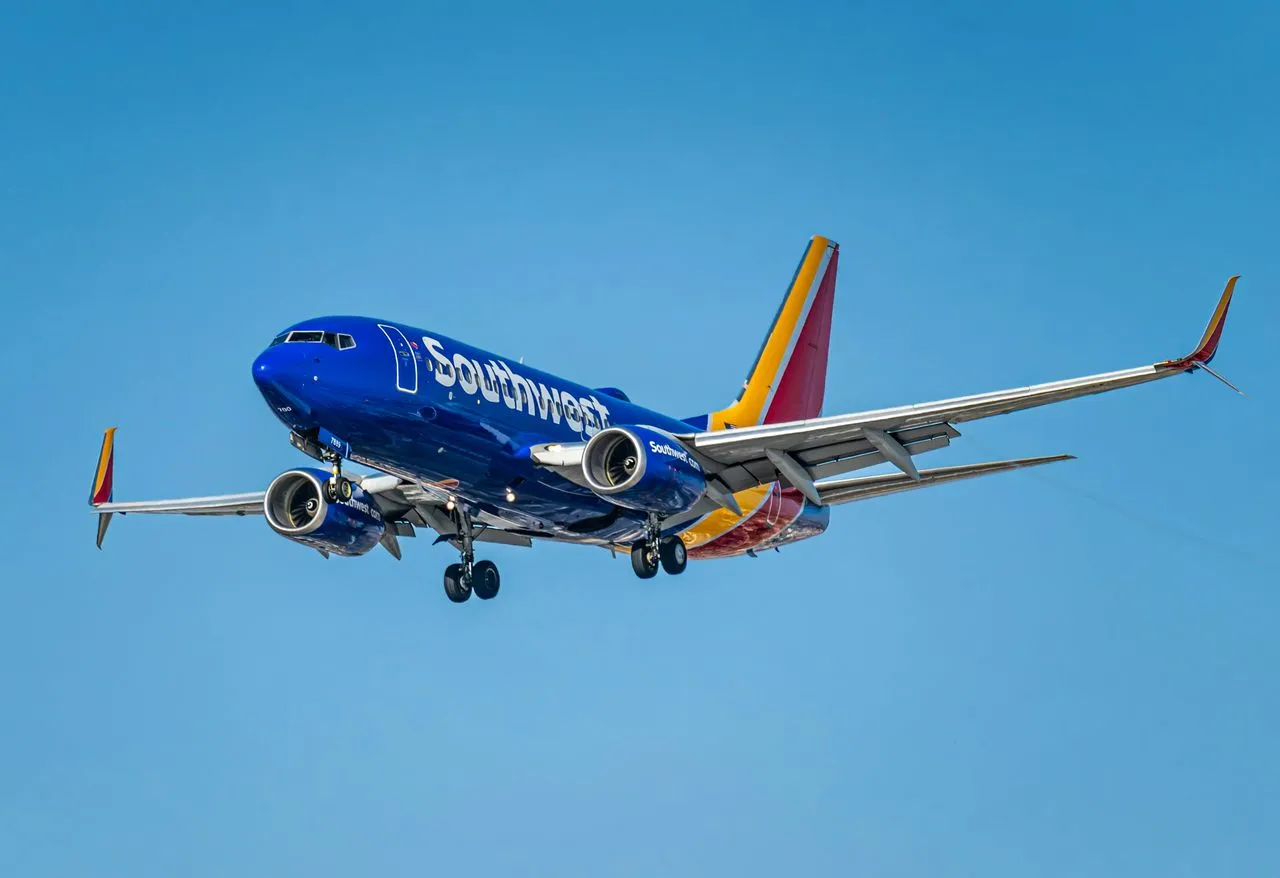
Southwest Airlines and Singapore Airlines Launch Interline Partnership to Expand Global Connectivity
Southwest Airlines Co. and Singapore Airlines (SIA) have entered into a new interline partnership designed to provide travelers with seamless single-ticket journeys between the United States and destinations across Singapore Airlines’ extensive global network. The collaboration enables passengers to connect Southwest’s domestic U.S. network with Singapore Airlines’ long-haul international routes, strengthening connectivity between North America and key markets in Asia and beyond.
Southwest Airlines executives announced the partnership during the International Air Transport Association (IATA) Annual General Meeting held in Brazil, highlighting the agreement as part of the carrier’s broader strategy to expand its global reach through strategic airline alliances.
Strengthening U.S.–Asia Connectivity Through Strategic Collaboration
The Singapore Airlines Group, which includes both Singapore Airlines and its low-cost subsidiary Scoot, operates flights to more than 130 destinations across 35 countries and territories. Its primary hub at Singapore Changi Airport serves as one of the most important aviation gateways in Asia, connecting travelers across Europe, Asia-Pacific, the Middle East, and North America.
Under the new partnership, Singapore Airlines already operates direct services between Singapore and three major U.S. airports served by Southwest Airlines: Los Angeles International Airport (LAX), Seattle-Tacoma International Airport (SEA), and San Francisco International Airport (SFO). These airports act as critical entry points into the United States, enabling smoother onward travel for international passengers.
With this interline agreement in place, travelers arriving on Singapore Airlines flights can now seamlessly connect to nearly 120 destinations across Southwest Airlines’ domestic network. This significantly expands travel options within the United States, particularly for international passengers seeking convenient access to secondary and regional cities that are not typically served by long-haul international carriers.
Tickets for these combined itineraries are available through Singapore Airlines’ booking channels, accredited travel agents, and major online travel platforms, providing customers with simplified access to multi-carrier journeys under a single itinerary.
Expanding Southwest Airlines’ Global Partnership Network
Southwest Airlines highlighted that Singapore Airlines becomes the eighth carrier to join its growing portfolio of international airline partnerships. These collaborations are designed to extend the airline’s reach beyond its traditional domestic focus by enabling connections with global carriers that serve key international markets.
According to Southwest Airlines Chief Operating Officer Andrew Watterson, the partnership reflects the airline’s continued commitment to improving global accessibility while enhancing the customer experience across its network.
“Singapore Airlines becomes the eighth carrier in our partnership portfolio exemplified by its quality and reach. These carriers are facilitating access to our network for a growing global audience drawn to our improved onboard product and increasingly choosing to fly with us,” Watterson said. “Journeys that pair Southwest and Singapore Airlines not only connect new geographies but also create consistent high-quality Customer experiences.”
The airline’s partnership strategy aligns with its broader transformation efforts aimed at modernizing its product offering and expanding its appeal to both domestic and international travelers.
Enhancing Customer Experience Through Product Evolution
In recent years, Southwest Airlines has introduced several significant updates to improve onboard comfort and overall travel experience. These include assigned seating, optional Extra Legroom seating, and enhanced boarding procedures introduced earlier in the year.
These changes mark a notable evolution for Southwest, which has traditionally operated with an open seating policy. The shift toward more structured seating arrangements and premium options reflects the airline’s response to changing passenger expectations, particularly as it seeks to attract more international travelers connecting through its U.S. network.
The airline emphasized that these enhancements are part of a broader, feedback-driven approach aimed at improving comfort, convenience, and choice for passengers. By investing in product upgrades, Southwest aims to ensure that its onboard experience aligns more closely with global standards while preserving the hospitality and service culture for which its employees are known.
Strategic U.S. Gateway Expansion and Network Growth
Southwest Airlines has also been actively expanding its domestic footprint to support growing demand and improve connectivity across its network. In 2026, the airline has initiated service at five new airports, including St. Thomas in the U.S. Virgin Islands, Sint Maarten, Santa Rosa/Sonoma County in California, Knoxville in Tennessee, and Anchorage in Alaska.
These additions reflect Southwest’s ongoing strategy to strengthen both leisure and business travel markets, while also enhancing its ability to feed traffic into its international partner network.
The combination of new domestic destinations and expanded global partnerships positions Southwest to play a more significant role in connecting international travelers to secondary cities across the United States—an area traditionally underserved by long-haul international carriers.
Singapore Airlines’ Global Strength and Network Reach
Singapore Airlines continues to maintain one of the most extensive and respected international route networks in the global aviation industry. Through its hub at Singapore Changi Airport, the airline connects passengers to major cities across Asia, Europe, Oceania, and North America.
The airline’s reputation for premium service, operational efficiency, and strong global connectivity has made it a preferred partner for airlines seeking to extend their international reach. Its partnership with Southwest Airlines further strengthens its access into the United States, one of the world’s most important aviation markets.
The inclusion of Scoot within the broader Singapore Airlines Group also enhances connectivity options for price-sensitive travelers, offering both full-service and low-cost travel alternatives depending on route and preference.
Growing Importance of Interline Agreements in Global Aviation
Interline partnerships such as the one between Southwest Airlines and Singapore Airlines are becoming increasingly important in the global aviation industry. These agreements allow airlines without full alliance membership to offer integrated ticketing, coordinated baggage handling, and smoother passenger transfers across different carriers.
For passengers, this means simplified booking processes, reduced travel complexity, and more efficient connections across long-haul and short-haul networks. For airlines, interline agreements provide access to new markets without the need for extensive route expansions or regulatory complexities.
In the case of Southwest and Singapore Airlines, the agreement represents a strategic alignment between a major U.S. domestic carrier and a leading Asia-Pacific international airline, bridging two highly complementary networks.
Strengthening Global Reach Through Strategic Partnerships
The partnership between Southwest Airlines and Singapore Airlines underscores a broader trend in the aviation industry, where airlines are increasingly leveraging strategic alliances to expand global reach while maintaining operational flexibility.
For Southwest, the agreement enhances its position as a key domestic connector for international travelers entering the United States. For Singapore Airlines, it strengthens access to a wider range of U.S. destinations beyond major international gateways.
As both carriers continue to evolve their networks and customer offerings, the interline partnership is expected to play a key role in supporting future growth, improving connectivity, and delivering a more seamless global travel experience for passengers.
Source link: https://www.swamedia.com/