

FTAI Aviation Secures $2 Billion Financing Facility to Accelerate Strategic Capital Aircraft Investments
FTAI Aviation has strengthened its aircraft investment platform with the closing of a $2.0 billion warehouse financing facility for its 2026 Special Purpose Vehicle (SPV), the second investment vehicle established under the company’s Strategic Capital business.
The financing, which closed on August 14, 2026, represents another significant milestone for FTAI’s strategy of investing in mid-life narrowbody aircraft while leveraging the company’s specialized engine maintenance capabilities. The facility was syndicated among 13 financial institutions and includes a $1.0 billion accordion feature, potentially increasing the total financing capacity to $3.0 billion.
Proceeds from the facility will be used by the 2026 SPV to acquire on-lease, mid-life Boeing 737NG and Airbus A320ceo aircraft. Acquisitions are scheduled to begin in August, with FTAI expected to perform all engine maintenance associated with the aircraft through its Maintenance, Repair and Exchange business.
The transaction further expands FTAI’s Strategic Capital platform and demonstrates growing financial institution support for its aircraft investment strategy. Following the latest financing, FTAI’s Strategic Capital vehicles have raised a combined $5.5 billion in warehouse financing in less than two years.
Expanding FTAI’s Strategic Capital Platform
The new financing facility builds on the successful launch and deployment of FTAI’s inaugural Strategic Capital investment vehicle, the 2025 SPV.
The first vehicle raised $2.0 billion in equity commitments in October 2025 and established the foundation for FTAI’s strategy of acquiring mid-life narrowbody aircraft and combining asset ownership with the company’s engine maintenance capabilities.
The successful deployment of the 2025 SPV has now enabled FTAI to move forward with its second Strategic Capital vehicle.
According to FTAI, the inaugural vehicle has committed approximately $6.0 billion of total capital across more than 300 aircraft in less than two years. The vehicle has now entered its harvest phase, marking a transition from the primary acquisition and deployment period toward realizing value from its portfolio.
The launch of the 2026 SPV allows FTAI to continue pursuing opportunities in the mid-life narrowbody aircraft market while maintaining the investment strategy that has supported the development of its Strategic Capital business.
$2 Billion Facility Includes Expansion Capacity
The $2.0 billion warehouse facility provides significant funding capacity for the 2026 SPV’s planned acquisitions.
Importantly, the financing includes a $1.0 billion accordion feature. If fully utilized, the feature would increase the facility’s potential total capacity to $3.0 billion.
This additional capacity gives FTAI flexibility as investment opportunities develop and allows the company to potentially expand the size of the 2026 SPV’s aircraft portfolio.
Warehouse financing can provide investment vehicles with the capital needed to acquire assets as transactions become available, creating a bridge between acquisition activity and longer-term financing or capital deployment strategies.
For FTAI’s Strategic Capital business, the facility provides a substantial source of financing to support the acquisition of additional aircraft in the current market.
Focus on Mid-Life Narrowbody Aircraft
The 2026 SPV will focus on acquiring on-lease, mid-life Boeing 737NG and Airbus A320ceo aircraft.
These aircraft families are among the most widely used narrowbody platforms in commercial aviation, with large global fleets operating across major airline markets.
Mid-life aircraft can offer investment opportunities because they remain operationally useful while potentially providing attractive acquisition economics compared with newer aircraft.
The aircraft targeted by FTAI will be on lease, providing an existing operating and revenue structure at the time of acquisition.
The strategy allows FTAI to combine aircraft ownership with its specialized maintenance capabilities, creating an integrated approach to managing aviation assets.
Engine Maintenance Provides Strategic Advantage
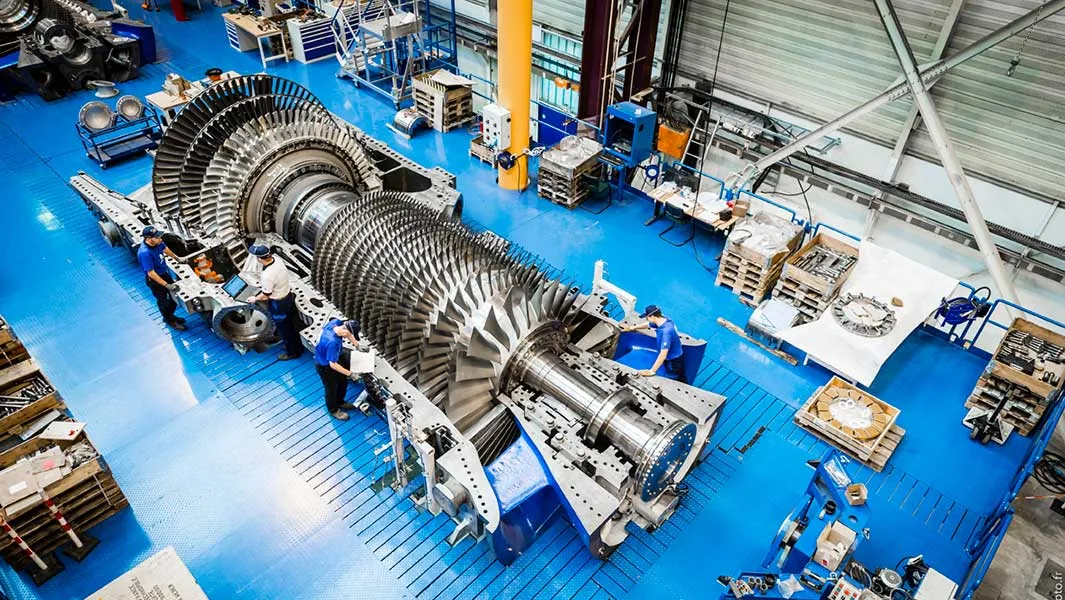
A key component of FTAI’s Strategic Capital model is the relationship between aircraft ownership and its Maintenance, Repair and Exchange business.
FTAI will perform all engine maintenance for the aircraft acquired by the 2026 SPV through its MRE business.
This capability differentiates the Strategic Capital platform from investment models focused solely on aircraft ownership.
Engine maintenance represents an important component of commercial aviation asset management. Aircraft engines require regular inspections, repairs and maintenance throughout their operating lives, and the associated costs can have a significant impact on aircraft economics.
By integrating its engine maintenance capabilities with aircraft investment, FTAI can apply its aviation expertise across multiple stages of the asset lifecycle.
The approach also creates a closer connection between the company’s investment activities and its broader aviation services business.
Strategic Capital Vehicle Reaches New Stage
FTAI’s Strategic Capital business has expanded rapidly since the launch of its first investment vehicle.
The 2025 SPV raised $2.0 billion of equity commitments in October 2025 and subsequently committed approximately $6.0 billion in total capital across more than 300 aircraft.
The scale of that deployment demonstrates the level of investment activity generated by FTAI’s strategy.
With the inaugural vehicle now entering its harvest phase, the launch of the 2026 SPV creates a new platform for additional acquisitions.
This sequential approach allows FTAI to maintain investment activity while its earlier vehicle progresses toward the next stage of its lifecycle.
The new financing also provides evidence that financial institutions continue to support the company’s aviation asset investment strategy.
Confidence From Lending Partners
The $2.0 billion facility was syndicated among 13 financial institutions.
ATLAS SP Partners and Deutsche Bank served as co-structuring agents, while the lender group included ATLAS SP Partners, Deutsche Bank, Apple Bank, BNP Paribas, Citibank, Citizens Bank, Goldman Sachs, MUFG Bank, PNC Bank, Royal Bank of Canada, Standard Chartered, Truist Bank and U.S. Bank.
The participation of a diverse group of financial institutions provides FTAI with access to a broad lending base and supports the scalability of its Strategic Capital platform.
Kallie Steffes, Head of Strategic Capital at FTAI, said the financing represents continued execution of the company’s Strategic Capital business plan.
Steffes highlighted the progress achieved by the inaugural vehicle, noting that it had committed approximately $6.0 billion of total capital across more than 300 aircraft and had entered its harvest phase.
The executive also expressed appreciation to FTAI’s lending partners, noting that their support reflects growing confidence in the company’s platform.
According to Steffes, FTAI enters the 2026 SPV with momentum and a robust pipeline of potential new acquisitions.
A Growing Aircraft Investment Opportunity
The aviation industry continues to require substantial investment in aircraft as airlines manage fleet modernization, capacity requirements and changes in passenger demand.
While airlines increasingly seek newer aircraft with improved fuel efficiency, mid-life narrowbody aircraft remain important components of global commercial fleets.
The Boeing 737NG and Airbus A320ceo families have established large operator bases and extensive maintenance ecosystems.
For aircraft investors, these characteristics can contribute to liquidity and continued demand for assets throughout their operational lives.
FTAI’s focus on on-lease aircraft adds another element to its strategy. Rather than acquiring aircraft without existing lease arrangements, the company is targeting assets that are already placed with operators.
This approach can provide greater visibility into the aircraft’s operating status and revenue profile at acquisition.
Integrating Ownership and Maintenance
FTAI’s Strategic Capital strategy is built around combining aircraft investment with aviation technical capabilities.
Traditional aircraft investment structures generally focus on purchasing and leasing aircraft. FTAI’s approach adds its own engine maintenance expertise to the equation.
The company’s Maintenance, Repair and Exchange business provides specialized capabilities related to aircraft engines.
Performing engine maintenance internally can give FTAI greater visibility into maintenance requirements and asset condition while supporting the long-term management of its aircraft portfolio.
This integrated model is particularly relevant for mid-life aircraft, where maintenance planning becomes increasingly important as assets accumulate operating hours and cycles.
By connecting its investment and maintenance businesses, FTAI can potentially create additional value from its technical expertise while supporting the operational performance of its aircraft investments.
Building Scale Through Repeat Investment Vehicles
The creation of multiple Strategic Capital vehicles gives FTAI a framework for expanding its aircraft investment activity over time.
The 2025 SPV established the platform, while the 2026 SPV builds on that foundation.
The ability to secure another large financing facility in a relatively short period demonstrates the company’s progress in establishing its Strategic Capital business with institutional lenders.
The $5.5 billion in warehouse financing raised by FTAI’s Strategic Capital vehicles in less than two years represents substantial financing capacity for aircraft acquisitions.
The latest facility further strengthens the platform by providing up to $3.0 billion of potential capacity through the $1.0 billion accordion feature.
The Role of Aircraft Leasing
Aircraft leasing is an important part of the global aviation ecosystem, allowing airlines to access aircraft without purchasing them outright.
For asset owners, leasing provides a way to generate revenue from aircraft while maintaining ownership of the underlying assets.
FTAI’s acquisition of on-lease aircraft through the 2026 SPV therefore places the company within a broader aviation investment ecosystem connecting aircraft owners, lessors, airlines, maintenance providers and financial institutions.
The strategy is designed to capitalize on the continuing need for narrowbody aircraft across global markets.
As airlines manage fleet requirements, the availability of well-maintained mid-life aircraft can remain important, particularly when deliveries of new aircraft are constrained or delayed.
Legal and Financial Support
The financing transaction was supported by experienced legal advisers.
Gibson, Dunn & Crutcher LLP served as counsel to FTAI, while Clifford Chance US LLP served as counsel to the lenders.
The involvement of established legal and financial institutions reflects the scale and complexity of the warehouse financing structure.
The transaction brings together aircraft investment, structured finance, commercial aviation assets and specialized maintenance capabilities within a single investment framework.
Supporting Future Acquisitions
The 2026 SPV will begin acquiring aircraft in August, providing FTAI with a new source of investment activity following the successful deployment of its first Strategic Capital vehicle.
The company says it has a robust pipeline of potential acquisitions, suggesting that the new financing facility could support continued purchasing activity over the coming period.
The $1.0 billion accordion feature provides additional flexibility if investment opportunities exceed the initial $2.0 billion facility.
This structure allows the company to scale financing capacity in response to the availability of suitable assets without necessarily establishing an entirely new financing arrangement.
For the aviation asset market, such flexibility can be valuable because attractive aircraft acquisition opportunities can emerge at different points in the market cycle.
FTAI Aviation’s latest financing represents a major milestone in the development of its Strategic Capital business.
The $2.0 billion warehouse financing facility for the 2026 SPV provides substantial capacity to acquire on-lease, mid-life Boeing 737NG and Airbus A320ceo aircraft, while the $1.0 billion accordion feature creates potential total financing capacity of $3.0 billion.
The facility also builds on the momentum generated by the company’s inaugural 2025 SPV, which raised $2.0 billion in equity commitments and has committed approximately $6.0 billion of total capital across more than 300 aircraft.
With the first vehicle entering its harvest phase and the second vehicle beginning its acquisition program, FTAI is creating a continuing cycle of aircraft investment and portfolio development.
The company’s ability to combine aircraft ownership with its Maintenance, Repair and Exchange capabilities remains a central feature of the strategy. By performing engine maintenance for the aircraft acquired through Strategic Capital vehicles, FTAI can integrate its investment and aviation services expertise.
The support of 13 financial institutions further demonstrates the financing community’s willingness to support the company’s aircraft investment strategy.
As FTAI moves forward with the 2026 SPV, the company will focus on executing its acquisition pipeline, deploying available financing and continuing to build scale in the mid-life narrowbody aircraft market.
The latest transaction ultimately strengthens FTAI’s position as an aviation asset investor with an integrated maintenance platform. With $5.5 billion of warehouse financing raised by its Strategic Capital vehicles in less than two years, a potential $3.0 billion financing capacity for the 2026 SPV and a substantial pipeline of aircraft acquisitions, FTAI is positioned to continue expanding its role in the global aviation asset market.
Source link: https://ir.ftaiaviation.com/