

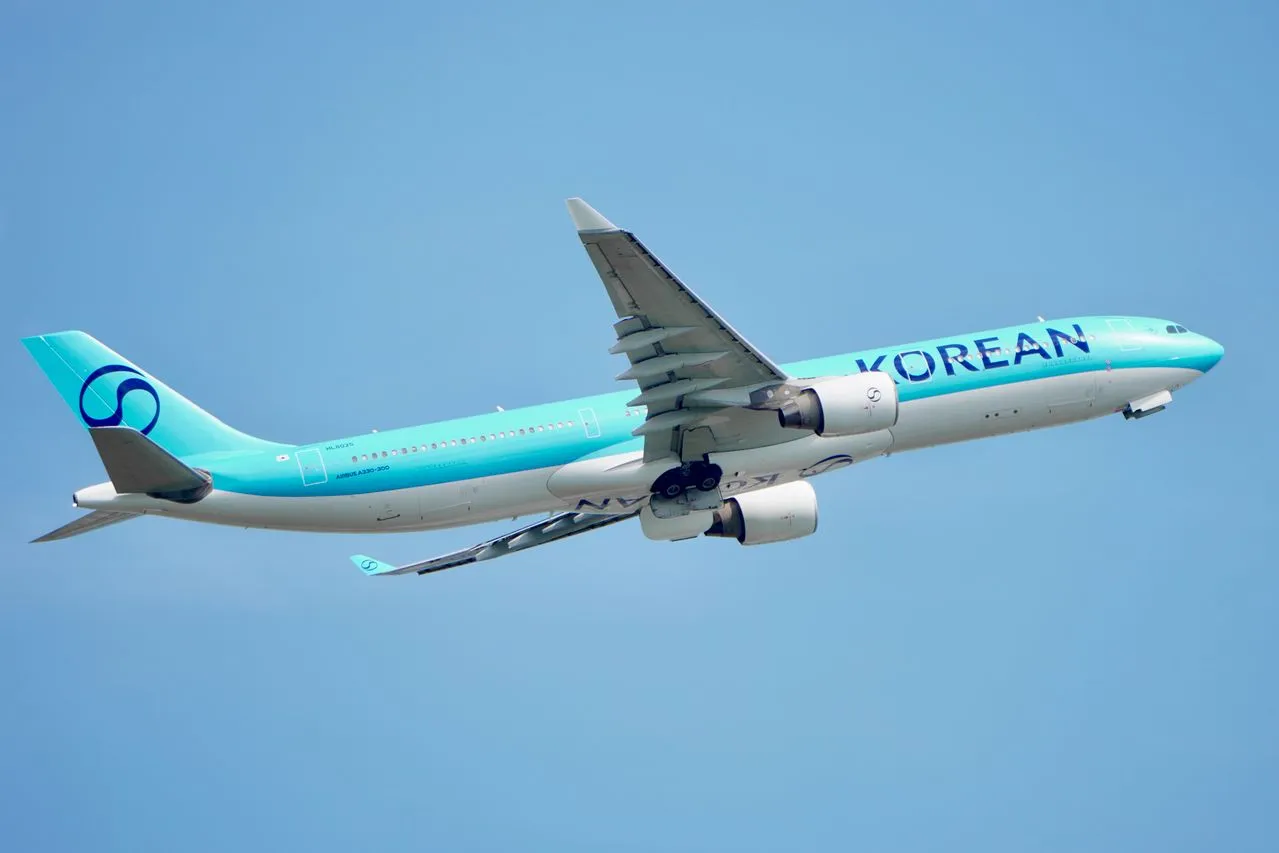
Korean Air to Launch Complimentary Starlink Wi-Fi on September 15
Korean Air is preparing to introduce a new era of in-flight connectivity with the launch of complimentary high-speed Wi-Fi powered by Starlink beginning September 15. The initiative will initially be available on a limited number of newly retrofitted aircraft before being progressively expanded across the airline’s in-service fleet.
The new connectivity service is designed to give passengers a significantly faster and more reliable internet experience while traveling at cruising altitude. With Starlink technology, travelers will be able to remain connected throughout their journeys, using the internet for activities such as streaming high-definition entertainment, browsing websites, working with cloud-based applications and playing online games.
The introduction represents a major step in Korean Air’s ongoing effort to modernize the passenger experience and upgrade its aircraft fleet. The airline expects the Starlink rollout to continue over the coming years, with the goal of extending the technology across its in-service fleet by the end of 2027.
Service to Begin With Four Widebody Aircraft
Korean Air’s Starlink service will initially launch on four newly retrofitted widebody aircraft. The initial group consists of three Airbus A350-900 aircraft and one Boeing 777-300ER.
These aircraft are expected to operate across a diverse selection of routes, allowing passengers in several international markets to experience the new connectivity service.
The aircraft equipped with Starlink will be deployed on medium- and long-haul routes connecting destinations in the Americas, Europe and Southeast Asia. The aircraft will also be used on selected short-haul routes, giving passengers across different types of services an opportunity to access the new internet system.
The initial deployment is intended to serve as the first phase of a larger fleetwide transformation.
As additional aircraft undergo the necessary retrofit work, Korean Air plans to progressively expand Starlink connectivity to more aircraft. The airline’s current objective is to have Starlink available across its in-service fleet by the end of 2027.
High-Speed Connectivity at Cruising Altitude
Starlink is designed to provide broadband internet using a constellation of satellites operating in low Earth orbit.
For airline passengers, one of the most significant advantages of the system is the potential for a much more responsive internet experience than traditional in-flight connectivity systems can provide.
Korean Air says passengers using the new service will be able to engage in high-bandwidth activities that have traditionally been difficult or less practical during flights.
These activities include streaming high-definition video and music, browsing the internet, playing online games and accessing cloud-based applications.
For business travelers, reliable connectivity can be particularly valuable. Passengers may be able to access cloud services, work with online documents and remain connected to digital workflows while traveling between destinations.
For leisure travelers, the service can provide greater freedom to stream entertainment, browse social platforms and access online services during a flight.
The introduction of complimentary high-speed connectivity also changes the role of Wi-Fi as part of the overall passenger experience. Rather than treating internet access primarily as an optional paid service, Korean Air is positioning Starlink connectivity as a feature that can become part of the standard travel experience on equipped aircraft.
Complimentary Wi-Fi for Passengers
A key element of Korean Air’s announcement is that the new Starlink-powered service will be offered to passengers at no additional charge.
Complimentary high-speed Wi-Fi could become an increasingly important factor in how passengers evaluate airline services, particularly as travelers become accustomed to fast internet connectivity in homes, workplaces and public spaces.
Passengers increasingly expect to be able to remain connected while traveling. The ability to continue using online services during a flight can help reduce the disruption associated with air travel, particularly for customers who need to work or communicate while in transit.
By introducing complimentary Starlink connectivity, Korean Air is seeking to provide passengers with a more seamless digital experience from the ground to the air.
Streaming and Cloud Applications
The technical capabilities of Starlink are expected to support a wider range of internet activities than conventional passenger connectivity systems.
High-definition video streaming is one of the most visible applications. Passengers will be able to use the connection for online entertainment, including streaming video and music.
The system will also support access to cloud-based applications.
Cloud connectivity has become increasingly important for modern businesses. Many companies rely on cloud platforms for document management, communication, collaboration, data access and other daily activities.
For business passengers, the ability to access these services while flying can help make travel time more productive.
Online gaming is another activity specifically identified as being supported by the new service. While gaming can require relatively responsive network performance, Starlink’s low-Earth-orbit satellite architecture is designed to provide the speed and responsiveness necessary for a broader range of online activities.
Passengers will also be able to browse the web and use other internet-based services during their journey.
Voice and Video Calls Remain Restricted
Despite the broader range of online activities supported by the new Wi-Fi system, Korean Air will continue to restrict voice and video calls.
The restriction is intended to help preserve cabin comfort for passengers.
Although faster internet connectivity makes it technically possible to support activities such as video conferencing and internet-based voice calls, unrestricted calling could create an uncomfortable environment for other travelers.
Aircraft cabins are shared spaces, and prolonged conversations can affect the experience of passengers seated nearby.
By allowing passengers to use high-speed internet while continuing to restrict voice and video calls, Korean Air is seeking to balance digital connectivity with the traditional expectations of the onboard passenger environment.
This approach allows travelers to work, stream and browse while helping maintain a quieter cabin atmosphere.
Existing Paid Wi-Fi During the Fleet Transition
The introduction of Starlink will take place gradually rather than across the entire Korean Air fleet at once.
Aircraft that have not yet undergone the required retrofit will continue to offer the airline’s existing paid Wi-Fi service during the transition period.
This means passengers should expect different connectivity experiences depending on the aircraft operating their flight.
As the Starlink installation program progresses, more aircraft will transition to the new high-speed system. Until then, the existing connectivity service will remain available on aircraft that have not yet been upgraded.
The phased approach allows Korean Air to continue providing internet access across its fleet while the airline works toward its longer-term objective of fleetwide Starlink connectivity.
Part of Korean Air’s Fleet Modernization Strategy
The Starlink rollout is taking place within a broader fleet modernization roadmap for Korean Air.
The airline is continuing to invest in newer aircraft and upgraded onboard technologies as it prepares for the next stage of its development.
The introduction of Starlink on the Airbus A350-900 and Boeing 777-300ER aircraft illustrates how connectivity upgrades can complement aircraft modernization.
Modern passengers increasingly evaluate an airline based not only on the aircraft type and physical cabin environment but also on the digital services available during a journey.
Fast and reliable internet can therefore form an important part of the overall onboard product.
Korean Air’s plan to expand the technology through the end of 2027 indicates that connectivity will remain a significant part of its modernization strategy.
A Milestone Ahead of the Merger
The launch also comes at an important point in Korean Air’s corporate development as the airline prepares for its merger.
Korean Air described the introduction of Starlink as an initial milestone within its broader fleet modernization roadmap ahead of the merger.
The new connectivity platform can therefore be viewed as part of the airline’s effort to strengthen its passenger proposition as it moves toward the next phase of its operations.
The aviation industry has increasingly focused on the role of technology in differentiating airline products. While aircraft seating, lounges, food and entertainment remain important, reliable onboard internet is becoming a fundamental component of the modern travel experience.
Korean Air’s adoption of Starlink places the airline among carriers looking to use next-generation satellite technology to improve connectivity.
First Full-Service Carrier in East Asia
Korean Air says the launch will establish it as the first full-service carrier in East Asia to introduce Starlink connectivity.
That distinction gives the September 15 launch additional significance within the regional aviation market.
East Asia is one of the world’s most important aviation regions, with major international hubs and extensive business and leisure travel networks. Introducing high-speed satellite connectivity could therefore provide Korean Air with an opportunity to strengthen its passenger experience across a wide range of routes.
The initial deployment on medium- and long-haul services is particularly relevant because passengers on longer flights typically have more time and greater incentive to use onboard connectivity.
The inclusion of selected short-haul flights also means that the benefits will not be limited exclusively to long-distance travelers.
Potential Benefits for Business Travelers
Business travelers are likely to be among the passengers who benefit most from the new service.
Reliable internet access can make it easier to maintain communication with colleagues and access online work systems while traveling. Cloud applications can allow passengers to continue working with documents and other digital resources without having to wait until they land.
For companies with employees who frequently travel internationally, connectivity can help make travel time more productive.
The ability to remain connected can also reduce the gap between departure and arrival. Instead of being completely disconnected for several hours, travelers can continue monitoring work activities and accessing online information during the flight.
Although voice and video calls will remain restricted, passengers will still have access to a wide range of web-based productivity tools.
A New Passenger Experience
For leisure travelers, the biggest change may be the ability to use high-speed internet for entertainment.
Passengers will be able to stream high-definition video and music rather than relying exclusively on traditional onboard entertainment systems.
The availability of online gaming and web browsing also provides passengers with more control over how they spend their time in the cabin.
This flexibility is increasingly important as consumers become accustomed to personalized digital entertainment.
Instead of selecting only from content provided by the airline, travelers with Starlink connectivity can potentially access their preferred online services during the flight.
Gradual Fleetwide Expansion
Korean Air’s September 15 launch is only the beginning of the airline’s Starlink program.
The company plans to progressively retrofit additional aircraft, with the ultimate objective of extending the service across its in-service fleet by the end of 2027.
The phased approach will allow the airline to introduce the technology progressively while maintaining its existing Wi-Fi service on aircraft awaiting installation.
As more aircraft receive the necessary equipment, the number of passengers with access to complimentary high-speed connectivity will increase.
The long-term fleetwide rollout could make Starlink an increasingly common part of the Korean Air passenger experience.
Korean Air’s planned September 15 introduction of complimentary Starlink-powered Wi-Fi represents a significant upgrade to the airline’s onboard connectivity offering.
Beginning with three Airbus A350-900s and one Boeing 777-300ER, the service will initially reach passengers on selected medium- and long-haul routes across the Americas, Europe and Southeast Asia, along with selected short-haul flights.
The technology will enable passengers to stream high-definition video and music, browse the internet, play online games and access cloud-based applications. At the same time, voice and video calls will remain restricted to support cabin comfort.
Aircraft that have not yet been retrofitted will continue to provide Korean Air’s existing paid Wi-Fi service throughout the transition.
The airline plans to expand Starlink connectivity progressively across its in-service fleet by the end of 2027. The initiative is positioned as part of Korean Air’s wider fleet modernization program and represents an important technology milestone ahead of its merger.
With passengers increasingly expecting reliable digital connectivity wherever they travel, Korean Air’s Starlink rollout could significantly reshape the onboard experience. By combining complimentary broadband access with its broader fleet modernization efforts, the airline is positioning connectivity as an important element of its future passenger service offering.
Source link: https://www.koreanair.com/