


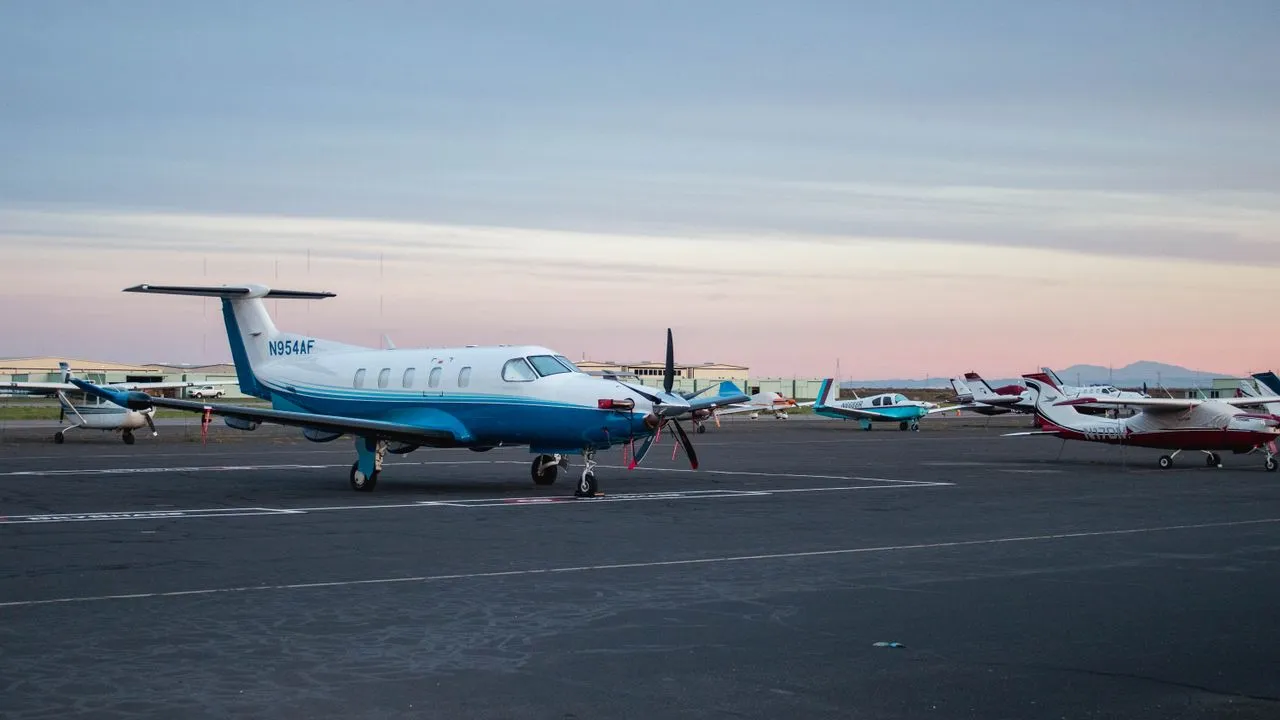
Reliable Robotics, a developer of autonomous aircraft systems, has secured $115 million in additional capital, expanding its previously announced Series D financing to $275 million amid increased investor demand. The latest investment brings the company’s valuation to more than $1 billion and supports its efforts to advance autonomous aviation technology, expand production capabilities and strengthen its engineering workforce.
The funding includes a $25 million term loan from Silicon Valley Bank. With the expanded Series D round, Reliable Robotics has raised more than $380 million in equity capital to date, reflecting continued investment in its approach to automating aircraft operations and improving aviation safety.
Nimble Partners led the latest funding round as a returning investor. New participants include Gideon Capital, RockCreek, Geek Ventures, Gold Hill Capital and Sparkwave Capital, alongside continued participation from returning investor Island Green Partners. Allen & Company supported the Series D fundraising process.
The new capital will help Reliable Robotics expand its aircraft fleet, increase production capacity and accelerate engineering recruitment. The company is also continuing to develop its autonomous aviation systems for commercial and military applications while progressing toward certification with the Federal Aviation Administration (FAA).
The expanded funding round represents a significant milestone for Reliable Robotics as it works to bring certified autonomous flight technology into broader aviation operations. The company is developing systems designed to automate aircraft functions while maintaining compatibility with existing aircraft and aviation infrastructure.
Reliable Robotics aims to improve aviation safety and accessibility by reducing the risks associated with human error and addressing some of the leading causes of aircraft accidents. Its technology is designed to support automated aircraft operations from departure at the airport gate through arrival at the destination, covering multiple phases of flight.
The company’s approach centers on integrating autonomous capabilities into existing aircraft rather than requiring a complete redesign of aviation infrastructure. This strategy is intended to support the adoption of automation across commercial aviation while avoiding changes to the National Airspace System for commercial operations.
The investment will enable Reliable Robotics to advance its technology development, expand its operating capabilities and increase the resources available for certification and production. The company also plans to grow its engineering team to support the technical requirements associated with developing and deploying autonomous flight systems.
Crossing the $1 billion valuation threshold highlights investor interest in the company’s technology and its potential applications across the aviation industry. However, the commercial deployment of autonomous aircraft will depend on continued technical development, regulatory approval and the ability to integrate the systems into established aviation operations.
At the center of Reliable Robotics’ technology portfolio is the Reliable Autonomy System (RAS), which is designed to enable automated aircraft operations using high-integrity navigation, full-authority flight controls and four-dimensional flight planning.
The system is being developed to automate key functions throughout an aircraft’s operating cycle. These include taxiing on the ground, takeoff, en-route flight management and landing. By integrating these capabilities, Reliable Robotics aims to establish a system that can manage aircraft operations across the entire flight process.
The company is also developing Reliable Radar, a technology intended to help prevent accidents associated with loss of control (LOC) and controlled flight into terrain (CFIT). These are among the major safety risks the company is seeking to address through its autonomous aviation platform.
Loss of control occurs when a flight crew loses the ability to maintain control of an aircraft, while controlled flight into terrain involves an aircraft unintentionally colliding with terrain or an obstacle while still under control. Reliable Robotics’ technology is designed to address these risks through automated flight control, navigation and operational planning capabilities.
The company’s systems are intended to work with existing certified aircraft and aviation infrastructure. This integration-focused approach could support the introduction of autonomous functions without requiring fundamental changes to the broader air traffic environment.
Reliable Robotics believes its technology can make aviation safer and more accessible by applying automation to aircraft operations that traditionally require direct pilot control. The development and deployment of such systems will require appropriate certification and validation to demonstrate that they meet the safety standards required for commercial aviation.
Reliable Robotics is building relationships across the aviation ecosystem, including aircraft original equipment manufacturers (OEMs), avionics manufacturers and aircraft operators. These partnerships are intended to support the integration of autonomous systems into existing aviation platforms and operating environments.
The company’s Reliable Autonomy System has potential applications in both commercial and military aviation. Its dual-use design allows the technology to be developed for different operating requirements while maintaining a focus on safety and automated flight capabilities.
Reliable Robotics has secured contracts with multiple branches of the United States military and has completed several military airworthiness review processes with the U.S. Air Force. These activities represent part of the company’s work to evaluate its autonomous aviation technology for military applications.
Military aviation can involve operational requirements that differ from those encountered in commercial services. Developing technology for both markets gives Reliable Robotics opportunities to pursue applications across different aircraft operations, although each use case remains subject to its applicable technical and regulatory requirements.
The company’s participation in government-supported aviation initiatives also reflects its efforts to move autonomous aircraft technology toward practical operations. These programs can provide opportunities to evaluate emerging aviation systems and establish experience with their integration into existing airspace environments.
Reliable Robotics’ work across commercial and military markets forms part of its broader strategy to advance autonomous aircraft systems while building relationships with organizations that support aircraft manufacturing, avionics development and flight operations.
Reliable Robotics was recently selected for the Federal Aviation Administration’s Advanced Air Mobility Integration Pilot Program. The selection enables the company to conduct pre-certification operations within the National Airspace System, with plans to deliver cargo to small and rural communities across New Mexico and Colorado.
The program provides an opportunity to evaluate autonomous aviation technology in practical operating environments before the completion of full commercial certification. Cargo operations serving smaller and rural communities are a potential application for autonomous aircraft, particularly where dependable air connections can support the movement of goods.
Reliable Robotics’ participation will allow it to conduct the specified operations as it continues working toward certification. These activities are part of the company’s efforts to demonstrate how autonomous systems can operate within the existing aviation environment.
Cargo transportation is an important area of interest for autonomous aviation developers because aircraft automation could potentially support a range of logistics operations. However, the effectiveness of such services will depend on factors including aircraft capabilities, regulatory requirements, operational reliability and the needs of the communities being served.
For Reliable Robotics, the FAA program complements its wider certification work and provides a pathway for gaining operational experience while developing its autonomous flight platform.
Reliable Robotics is pursuing FAA certification of its Reliable Autonomy System for commercial operations on the Cessna 208B Grand Caravan. The aircraft is the platform the company is using to advance its efforts to introduce automated flight capabilities into commercial aviation.
According to the company, the RAS is the first system designed to enable full gate-to-gate automated aircraft operation that is pursuing FAA certification. Reliable Robotics also reports that it has the only FAA-accepted certification plan, means of compliance and closed issue papers for continuous autopilot engagement.
These certification activities are important because autonomous flight systems must demonstrate that their design, functionality and operating procedures satisfy the applicable aviation safety requirements. Certification involves addressing technical questions and establishing evidence that a system can perform its intended functions safely.
The RAS is designed to combine high-integrity navigation, full-authority flight controls and four-dimensional flight planning. Together, these capabilities are intended to support automated operations across multiple stages of a flight.
The planned functions include automatic taxiing, automated takeoff, en-route flight management and automatic landing. Integrating these capabilities into a single system is central to the company’s goal of enabling aircraft to operate autonomously from gate to gate.
Reliable Robotics intends to use existing aviation infrastructure for these operations, potentially reducing the need for changes to established airport and airspace systems. The company’s certification progress remains a key step toward determining when and how the technology can be used in commercial services.
Alongside the expanded Series D financing, Reliable Robotics is opening two new offices in Seattle, Washington, and San Diego, California. The new locations will complement its existing operations in Mountain View and San Martin, California, and Albuquerque, New Mexico.
The expansion is intended to support the company’s recruitment plans and provide additional capacity for engineering development. Reliable Robotics has recently increased its workforce to more than 250 employees and says it is hiring aggressively across its office locations.
Seattle will serve as a center of excellence for the company’s radar program. Establishing a dedicated engineering focus for this technology is expected to support further development of Reliable Radar, which forms part of the company’s wider efforts to improve aircraft safety.
The additional offices will also give Reliable Robotics a broader operational footprint as it scales its engineering activities. Building a larger team is important to the company’s plans to advance autonomous systems, address certification requirements and expand its production capabilities.
The company expects the new funding to support the expansion of its aircraft fleet and production facilities alongside workforce growth. These investments are intended to strengthen its ability to develop and prepare its technology for future deployment.
The additional $115 million marks another step in Reliable Robotics’ efforts to commercialize autonomous aircraft systems. The expanded Series D round now totals $275 million, while the company has raised more than $380 million in equity capital over time.
The latest financing provides resources for engineering, production and fleet expansion as the company continues its work with the FAA and pursues opportunities across commercial and military aviation.
Reliable Robotics’ strategy combines autonomous flight technology, aircraft integration, safety-focused systems development and regulatory certification. Its work on the Cessna 208B Grand Caravan, participation in the FAA’s Advanced Air Mobility Integration Pilot Program and expansion into new engineering locations are central elements of that strategy.
Although the company has reached a valuation of more than $1 billion, its long-term progress will depend on completing the necessary certification processes, demonstrating reliable performance and scaling its technology for operational use.
With additional capital, a growing workforce and a broader engineering presence, Reliable Robotics is preparing for the next phase of autonomous aviation development. The company’s immediate priorities include advancing FAA certification, expanding production capabilities and continuing to develop systems designed to automate aircraft operations while improving safety and access to air transportation.
Reliable Robotics is bringing certifiable autonomy to commercial and defense aviation. The company’s automation system is designed to work on any aircraft, in any airspace, and to directly address the most common causes of aviation incidents. Reliable’s vision is to transform the way we move goods and people around the planet with safer, more affordable and more scalable air transportation. The company is headquartered in Mountain View, CA and has a distributed global workforce.