


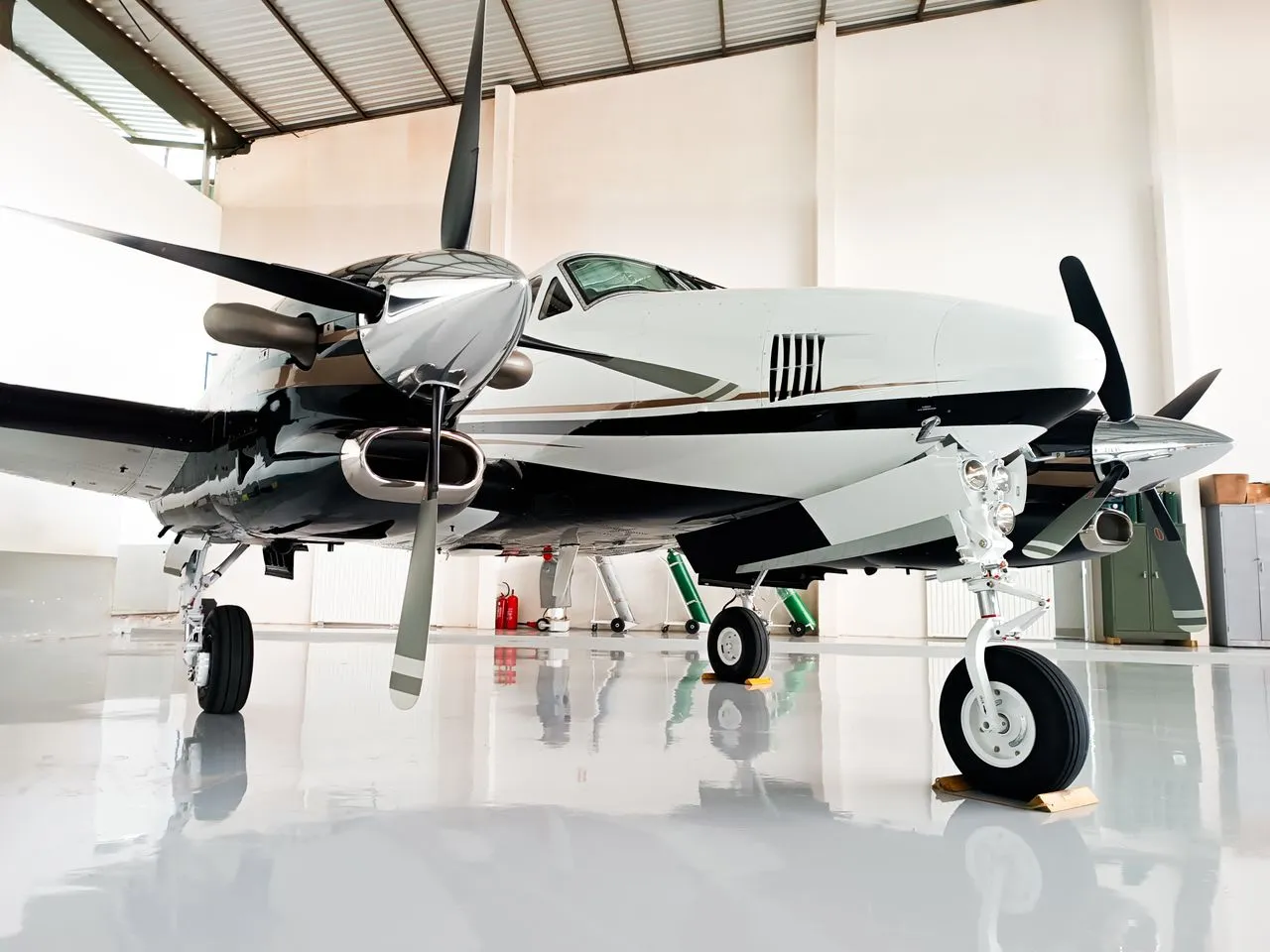
Cirrus Aircraft is celebrating the 10th anniversary of its Vision Jet, highlighting a decade of advancements in personal aviation, aircraft safety, connected technology, and customer support. The company marked the milestone at NBAA-BACE 2026, showcasing how the aircraft has evolved since receiving Federal Aviation Administration (FAA) type certification in 2016.
The Vision Jet has established a distinctive position in general aviation as the world’s best-selling jet in its category. It was the first single-engine personal jet equipped with the Cirrus Airframe Parachute System (CAPS), an integrated whole-airframe parachute designed to provide an additional safety option in emergencies. Over the past decade, the aircraft has developed from a new concept in personal jet travel into a versatile platform serving business transportation, special missions, supplemental lift, and commercial charter operations.
Cirrus has expanded the Vision Jet’s capabilities through successive generations of aircraft improvements while developing a broader ownership ecosystem. This includes flight training, maintenance, customer support, connected aircraft technology, pre-owned aircraft services, and fleet management solutions.
Since its certification in 2016, the Vision Jet has undergone three generations of development, with each iteration introducing improvements intended to enhance performance, usability, connectivity, and passenger comfort.
The aircraft introduced a different approach to private aviation by combining a single-engine design with a spacious cabin, advanced avionics, and safety features. Its configuration was developed to make jet travel more accessible to private owners and businesses seeking efficient regional transportation.
The original Vision Jet established the foundation for the aircraft’s continued development. The G2 Vision Jet subsequently introduced performance improvements, increased range, and cabin enhancements. These changes helped broaden the aircraft’s appeal among owners seeking a combination of operational efficiency and passenger comfort.
Cirrus followed with the G2+ Vision Jet, which brought expanded connectivity, improved takeoff performance, and Safe Return Emergency Autoland. The emergency autoland system is designed to help bring the aircraft to a landing in an emergency when the pilot is unable to continue flying.
The latest G3 Vision Jet builds on these developments with additional performance and technology enhancements. According to Cirrus, the aircraft can reach a maximum cruise speed of 317 knots true airspeed and operate at altitudes up to Flight Level 310, equivalent to approximately 31,000 feet.
The G3 model also introduced air traffic control datalink capabilities, Spectra LED wingtip lighting, and a revised six-plus-one seating configuration. The cabin is designed to accommodate six adults comfortably, with the additional seat providing further flexibility for passengers.
These developments demonstrate how Cirrus has continued to refine the Vision Jet while maintaining its emphasis on safety, ease of operation, and the passenger experience.
The Vision Jet has reached another significant milestone, with Cirrus reporting more than 800 deliveries worldwide. The company says the aircraft remains the best-selling jet in general aviation, reflecting continued demand for personal and regional business aviation solutions.
Its development over the past decade has also expanded the range of missions it can support. Although the aircraft was initially associated with personal transportation, it is increasingly used for business travel, specialized operations, supplemental fleet capacity, and commercial services.
Cirrus Chief Executive Officer Zean Nielsen said the Vision Jet has developed into a new category of business jet and changed expectations for regional travel.
He emphasized that the aircraft’s success is supported not only by continuous improvements to the jet itself but also by investment in training, service, connectivity, and customer support. According to Nielsen, this integrated approach enables customers to make greater use of their aircraft for business activities and travel between communities.
The company’s strategy reflects a broader view of aircraft ownership, in which operational support and technology are important complements to the aircraft’s performance and design.
As the global Vision Jet fleet has grown, operators have found additional applications for the aircraft beyond traditional personal transportation. Its combination of speed, operational flexibility, and access to a broad network of airports makes it suitable for a variety of regional missions.
Business transportation remains an important application, enabling companies and private operators to connect destinations without relying exclusively on scheduled airline services. The aircraft can also provide supplemental lift for organizations that need additional transportation capacity for specific routes or operational requirements.
The Vision Jet is also being used in special-mission activities and Part 135 commercial operations. Under Part 135 of the US Federal Aviation Regulations, qualifying operators can conduct certain on-demand and commuter air transportation services. The aircraft’s growing presence in professional aviation demonstrates its potential to complement existing fleets and support shorter regional journeys.
Another important application is organ transportation, where the ability to move quickly between locations can be critical. Indiana Donor Network, the federally designated organ procurement organization serving Indiana, operates TxJet, described by the organization as the nation’s first nonprofit organ transplant aviation program.
TxJet uses the Vision Jet to transport donated organs and surgical recovery teams between donor and transplant hospitals across the region. By connecting hospitals through aviation, the program helps move medical teams and organs to locations where they are needed.
Steven Johnson, Chief Operating Officer of Indiana Donor Network, explained that time is a critical consideration in organ recovery and transplantation. He said the Vision Jet provides TxJet with a fast and efficient means of moving organs and recovery teams while allowing the organization to reach community airports closer to the hospitals and communities it serves.
The aircraft’s flexibility can help reduce the challenges associated with regional transportation, particularly when teams must travel between multiple locations within a limited period.
The use of the Vision Jet in organ transportation illustrates how personal aviation technology can support specialized public-service missions. It also highlights the importance of airport accessibility and operational flexibility when transporting people and time-sensitive cargo.
Cirrus is extending its Vision Jet strategy beyond aircraft manufacturing by expanding the services and technologies available to owners and professional operators. These offerings are intended to simplify ownership, improve aircraft availability, and help customers manage the operational requirements associated with flying a jet.
The company’s support ecosystem includes factory-direct maintenance and service, pilot training, recurrent training programs, instrument proficiency checks, and a global network of authorized training and maintenance centers.
For Vision Jet pilots, Cirrus provides factory-direct type-rating training at its Vision Center in Knoxville, Tennessee. Recurrent type training and instrument proficiency checks are also available at Cirrus Scottsdale, expanding access to training services for existing operators.
The Cirrus Authorized Network of Training and Maintenance Centers provides additional support for customers around the world. Through this network, owners can access relevant training and maintenance services intended to help them maintain aircraft readiness and operate in accordance with applicable requirements.
Training and maintenance are essential elements of aircraft ownership because they contribute to operational preparedness and help operators manage ongoing responsibilities. By integrating these services with its aircraft offerings, Cirrus aims to provide a more coordinated ownership experience.
The company’s approach also recognizes that different customers have different operational needs. Private owners, businesses, and commercial operators may require different combinations of training, maintenance planning, technical support, and fleet oversight.
Connected aircraft technology is another key component of Cirrus’ efforts to improve the ownership experience. The company is developing digital tools that give owners and operators greater visibility into aircraft information and help simplify the management of their aircraft.
Cirrus IQ is designed to provide connected aircraft information and insights that help customers monitor aircraft status and manage ownership responsibilities. Access to relevant aircraft information can support more informed decisions and make it easier for owners to understand their aircraft’s operational condition.
The platform forms part of a wider effort to connect aircraft technology with the services that support day-to-day operations. By making information more accessible, Cirrus aims to help customers manage aircraft ownership with greater visibility and convenience.
The company is also advancing maintenance and fleet operations management through JetStream. The program is designed to help coordinate scheduled and unscheduled maintenance, training, and other ownership requirements.
Maintenance management can be particularly important for operators who depend on aircraft availability to support business travel or commercial missions. Planned maintenance, timely service, and coordinated training can help operators organize their schedules and address operational requirements.
JetStream and Cirrus IQ serve complementary roles within the company’s broader support strategy. Cirrus IQ focuses on connected aircraft information and insights, while JetStream provides an ownership program designed to coordinate maintenance, training, and related operating needs.
Together, these services are intended to extend the Cirrus experience beyond the aircraft itself. The company’s strategy combines aircraft development with digital technology and support services to help customers manage the entire ownership process.
Cirrus’ Vision Jet ecosystem also includes Cirrus NEXT, which supports the company’s pre-owned aircraft offering. The program forms part of a broader approach to serving customers throughout different stages of aircraft ownership.
Pre-owned aircraft can provide another route for buyers seeking access to the Vision Jet platform. A structured ownership offering can help customers navigate the aircraft acquisition process while remaining connected to the manufacturer’s wider service and support network.
For existing owners, continued access to training, maintenance, connectivity, and fleet management services can remain important throughout the aircraft’s service life. For professional operators, these resources can also contribute to coordinating aircraft operations and managing the requirements of a working fleet.
By bringing aircraft, services, training, and digital tools together, Cirrus is positioning its support network as a central part of the Vision Jet proposition.
The Vision Jet’s first decade reflects the development of a personal jet into a platform with applications across several areas of aviation. Improvements to performance, cabin configuration, connectivity, and emergency systems have expanded the aircraft’s capabilities, while the growth of its global fleet has supported additional uses.
Its role in business transportation and commercial operations demonstrates how a personal jet can serve needs beyond individual travel. The use of the aircraft by TxJet for organ transportation also illustrates its potential in missions where rapid regional access and flexibility are especially important.
At the same time, Cirrus’ investment in maintenance, training, connected technology, and fleet support indicates that the company sees the customer experience as extending well beyond the point of aircraft delivery.
The combination of aircraft development and an integrated ownership ecosystem is intended to help private owners, businesses, and professional operators get more value from their aircraft while managing the practical demands of aviation.
As Cirrus celebrates 10 years of the Vision Jet, the company is highlighting both the aircraft’s evolution and the expanding range of services supporting its global customer base. Since its FAA certification in 2016, the jet has progressed through three generations, reached more than 800 worldwide deliveries, and established applications in personal travel, business aviation, special missions, and commercial operations.
The aircraft’s development has been accompanied by advances in safety features, performance, passenger accommodation, and connectivity. Alongside these improvements, Cirrus has continued to develop training programs, maintenance services, and digital management solutions intended to simplify ownership and support operational readiness.
At NBAA-BACE 2026, the anniversary provides an opportunity for the company to showcase the progress made over the past decade and its continuing focus on aircraft innovation and customer support.As the Vision Jet enters its second decade, Cirrus is building on the platform’s established position in general aviation while emphasizing the role of connected technology, specialized operations, and comprehensive ownership services. The company’s approach reflects its ambition to deliver not only an aircraft but also the broader resources needed to support customers throughout the ownership and operating experience.
Cirrus is the recognized global leader in personal aviation and the maker of the best-selling SR Series piston aircraft and the Vision Jet, the world’s first single-engine Personal Jet, and the recipient of the Robert J. Collier Trophy. Founded in 1984, the company has redefined aviation performance, comfort and safety with innovations like the Cirrus Airframe Parachute System (CAPS) – the first FAA-certified whole-airframe parachute safety system included as standard equipment on an aircraft. To date, worldwide flight time on Cirrus aircraft is over 19 million hours, and over 300 people have returned home safely to their families as a result of the inclusion of CAPS as a standard feature on all Cirrus aircraft. The company has seven locations in the United States, including Duluth, Minnesota; Grand Forks, North Dakota; Greater Dallas, Texas; Greater Phoenix, Arizona; Greater Orlando, Florida; Knoxville, Tennessee and Benton Harbor, Michigan.