

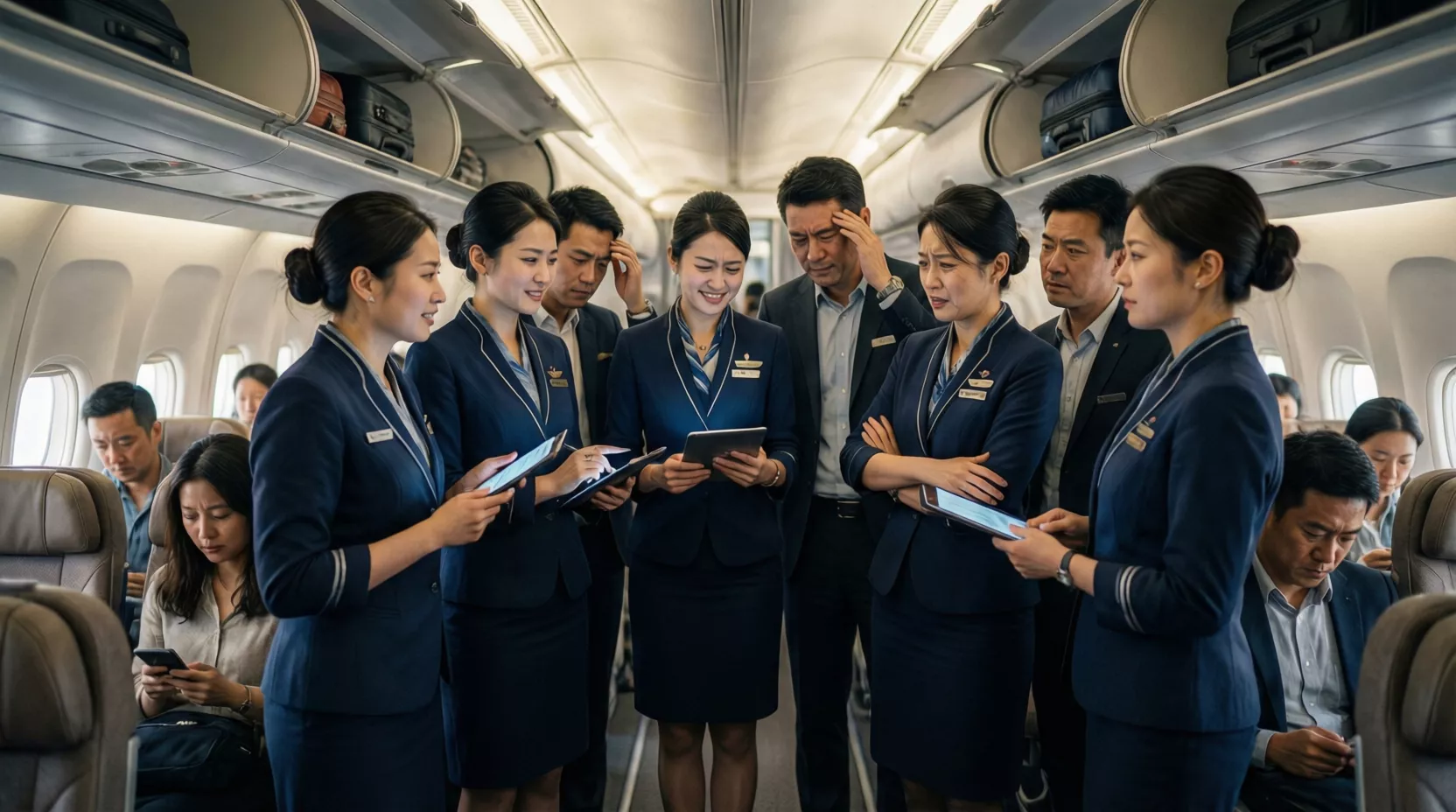
CUPE 8125 Praises WestJet’s Decision to Reverse Controversial 28-Inch-Pitch Seat Configuration, Calls for Greater Frontline Engagement
CUPE 8125, the union representing more than 4,700 cabin crew members at WestJet and Encore, has welcomed WestJet’s decision to halt the rollout of the newly implemented 28-inch-pitch seat configuration, a move that had sparked widespread concern among both employees and passengers. The union highlighted that this change, which reduced space between rows of seats, was universally unpopular and had created operational challenges as well as negatively impacting the passenger experience.
Alia Hussain, President of CUPE 8125’s WestJet Component, emphasized the toll that the denser seating arrangement had taken on flight attendants. “Our members have been telling us very clearly that these reconfigured aircraft led to increased tensions onboard, more frequent escalated interactions with guests, and significant physical and emotional strain,” said Hussain. She pointed out that the decision had placed frontline employees in the difficult position of managing frustrated passengers while coping with the physical demands of tighter cabins.
The union reminded the public that cabin crew are not responsible for corporate decisions, yet they were the ones on the frontlines experiencing the consequences. During the rollout of the new seating layout, flight attendants often found themselves learning about the changes at the same time as passengers. This lack of coordination not only created confusion but also heightened the risk of conflict and stress during flights.
Our members do not design aircraft or determine service models,” Hussain explained. “Their role is to deliver safety, service, and professionalism in the face of ever-changing operational demands directed by the company.” The union stressed that while flight attendants are committed to providing excellent service, they should not be subjected to undue pressure stemming from decisions made without their input.
CUPE 8125 has long advocated for decision-making processes that take frontline realities into account, recognizing that such engagement is essential to maintaining both safety and customer satisfaction. Hussain noted that ignoring the experiences of cabin crew can have direct repercussions on passengers, as well as the workforce itself. The reversal of the 28-inch-pitch seating, the union believes, demonstrates the importance of involving frontline employees in discussions about operational changes that directly affect their work environment.
As negotiations continue between CUPE 8125 and WestJet, the union reiterated its commitment to advocating for fair and safe working conditions for flight attendants. Hussain expressed hope that the decision to pause the new seat configuration signals a shift toward more collaborative dialogue between management and the workforce. “When frontline realities are taken seriously, everyone benefits: the operation, the guest, and the workforce,” she said.
The union also underscored the ongoing issue of unpaid work for cabin crew, calling on WestJet to address the matter at the bargaining table. “Canadians across the country agree that flight attendants should be paid for all their hours on the job,” Hussain stated. CUPE 8125 hopes that the company will take concrete steps to ensure fair compensation, alongside meaningful engagement with employees on operational decisions.
Looking forward, CUPE 8125 is urging WestJet to commit to ongoing consultation with cabin crew and their representatives before implementing any changes that impact working conditions, passenger interactions, or onboard safety. The union believes that integrating frontline perspectives into decision-making processes is not only fair but critical to sustaining long-term operational success and customer satisfaction.
Our goal remains clear,” Hussain concluded, “to work toward a travel experience where passengers feel valued, flight attendants are respected and supported, and operational decisions are made collaboratively with those who experience their effects firsthand.”