

Cessna Strengthens Piston Aircraft Lineup with Next-Generation Avionics and Engine Innovations
Textron Aviation Inc., has unveiled a comprehensive set of enhancements across its iconic Cessna piston aircraft lineup, reinforcing its long-standing commitment to innovation, pilot experience, and operational efficiency. The latest upgrades apply to some of the most recognized and widely used general aviation aircraft in the world, including the Cessna Skyhawk, Cessna Skylane, Cessna Turbo Skylane, and Cessna Turbo Stationair HD. With the integration of advanced avionics and propulsion system improvements, Textron Aviation is positioning its piston fleet for the next generation of pilots and operators.
At the heart of these upgrades is the introduction of the Garmin G1000 NXi System Release 7 avionics suite, along with the implementation of the Lycoming dual electronic ignition system (dual EIS). While dual EIS had previously been announced for the Cessna Skyhawk, the company has now confirmed that this advanced ignition technology will become standard across all new Cessna piston aircraft. These enhancements are scheduled to enter service between late 2026 and early 2027, marking a significant milestone in the evolution of the Cessna piston portfolio.
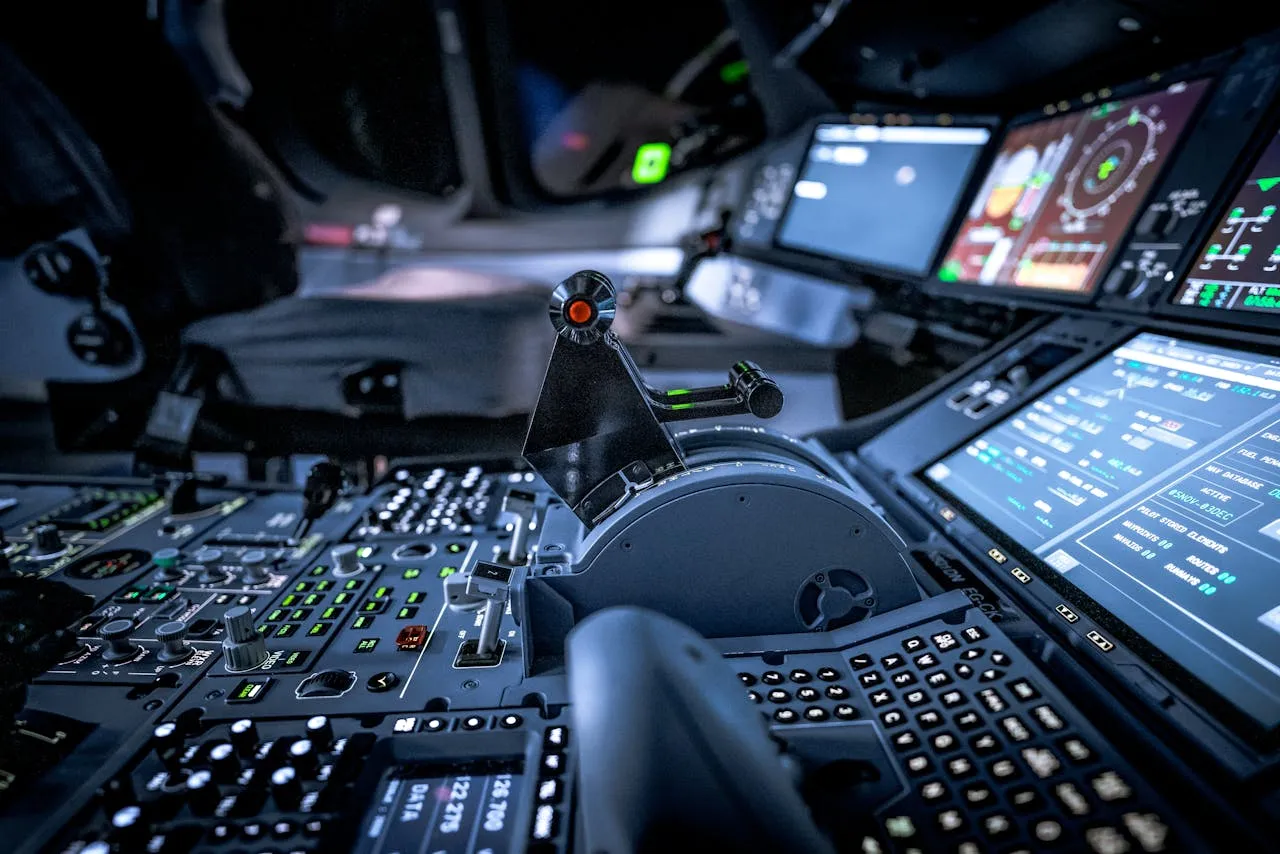
Advancing the Cockpit Experience with Garmin G1000 NXi System Release 7
The Garmin G1000 NXi has long been regarded as one of the most capable and widely adopted integrated flight decks in general aviation. With the rollout of System Release 7, Textron Aviation is delivering a new level of sophistication and functionality to pilots operating its high-wing aircraft.
One of the most notable features introduced in this update is Garmin Smart Glide, an automated emergency assistance tool designed to support pilots during engine-out scenarios. In the event of an unexpected loss of engine power, Smart Glide can automatically identify the most suitable landing site within range and guide the aircraft toward it. This feature not only reduces pilot workload during high-stress situations but also enhances safety by providing clear, actionable guidance when time is critical.
In addition to Smart Glide, the avionics upgrade includes the Remote Wake capability, which allows pilots and operators to power up the aircraft’s avionics systems from outside the cockpit. This functionality is particularly valuable for pre-flight planning, enabling users to review flight plans, update navigation databases, and perform system checks without physically entering the aircraft. Maintenance personnel also benefit from this feature, as it facilitates diagnostics and inspections more efficiently.
Beyond these headline features, System Release 7 introduces a range of incremental improvements aimed at enhancing situational awareness, navigation precision, and overall usability. These include refined interface elements, improved system responsiveness, and expanded integration with modern flight planning tools. Together, these upgrades contribute to a more intuitive and seamless flying experience, aligning with the expectations of today’s pilots.
Modernizing Engine Performance with Dual Electronic Ignition System
Complementing the avionics enhancements is the widespread adoption of the Lycoming dual electronic ignition system across the Cessna piston lineup. This system represents a significant departure from the traditional dual magneto ignition setup that has been a mainstay in piston aircraft for decades.
The dual EIS leverages solid-state electronic technology to deliver more precise and reliable ignition timing. By reducing the number of mechanical components and moving parts, the system enhances overall durability and decreases the likelihood of wear-related failures. This translates into improved reliability and reduced maintenance requirements, both of which are critical considerations for aircraft owners and operators.
Another key advantage of the dual electronic ignition system is its impact on operational efficiency. More accurate ignition timing can lead to better fuel combustion, which in turn may contribute to improved fuel efficiency and smoother engine operation. While the exact performance gains may vary depending on operating conditions, the overall effect is a more refined and cost-effective powerplant.
Maintenance intervals are also expected to improve with the adoption of dual EIS. Traditional magneto systems require periodic inspections and overhauls due to their mechanical nature. In contrast, the solid-state design of electronic ignition systems reduces the frequency and complexity of these maintenance tasks, helping operators lower long-term ownership costs.
Strengthening the Value Proposition of the Cessna Piston Fleet
The introduction of these enhancements underscores Textron Aviation’s ongoing investment in its piston aircraft segment, which continues to play a vital role in pilot training, personal aviation, and utility operations worldwide. The Cessna Skyhawk, in particular, remains one of the most widely used training aircraft globally, while the Skylane and Turbo Stationair HD are valued for their versatility, payload capacity, and performance in a variety of mission profiles.
By integrating advanced avionics and modern engine technologies, Textron Aviation is ensuring that these aircraft remain competitive in an increasingly technology-driven aviation landscape. The upgrades not only enhance safety and performance but also align with the expectations of a new generation of pilots who are accustomed to digital interfaces and automated systems.
Lannie O’Bannion, senior vice president of Sales & Marketing at Textron Aviation, emphasized the company’s forward-looking approach in announcing the updates. He noted that the integration of Garmin System Release 7 and the dual electronic ignition system provides pilots with advanced tools that simplify operations, improve situational awareness, and deliver a more modern and intuitive flying experience.
Enhancing Safety and Operational Confidence
Safety remains a central focus of the latest enhancements, particularly with the inclusion of features like Garmin Smart Glide. Engine failure, while relatively rare, is one of the most critical emergencies a pilot can face. By automating key decision-making processes and providing clear guidance, Smart Glide helps mitigate the risks associated with such घटनarios.
The improved situational awareness offered by the updated avionics suite also contributes to safer operations under normal flight conditions. Enhanced navigation capabilities, clearer displays, and better integration of flight data enable pilots to make more informed decisions throughout their journey.
Meanwhile, the reliability gains associated with the dual electronic ignition system further support safe operations by reducing the likelihood of engine-related issues. Together, these advancements create a more robust and dependable aircraft platform.
Supporting Training and Next-Generation Pilots
The Cessna piston fleet plays a crucial role in training the next generation of pilots, and the latest upgrades are particularly relevant in this context. Modern avionics systems like the G1000 NXi are increasingly becoming the standard in training environments, as they mirror the technology found in more advanced aircraft.
By equipping its piston aircraft with the latest avionics and system upgrades, Textron Aviation is helping flight schools provide students with a more relevant and future-ready training experience. Features such as Remote Wake and enhanced user interfaces also streamline training operations, allowing instructors and students to focus more on learning and less on system management.
Timeline and Market Impact
Textron Aviation has indicated that aircraft equipped with these new enhancements will begin entering service between late 2026 and early 2027. This phased rollout allows the company to integrate the new technologies seamlessly into its production processes while ensuring that customers receive fully optimized aircraft.
The timing of these upgrades reflects broader trends in the general aviation industry, where demand for advanced avionics, improved efficiency, and lower operating costs continues to grow. By proactively addressing these needs, Textron Aviation is reinforcing its leadership position in the piston aircraft market.
A Continued Commitment to Innovation
The latest enhancements to the Cessna piston lineup are part of a broader strategy by Textron Aviation to continuously evolve its product offerings in response to changing market dynamics and technological advancements. While piston aircraft may represent the entry point into aviation for many pilots, they are also a critical segment that demands ongoing innovation.
Through the integration of cutting-edge avionics and modern engine systems, Textron Aviation is demonstrating that even legacy platforms can benefit from meaningful technological upgrades. This approach not only extends the lifecycle of existing aircraft models but also ensures that they remain relevant and valuable in the years to come.
The introduction of Garmin G1000 NXi System Release 7 and the Lycoming dual electronic ignition system marks a significant step forward for the Cessna piston fleet. These enhancements deliver tangible benefits in terms of safety, efficiency, reliability, and user experience, reinforcing the enduring appeal of Cessna aircraft.
As these upgraded models begin to enter service in the coming years, pilots and operators can expect a more capable and modern flying experience. With a focus on innovation and a deep understanding of customer needs, Textron Aviation continues to set the standard for excellence in general aviation.
Source link: https://www.businesswire.com/