


ChargePoint, a global leader in electric vehicle (EV) charging solutions, and Powers Parts, a national distributor specializing in electric and advanced mobility components, have announced a strategic partnership aimed at accelerating transit electrification across North America. The collaboration is designed to simplify procurement, deployment, and long-term support for electric transit fleets, addressing one of the most critical challenges facing public transportation agencies today: the transition to reliable, scalable, and cost-effective electric infrastructure.
As transit agencies increasingly adopt zero-emission buses to meet sustainability goals and regulatory requirements, the need for integrated charging ecosystems, dependable service networks, and streamlined procurement channels has become more urgent. The partnership between ChargePoint and Powers Parts seeks to address these needs by combining ChargePoint’s advanced charging technology and software platform with Powers Parts’ established distribution relationships and expertise in transit fleet support.
According to ChargePoint, transit systems play a central role in the broader electrification of transportation, not only by reducing emissions but also by improving air quality and enhancing the rider experience in urban communities.
“Transit is critical to the broader electrification of transportation, delivering a healthier option for communities and transit riders, as well as a superior experience for drivers,” said Rick Wilmer, Chief Executive Officer of ChargePoint. “As the market continues to grow, it will need reliable charging infrastructure and support. Our partnership with Powers Parts expands our reach across the transit ecosystem, connecting their proven relationships with our scalable charging and telematics solutions.”
Wilmer emphasized that the combined capabilities of both companies will help transit agencies overcome operational challenges by ensuring consistent access to charging hardware, software, and maintenance services through a more streamlined and responsive supply chain.
Under the terms of the partnership, transit agencies operating E2 and ZX5 Phoenix electric buses will be able to purchase ChargePoint hardware, software, and related services directly through Powers Parts. This arrangement allows agencies to access a more simplified procurement pathway by leveraging Powers Parts’ existing distribution channels, which are already deeply integrated within the North American transit ecosystem.
The collaboration is expected to reduce complexity in procurement processes, shorten deployment timelines, and improve access to critical charging infrastructure components. For many transit agencies, procurement inefficiencies and fragmented vendor relationships have historically slowed electrification projects. By consolidating these steps, the partnership aims to accelerate the transition to electric fleets.
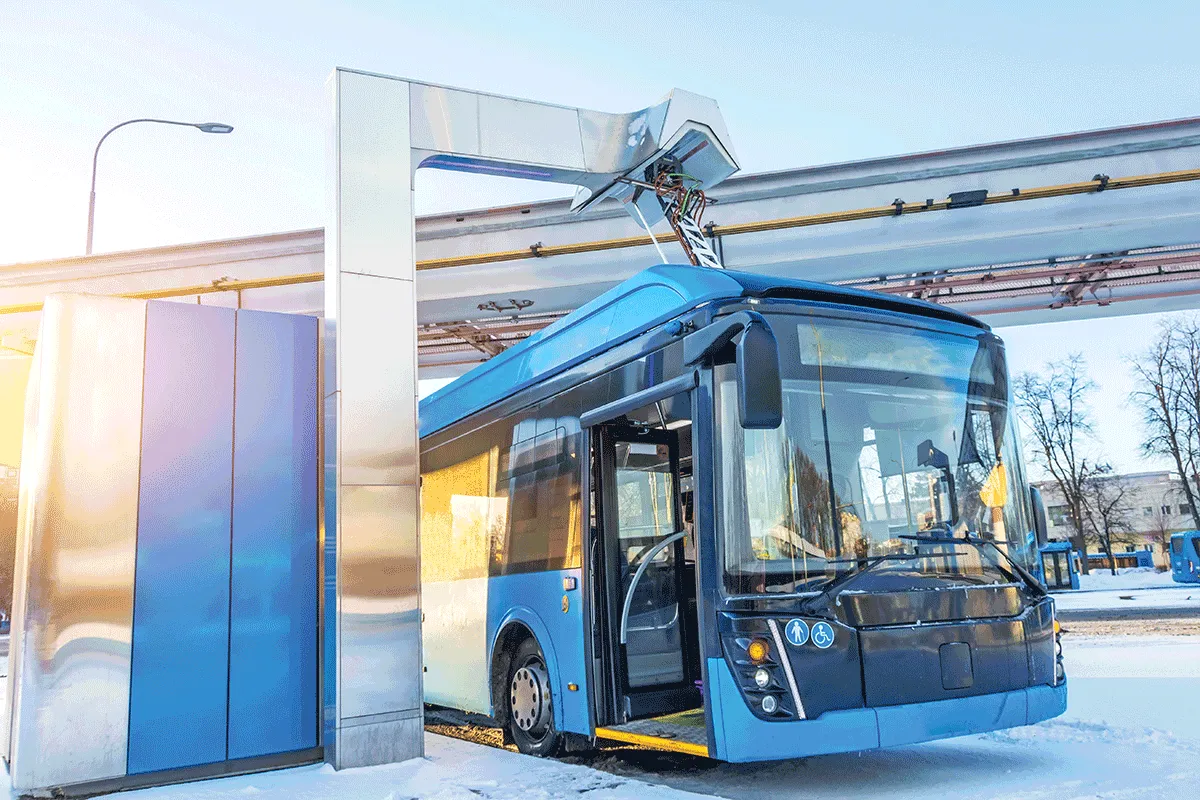
Together, ChargePoint and Powers Parts will provide transit operators with a comprehensive solution that includes DC fast charging infrastructure designed to maximize vehicle uptime and operational efficiency. This integrated approach is intended to ensure that electric buses remain in service for longer periods, reducing downtime and improving overall fleet productivity.
Powers Parts highlighted that its origins are rooted in solving supply chain and maintenance challenges for electric transit fleets, particularly in ensuring timely access to replacement parts and technical support. However, as the company expanded its relationships with transit agencies, it identified a broader set of operational needs extending beyond parts availability.
“We initially built Powers Parts to solve critical supply chain and replacement part challenges facing electric transit fleets,” the company noted. “As our relationships with agencies grew, it became increasingly clear that fleet uptime depended on much more than parts availability alone. Agencies needed support across charging infrastructure, telematics, diagnostics, and long-term fleet management.”
The company further explained that its partnership with ChargePoint represents a natural evolution of its role in the transit ecosystem. By combining infrastructure, software, and service capabilities, the two companies aim to deliver a more comprehensive operational support model for transit operators navigating the complexities of electrification.
This integrated approach is particularly important for agencies managing mixed fleets and transitioning gradually from diesel or hybrid buses to electric models. Without unified systems for charging management, diagnostics, and fleet monitoring, operators often face inefficiencies that can reduce the cost-effectiveness of electrification programs.
The partnership also addresses an existing gap in the market: the need for better service and support for transit agencies already operating electric buses such as the E2 and ZX5 Phoenix models. Many agencies currently rely on a combination of third-party vendors for charging infrastructure, maintenance, and fleet management, which can lead to inconsistent performance and limited system visibility.
By integrating ChargePoint’s technology platform with Powers Parts’ distribution and service network, the partnership aims to deliver more reliable and coordinated support for these fleets. This includes improved access to technical assistance, faster replacement part availability, and more effective system monitoring.
Transit agencies are expected to benefit from reduced downtime, improved maintenance scheduling, and enhanced visibility into fleet performance metrics. These improvements are particularly important for ensuring that electric buses meet operational expectations and maintain service reliability for daily commuters.
A key component of the ChargePoint offering is its advanced fleet management and telematics platform, which is designed to give operators comprehensive visibility into their electric and mixed-fuel fleets. The platform enables transit agencies to monitor vehicle performance, charging activity, and operational efficiency through a unified interface.
ChargePoint’s system integrates with a wide range of vehicle types and charging infrastructure, regardless of manufacturer, making it highly adaptable for agencies with diverse fleets. This interoperability is a significant advantage for transit operators who must manage multiple bus models and charging systems during the transition to full electrification.
The platform also provides real-time data analytics, including battery health insights, energy consumption trends, and predictive maintenance indicators. These features help operators optimize route planning, improve energy efficiency, and reduce total cost of ownership (TCO).
Importantly, ChargePoint’s telematics solution is designed to support mixed-fuel fleets, meaning it can be used alongside diesel and hybrid vehicles in addition to fully electric buses. This flexibility allows transit agencies to adopt electrification gradually without requiring a complete overhaul of existing fleet management systems.
Additionally, ChargePoint’s fleet software is compliant with the Open Charge Point Protocol (OCPP), enabling interoperability with third-party charging hardware. This ensures that transit agencies are not locked into a single vendor ecosystem and can maintain flexibility as their infrastructure needs evolve.
The collaboration between ChargePoint and Powers Parts reflects a broader industry trend toward building more scalable and interoperable EV ecosystems. As transit electrification accelerates, agencies are increasingly seeking solutions that reduce vendor complexity and improve system integration across vehicles, charging infrastructure, and operational software.
By combining hardware, software, and distribution capabilities, the partnership aims to create a more unified ecosystem that supports long-term scalability. This approach is expected to help transit agencies expand their electric fleets more efficiently while maintaining operational reliability.
The ability to scale infrastructure in line with fleet growth is particularly important for public transit systems that must balance budget constraints with sustainability commitments. Through this partnership, agencies are expected to gain access to a more predictable and structured pathway to electrification.
Transit electrification is a key component of broader decarbonization efforts across North America. Public transportation systems contribute significantly to urban emissions, and the shift to electric buses is seen as one of the most effective strategies for reducing greenhouse gas emissions and improving urban air quality.
The ChargePoint and Powers Parts partnership is positioned to support these environmental goals by making electrification more accessible and operationally feasible for transit agencies of all sizes. By reducing barriers to adoption, the collaboration is expected to accelerate the deployment of zero-emission buses across urban and regional transit networks.
The strategic partnership between ChargePoint and Powers Parts represents a significant step forward in simplifying and accelerating transit electrification across North America. By combining ChargePoint’s industry-leading charging infrastructure and telematics platform with Powers Parts’ established distribution network and transit expertise, the two companies aim to deliver a more integrated, efficient, and scalable solution for electric bus operators.
As transit agencies continue to transition toward zero-emission fleets, the need for reliable infrastructure, streamlined procurement, and comprehensive operational support will only grow. This collaboration directly addresses those needs, positioning both companies at the forefront of the evolving electric mobility landscape.
Source link: https://www.businesswire.com/