


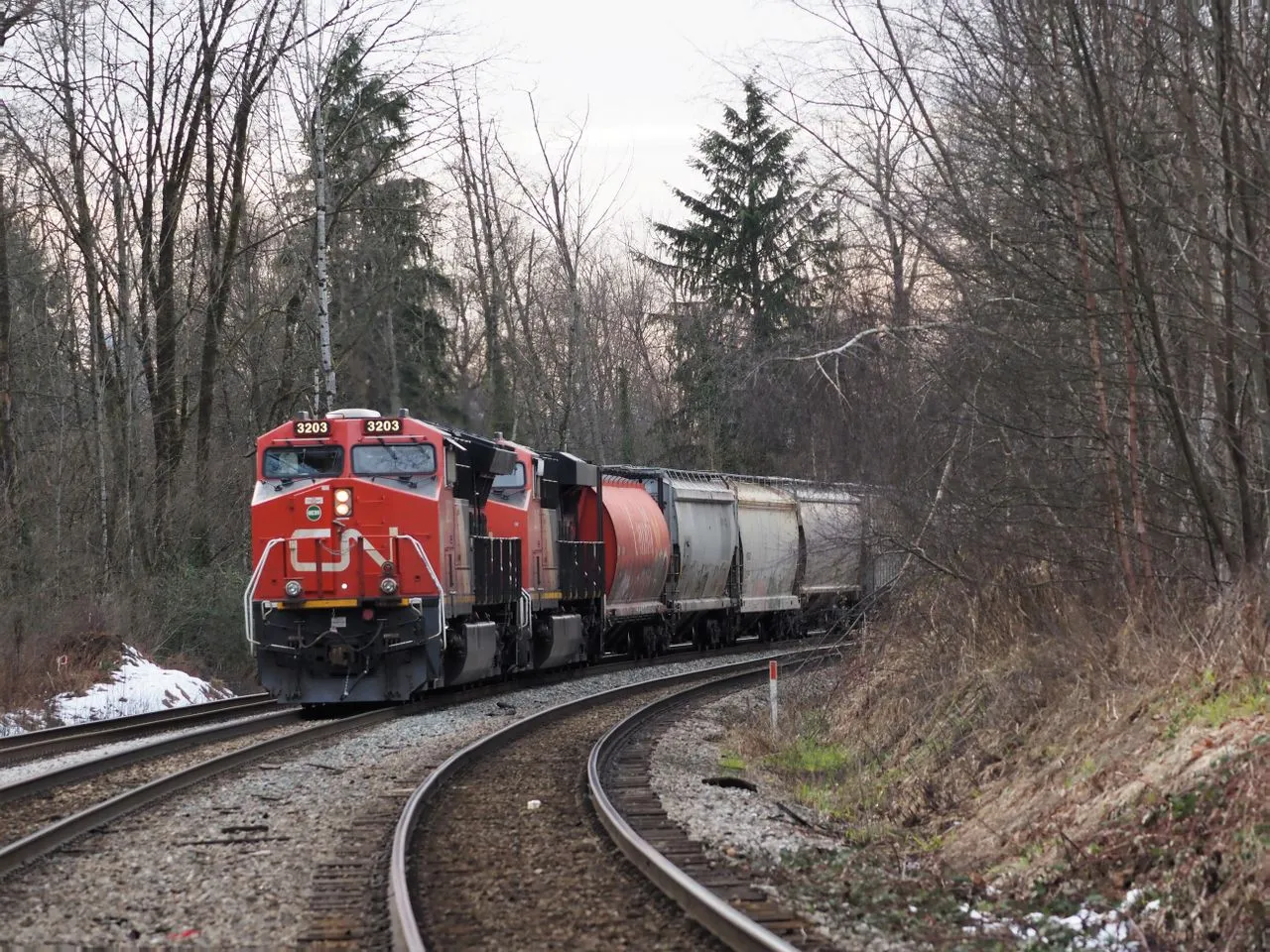
Canadian National Railway Company (CN) has released its 2026–2027 Winter Plan, detailing the operational measures, investments, technologies and workforce preparations the railway is putting in place to maintain safe and dependable freight service during the winter months.The plan, published on September 29, 2026, outlines how CN is preparing its railway network and resources for the operational challenges associated with severe winter weather. As North America’s most northerly Class I railway, CN operates across regions where extreme cold, snow and other winter conditions can affect railway infrastructure, equipment performance and network capacity.
Rather than treating winter preparation as a seasonal activity, CN incorporates cold-weather readiness into its broader year-round operating strategy. The company’s latest winter plan is centered on maintaining network fluidity, improving the reliability of railway equipment and ensuring that employees, resources and response capabilities are positioned to react quickly when weather conditions deteriorate. The approach is intended to help CN continue moving freight safely and efficiently while reducing the operational impact that extreme winter conditions can create across its network.
Winter weather presents a range of challenges for freight railroads. Extreme temperatures can affect mechanical systems, braking performance and locomotive operations, while snow and ice can create additional demands for track maintenance and snow-clearing operations. For CN, preparation begins well before the arrival of winter. The company says its teams work throughout the year to ensure that its people, equipment and network are prepared for changing weather conditions.
CN President and Chief Executive Officer Tracy Robinson emphasized that winter preparation is an integral part of the company’s approach to railway operations. Winter readiness is built into how we run the railway all year,” Robinson said. “We prepare our people, equipment and network well before winter arrives so that when conditions change, we can respond quickly, protect network fluidity and keep delivering safely and reliably for our customers.” The 2026–2027 plan reflects this approach by combining equipment investments, technology deployment, employee preparedness and strategically positioned resources.
One of the central elements of CN’s winter strategy is improving the performance and reliability of equipment used to support railway operations in challenging weather.CN is enhancing the reliability of its fleet of more than 100 distributed air braking cars through a predictive maintenance program. As part of the initiative, the company is replacing 21 engines and compressors while also implementing fleet-wide modifications intended to improve the performance of the air cars during periods of extreme cold.
Distributed air braking equipment plays an important role in railway operations, particularly when trains operate in demanding winter conditions. Maintaining reliable air pressure and braking performance is essential to safe and efficient train movements.
CN’s approach combines preventive and predictive maintenance with equipment modifications. By identifying potential issues and addressing them before they affect operations, the railway aims to strengthen equipment availability during periods when weather can already place additional pressure on the network.Since launching its technology program, CN has invested approximately $64 million in the initiative.
The investment demonstrates the company’s longer-term focus on using technology and equipment improvements to address the operational challenges associated with severe winter weather.
CN is also continuing to develop and deploy technology designed to improve braking performance during extreme cold.A key element of this work is high-flow brake system technology. The system uses multiple air sources along a train to help maintain stable brake pressure when air leakage increases in extremely cold conditions.
Brake system performance can become particularly important during winter because low temperatures can affect the behavior of railway equipment and increase the challenges associated with maintaining consistent air pressure throughout long freight trains.
CN has been working with this technology over a number of years and is seeking a permanent regulatory exemption for its use in Canada. The company says it has demonstrated the technology’s safety advantages through years of operation.
In the United States, CN is also operating with higher airflow between Chicago and Winnipeg under a two-year U.S. regulatory waiver.The deployment of higher-flow braking technology forms part of CN’s broader effort to strengthen the railway’s ability to maintain reliable operations when extreme cold creates additional technical and operational challenges.
By combining regulatory engagement with continued technology deployment, CN is seeking to build on the experience gained from its winter operations and improve its ability to manage cold-weather conditions across its network.
Technology and equipment are only part of CN’s winter preparedness strategy. The company is also focusing on its workforce and ensuring that employees and managers are positioned to respond when severe weather affects railway operations.
CN is strengthening its ability to respond to winter disruptions through rapid deployment teams, rules-qualified managers and the temporary redeployment of qualified employees.These resources can provide additional operational capacity when specific areas of the network experience severe weather or other disruptions.
Rapid deployment capabilities are particularly important during major winter events because the operational impact of snow, ice and extreme cold can vary significantly from one location to another. Having qualified personnel available to move into affected areas allows CN to respond more quickly as conditions change.
The company is also staging Mechanical and Engineering resources in strategic locations before winter arrives. This preparation is designed to ensure that specialized personnel and equipment are available where they are most needed.
CN’s winter plan also involves positioning physical resources throughout the railway network.The company is staging snow-clearing equipment, backup power, critical materials and locomotives at strategic locations ahead of the winter season.Snow and ice can affect tracks, switches, yards and other railway infrastructure. Having snow-removal equipment positioned in advance can help railway teams respond more rapidly when heavy snowfall occurs.
Backup power is another important component of the plan. Severe weather can disrupt power supplies or affect railway facilities, making alternative power resources valuable for maintaining essential operations.CN is also positioning critical materials in advance so that teams have access to necessary supplies when weather conditions make transportation and logistics more difficult.
Locomotives are similarly being staged strategically to provide additional operational flexibility when winter conditions affect normal train movements.Together, these preparations are intended to give CN greater resilience and response capacity throughout the winter season.
A major objective of the 2026–2027 Winter Plan is maintaining network fluidity.For a large freight railway, keeping trains moving efficiently is essential to maintaining service reliability. Winter weather can reduce available capacity and create delays, particularly when extreme conditions affect infrastructure, equipment or employee operations.
CN’s winter strategy therefore focuses not only on responding to individual weather events but also on maintaining the overall flow of traffic across the network.This includes preparing equipment, people and infrastructure before severe weather arrives, allowing the railway to respond more quickly and minimize potential disruptions.
Network fluidity is also important because CN’s operations are closely connected with customers, terminals, ports and other transportation providers. A disruption at one part of the supply chain can affect operations elsewhere.For this reason, CN’s winter preparations extend beyond the railway itself.
CN’s 2026–2027 Winter Plan emphasizes the importance of cooperation among the different participants in the freight transportation supply chain.The company says accurate customer forecasts, safe and prepared facilities, fluid traffic movements at terminals and ports, and close coordination among customers and supply chain partners all contribute to keeping goods moving during winter.
Customer forecasting is particularly important during periods when weather conditions may reduce available capacity. Accurate information about expected volumes can help CN and its customers coordinate freight movements and manage network resources more effectively.
Facilities also need to be prepared for winter conditions. Safe and accessible customer locations can help prevent unnecessary delays when trains arrive for loading, unloading or interchange activities.Terminals and ports are another important part of the overall network. Maintaining fluid traffic movements at these locations can help prevent congestion from spreading across the railway system.
The emphasis on collaboration reflects the interconnected nature of modern freight transportation. Railways do not operate independently of customers, ports, terminals and other supply chain participants. Their ability to maintain service during challenging weather depends partly on how effectively all parties coordinate their activities.
The release of the 2026–2027 Winter Plan comes as CN prepares for another season of potentially challenging operating conditions across its extensive network.
The company’s approach combines long-term investment with operational preparation. Equipment upgrades, predictive maintenance, braking technology, employee readiness and strategic resource positioning are being brought together as part of a comprehensive winter operating strategy.
CN’s investment in its distributed air braking fleet illustrates the longer-term nature of the company’s preparation. Rather than relying solely on short-term responses to winter disruptions, the railway is investing in equipment and technology designed to improve performance under extreme conditions.
At the same time, the company is maintaining a strong operational focus by positioning people, locomotives, snow-clearing equipment and critical materials before winter conditions arrive.
Winter conditions can put additional pressure on railway networks, but advance preparation can help operators respond more effectively when severe weather occurs.CN’s 2026–2027 Winter Plan is designed around that principle. By strengthening equipment reliability, advancing cold-weather technologies, preparing employees and strategically positioning resources, the railway is seeking to maintain safe and reliable service throughout the winter months.
The plan also recognizes that maintaining freight movement during winter is a shared responsibility. Customers, terminals, ports and other supply chain partners all have roles to play in maintaining efficient operations when weather conditions reduce available capacity.
As the winter season approaches, CN will rely on its combination of technology, workforce preparedness, infrastructure resources and supply chain coordination to manage the challenges presented by extreme cold and severe weather.The company’s latest plan reinforces its broader strategy of making winter readiness part of everyday railway operations rather than treating it as a temporary seasonal response.
With more than 100 distributed air braking cars supported by a predictive maintenance program, approximately $64 million invested in related technology, 21 engines and compressors being replaced, advanced braking technology being deployed and additional people and resources being positioned strategically, CN is entering the 2026–2027 winter season with a comprehensive set of measures aimed at protecting network fluidity.
Ultimately, the plan is focused on maintaining the movement of goods while prioritizing safety and operational reliability. Through continued investment, technology development, employee preparation and coordination with supply chain partners, CN aims to remain prepared to respond when winter conditions challenge its railway network.
CN powers the economy by safely transporting more than 300 million tons of natural resources, manufactured products, and finished goods throughout North America every year for its customers. With its nearly 20,000-mile rail network and related transportation services, CN connects Canada’s Eastern and Western coasts with the U.S. Midwest and the U.S. Gulf Coast, contributing to sustainable trade and the prosperity of the communities in which it operates since 1919.