

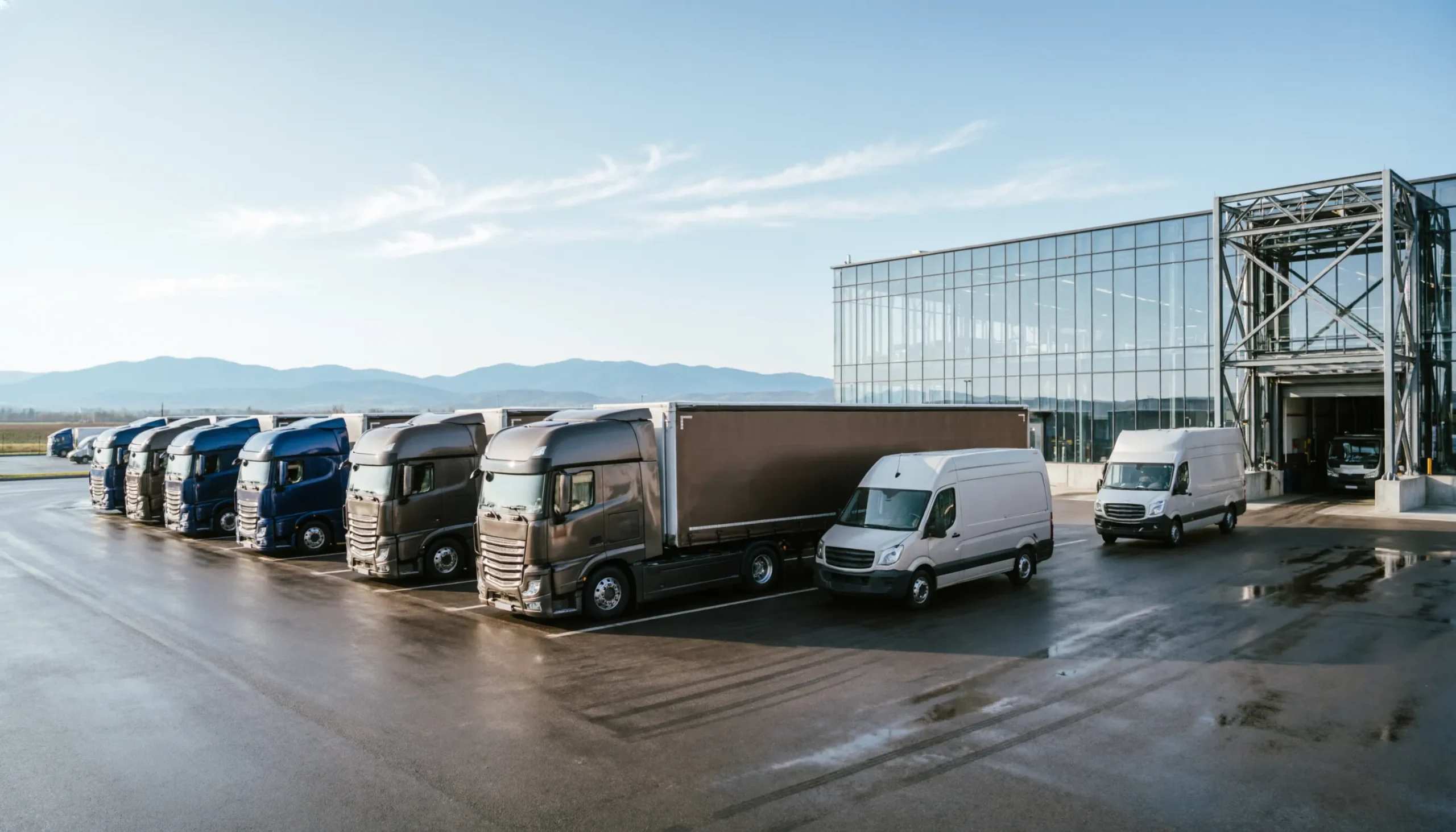
Commercial Vehicles Market Overview and Long-Term Growth Outlook
The global Commercial Vehicles Market was valued at USD 888.51 billion in 2025 and is projected to expand at a compound annual growth rate (CAGR) of 4.7% between 2025 and 2032, ultimately reaching nearly USD 1,225.43 billion by 2032. This steady expansion reflects the fundamental role commercial vehicles play in global trade, logistics, passenger mobility, construction, mining, and public transportation systems. As supply chains become increasingly complex and digitally integrated, demand for efficient, technologically advanced, and sustainable commercial transport solutions continues to grow across developed and emerging economies. The market is undergoing a structural transformation driven by fleet electrification, rising demand for light commercial vehicles (LCVs), last-mile delivery expansion, rapid urbanization, digital commerce growth, telematics integration, and mounting pressure to reduce emissions. These forces collectively position the Commercial Vehicles Market for sustained and diversified growth throughout the forecast period.
Light Commercial Vehicles Dominate Market Share in 2025
Based on vehicle type, light commercial vehicles captured the largest share of the global Commercial Vehicles Market in 2025. The dominance of LCVs is closely tied to the rapid expansion of e-commerce platforms, same-day delivery models, and decentralized warehousing strategies. As consumer expectations shift toward faster delivery times, logistics providers and small fleet operators are investing heavily in compact, fuel-efficient, and versatile delivery vans capable of navigating congested urban environments. The growth of light commercial vehicles in logistics has become one of the defining trends in the industry, as businesses seek cost-effective transportation solutions that balance payload capacity with operational efficiency. Small and medium-sized enterprises are increasingly adopting LCVs due to lower acquisition costs, easier financing, reduced fuel consumption, and simplified maintenance requirements compared to heavy-duty alternatives. The continued proliferation of micro-fulfillment centers and urban distribution hubs further reinforces the strategic importance of LCV fleets in modern logistics ecosystems.
Fleet Electrification Accelerates Industry Transformation
Fleet electrification is emerging as one of the most transformative trends reshaping the Commercial Vehicles Market. Electric vans, medium-duty trucks, and urban buses are gaining significant traction across North America, Europe, and parts of Asia Pacific. The global commercial vehicles market forecast from 2025 to 2032 highlights strong growth in electric truck adoption trends worldwide, supported by government subsidies, zero-emission mandates, carbon reduction targets, and the expansion of charging infrastructure. Many metropolitan areas have implemented low-emission zones, encouraging logistics providers and municipal authorities to transition toward electric fleets. In addition to regulatory support, the declining cost of batteries and improvements in vehicle range are making electric commercial vehicles increasingly competitive from a total cost of ownership perspective. Fleet operators are recognizing long-term savings associated with lower fuel expenses, reduced maintenance, and potential tax incentives, accelerating the shift toward zero-emission transport solutions.
North America Maintains Market Leadership
North America dominated the Commercial Vehicles Market in 2025, supported by a mature logistics ecosystem, robust freight volumes, and strong adoption of advanced vehicle technologies. The region benefits from extensive highway networks, cross-border trade activity, and well-established trucking operations that sustain consistent demand for medium- and heavy-duty trucks. High penetration of connected commercial vehicles, telematics systems, and advanced driver-assistance systems (ADAS) further reinforces regional leadership. Large fleet operators in the United States and Canada are early adopters of predictive maintenance tools, real-time tracking platforms, and AI-driven route optimization technologies. Additionally, strong replacement demand, favorable financing options, and supportive regulatory frameworks contribute to steady market growth. While electrification is advancing, North America also remains a key market for alternative fuel solutions, including hydrogen fuel cell trucks and renewable natural gas vehicles, broadening the technological mix within the region.
Logistics and Freight Transportation Lead End-User Demand
The logistics and freight transportation segment accounted for the largest end-user share in 2025. The continued impact of e-commerce on commercial vehicle demand has significantly reshaped freight distribution patterns. Companies are expanding regional distribution networks to meet time-sensitive shipping requirements, resulting in increased procurement of delivery vans, medium-duty trucks, and heavy-duty tractors. As supply chains become more regionalized and consumer-driven, transportation providers must maintain flexible fleets capable of adapting to fluctuating volumes and route complexities. The integration of digital tracking systems and automated dispatch platforms further enhances operational agility. Demand for commercial vehicles in this segment is also influenced by cross-border trade agreements, infrastructure investments, and industrial production cycles, all of which contribute to sustained vehicle utilization rates.
Heavy-Duty Trucks Remain Critical to Long-Haul Freight
Despite the rapid rise of LCVs and electrification, heavy-duty trucks continue to serve as the backbone of long-haul freight operations. In North America and parts of Europe, cross-border trade corridors and large-scale industrial activities sustain consistent demand for Class 8 trucks and other high-capacity freight vehicles. These vehicles are essential for transporting bulk goods, raw materials, and finished products across long distances efficiently. However, tightening emission regulations are compelling manufacturers to innovate aggressively. Development of zero-emission trucks, battery-electric long-haul platforms, and hydrogen-powered heavy-duty vehicles is accelerating. Major original equipment manufacturers are investing heavily in research and development to comply with environmental standards while preserving payload efficiency and performance. The transition toward cleaner heavy-duty transport is expected to gain momentum over the forecast period as infrastructure and policy frameworks mature.
Telematics, IoT, and AI Redefine Fleet Operations
The adoption of telematics, Internet of Things (IoT) technologies, and artificial intelligence is transforming commercial vehicle fleet management. Telematics-enabled fleets provide real-time insights into vehicle performance, fuel consumption, driver behavior, and maintenance needs. AI-powered analytics support predictive maintenance, reducing downtime and improving asset utilization. Route optimization software enhances fuel efficiency while minimizing delivery delays. Large logistics enterprises are increasingly leveraging data-driven decision-making to streamline operations and reduce operating costs. The integration of connected commercial vehicles also improves safety outcomes through collision avoidance systems, driver monitoring technologies, and automated emergency braking. As digital transformation continues to permeate the transportation industry, telematics and IoT adoption are expected to become standard features rather than optional upgrades in commercial fleets.
Growth in Buses and Coaches Driven by Public Transport Investments
The buses and coaches segment is experiencing steady growth, supported by rising public transportation investments and sustainability initiatives. Governments worldwide are prioritizing zero-emission public transport fleets to combat urban pollution and meet climate commitments. Electric buses are gaining widespread adoption in major cities across Asia Pacific and Europe, driven by policy incentives and environmental mandates. Urban mobility programs increasingly emphasize clean, efficient, and technology-enabled transport solutions. Municipal authorities are deploying electric buses equipped with advanced energy management systems and telematics platforms to enhance service reliability. This segment also benefits from infrastructure development projects, including dedicated bus lanes and smart city initiatives, which reinforce the role of commercial vehicles in sustainable urban mobility frameworks.
Last-Mile Delivery Emerges as a High-Growth Niche
Commercial vehicles for last-mile delivery represent one of the fastest-growing niches within the broader market. Rapid urbanization, digital commerce expansion, and evolving consumer expectations for rapid fulfillment have significantly increased demand for agile delivery solutions. Logistics providers are prioritizing compact, maneuverable, and increasingly electric delivery vans to operate efficiently in dense urban environments. The rise of same-day and next-day shipping models has intensified the need for optimized route planning and high vehicle availability. Electric last-mile vehicles offer additional advantages, including lower noise levels and compliance with city emission standards. As retailers continue to expand omnichannel strategies, last-mile delivery fleets are expected to expand correspondingly, reinforcing their central role in future market growth.
Asia Pacific to Record the Fastest Growth Rate
While North America leads in market share, Asia Pacific is projected to be the fastest-growing regional market throughout the forecast period. Rapid industrialization, infrastructure development, expanding manufacturing bases, and increasing e-commerce penetration are key growth drivers across countries such as China, India, and Southeast Asian nations. Government policies supporting electric vehicle adoption and domestic manufacturing further accelerate regional expansion. The combination of urban population growth and rising consumer spending stimulates demand for both freight and passenger commercial vehicles. As supply chain networks mature and technological adoption accelerates, Asia Pacific is expected to contribute significantly to overall global market expansion.
Market Segmentation Highlights Electric Transition and LCV Leadership
Overall, the Global Commercial Vehicles Market is increasingly defined by the growth of light commercial vehicles in logistics and the accelerating transition toward electrified fleets. The impact of e-commerce on commercial vehicle demand, combined with the expansion of last-mile delivery services, continues to shape procurement strategies among fleet operators. While heavy-duty trucks remain indispensable for industrial freight, electric truck adoption trends worldwide and the integration of telematics technologies are redefining performance benchmarks and operational standards. The convergence of sustainability objectives, digital transformation, and evolving consumer expectations positions the Commercial Vehicles Market at the forefront of global transportation innovation. As stakeholders navigate regulatory shifts and technological advancements, the industry is set to move steadily toward a connected, efficient, and zero-emission future.
Source Link:https://www.prnewswire.com/