


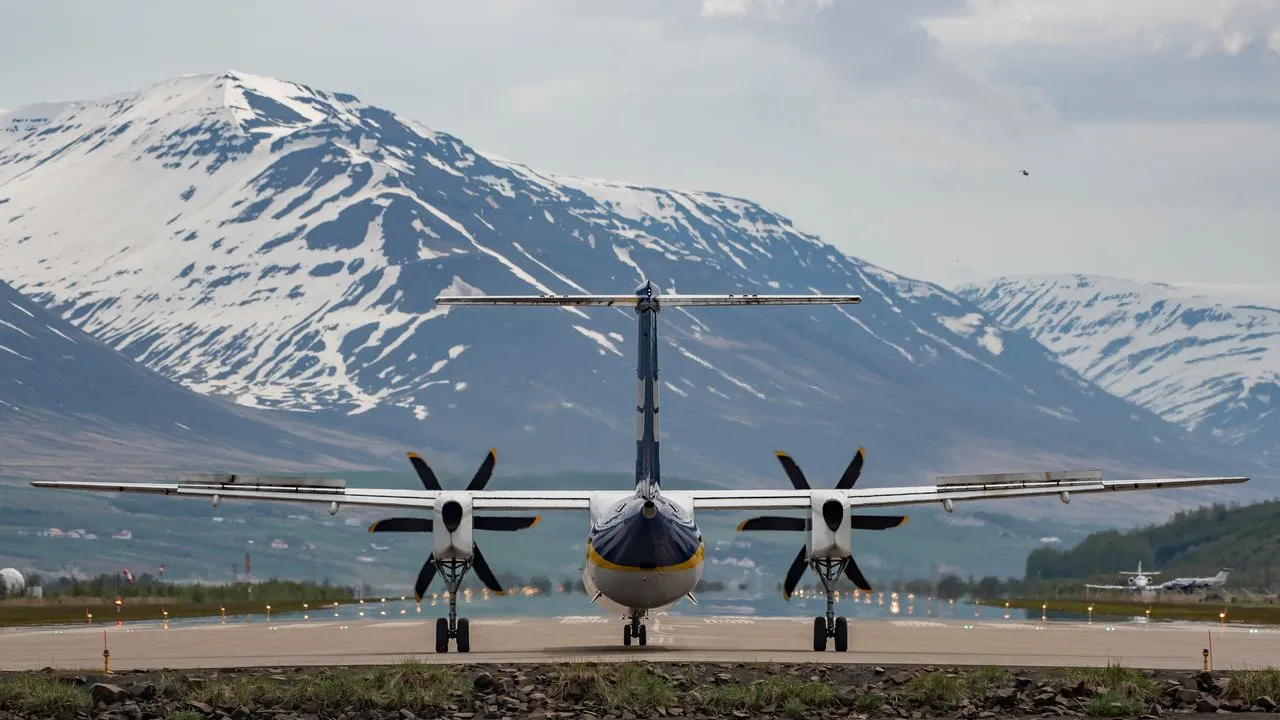
Deutsche Aircraft and Hexcel Corporation have announced a long-term industrial partnership and supply agreement focused on the development and integration of advanced composite materials for the D328eco®, the next-generation regional turboprop aircraft designed, certified, and industrialized in Europe. The agreement marks a significant milestone in the two companies’ shared ambition to advance sustainable aerospace manufacturing and strengthen Europe’s regional aviation ecosystem through deep industrial collaboration.
The partnership was formally signed at the ILA Berlin Air Show, held at the BDLI Pavilion, underscoring the importance of ILA as Germany’s premier aerospace exhibition and a central platform for international collaboration within the aviation and defense industries. The announcement highlights not only the strategic importance of the D328eco programme but also the growing emphasis on resilient, localized supply chains and sustainable aircraft development across Europe.
Under the terms of the agreement, Hexcel will work closely with Deutsche Aircraft to supply and integrate a range of advanced composite solutions into the D328eco airframe. These materials are specifically engineered to meet the aircraft programme’s demanding mechanical performance standards, stringent weight reduction targets, and increasingly important environmental requirements. The collaboration is designed to support both near-term aircraft performance goals and long-term sustainability objectives, particularly in reducing fuel consumption and lifecycle emissions.
The composite materials provided by Hexcel will be used in both primary and secondary aircraft structures. These structural applications are critical to aircraft design, as they require materials that can withstand high mechanical loads, repeated stress cycles, and harsh operating conditions while maintaining low weight. By incorporating advanced composites into these areas, the D328eco is expected to benefit from improved aerodynamic efficiency, reduced structural mass, and enhanced resistance to fatigue and corrosion compared to conventional metallic structures.
From an engineering perspective, the use of advanced composite technologies represents a key enabler for next-generation regional aircraft design. Lighter airframes contribute directly to improved fuel efficiency, lower operating costs, and reduced environmental impact. In addition, composites offer greater design flexibility, allowing engineers to optimize structural geometry and integrate multifunctional components that can improve overall aircraft performance and maintainability.
“This partnership with Deutsche Aircraft reflects Hexcel’s long-standing commitment to supporting innovative, sustainable aerospace programs in Europe,” said Lilian Braylé, President Aerospace Europe, Asia Pacific, Middle East, Africa & Industrial. She emphasized that the collaboration combines advanced materials science with strong industrial cooperation, helping to enable the development of regional aircraft designed to meet evolving efficiency and sustainability requirements in global aviation markets.
Braylé further noted that long-term partnerships of this nature are essential for addressing the complex challenges faced by modern aerospace programs. These include balancing performance demands with environmental regulations, ensuring supply chain resilience, and supporting scalable production for future aircraft demand. According to her, the D328eco programme represents an important opportunity to demonstrate how advanced composites can play a central role in shaping more efficient and sustainable regional aviation solutions.
The D328eco itself is a modernized evolution of the Dornier 328 turboprop platform, incorporating significant technological upgrades to improve operational efficiency and environmental performance. The aircraft features new-generation propulsion systems, advanced avionics, and optimized aerostructures designed to reduce fuel burn and emissions while maintaining the reliability and versatility expected from regional turboprop aircraft. It is intended to serve short-haul routes where efficiency, flexibility, and cost-effectiveness are critical for operators.
By integrating Hexcel’s composite technologies, the D328eco programme aims to enhance both certification readiness and industrial scalability. Composite materials play a crucial role in meeting certification requirements related to structural integrity, fatigue resistance, and long-term durability. At the same time, they support the transition toward more sustainable manufacturing practices by reducing material weight and enabling more efficient production processes.
“The D328eco® is a German aircraft programme built on strong industrial partnerships,” said Patricia Ferrari, Vice President Supply Chain at Deutsche Aircraft. She highlighted that collaboration with Hexcel provides access to advanced materials expertise and a reliable industrial supply base, both of which are essential for achieving the company’s goal of delivering a highly efficient and sustainable aircraft for regional operators worldwide.
Ferrari also emphasized the importance of supply chain stability in modern aerospace manufacturing. Given the complexity of aircraft production, long-term agreements with trusted suppliers are essential for ensuring continuity, quality assurance, and timely delivery throughout the aircraft lifecycle. This is particularly important as Deutsche Aircraft moves toward industrialization and eventual series production of the D328eco in Europe.
Deutsche Aircraft CEO Nico Neumann also underscored the strategic importance of the partnership, noting that long-term, trust-based industrial relationships are fundamental to the success of advanced aerospace programmes. According to Neumann, the collaboration with Hexcel provides a strong foundation for the certification process, production ramp-up, and long-term manufacturing of the D328eco aircraft in Germany and across Europe.
Neumann further stated that the aerospace sector is increasingly dependent on deep integration between airframers and materials suppliers, particularly as the industry transitions toward more sustainable aircraft platforms. In this context, partnerships such as this one are viewed as critical enablers of innovation, enabling faster development cycles, improved performance outcomes, and more efficient industrial scaling.
Beyond the immediate technical and industrial benefits, the agreement also reflects broader strategic objectives within the European aerospace sector. Governments and industry stakeholders across the region are placing greater emphasis on strengthening domestic manufacturing capabilities, reducing dependency on external supply chains, and accelerating the adoption of environmentally responsible technologies. The D328eco programme, supported by partners like Hexcel, aligns closely with these priorities.
The collaboration also reinforces Germany’s position as a key center of excellence in aerostructures and advanced aerospace manufacturing. By combining Deutsche Aircraft’s aircraft development capabilities with Hexcel’s leadership in composite materials, the partnership contributes to the continued evolution of Europe’s aerospace industrial base. It also supports workforce development, technology transfer, and long-term competitiveness in the global aviation market.
As the D328eco programme progresses toward certification and eventual entry into service, the role of advanced materials will remain central to its success. The integration of lightweight, high-performance composites is expected to deliver tangible benefits in operational efficiency, maintenance costs, and environmental impact, all of which are increasingly important considerations for regional airline operators.
In conclusion, the long-term partnership between Deutsche Aircraft and Hexcel represents a strategic alignment of technology, industrial capability, and sustainability goals. It strengthens the foundation for the D328eco programme while also contributing to the broader transformation of the regional aviation sector. Through this collaboration, both companies are positioning themselves at the forefront of next-generation aircraft development, with a shared commitment to innovation, efficiency, and environmental responsibility in European aerospace manufacturing.
Source link: https://www.businesswire.com/