

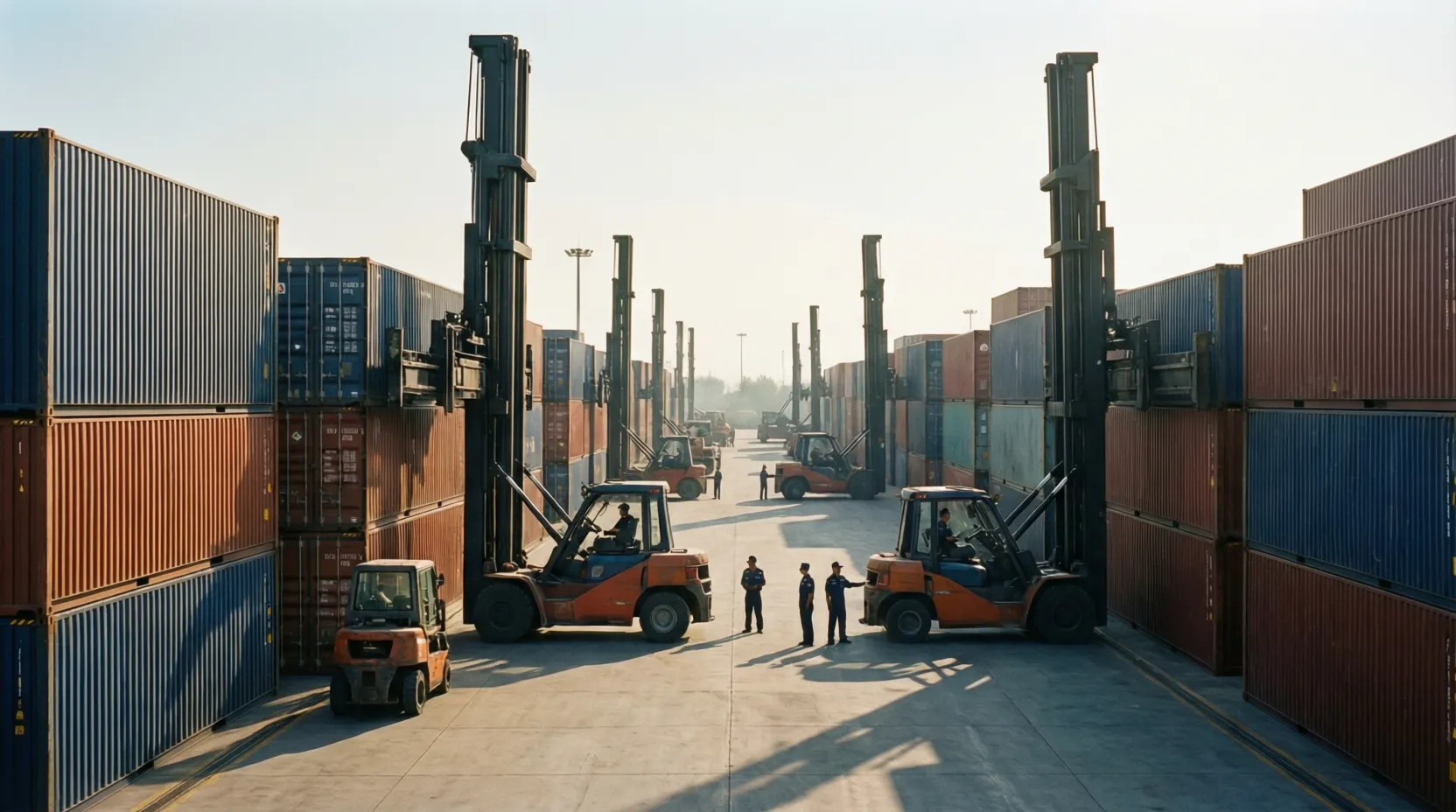
Kuehne+Nagel Opens Container Freight Station to Serve Growing Indian Trade
Kuehne+Nagel, one of the world’s leading logistics service providers, has further strengthened its presence in India with the opening of a new, built-to-suit Container Freight Station (CFS) in Mumbai. Spanning approximately 3,500 square metres, the newly commissioned facility is strategically positioned close to the Jawaharlal Nehru Port Authority (JNPA), India’s largest and most important container port. The development marks a significant milestone in Kuehne+Nagel’s Sea Logistics expansion strategy and reflects the company’s long-term commitment to supporting India’s rapidly growing trade ecosystem.
Strategic Location Near India’s Primary Maritime Gateway
The new CFS benefits from its proximity to JNPA, which handles a substantial share of India’s containerised cargo and serves as a critical gateway for imports and exports connecting the country to global markets. JNPA plays a pivotal role in India’s international trade flows, linking manufacturers, exporters, and importers with major shipping routes across Asia, Europe, the Middle East, Africa, and the Americas.
By locating the facility near this vital port, Kuehne+Nagel is able to offer customers faster cargo turnaround times, reduced inland transportation costs, and improved coordination between port operations and inland logistics activities. The strategic positioning also allows the company to better support time-sensitive shipments and complex supply chain requirements, particularly for industries that rely heavily on maritime trade.
Purpose-Built Design for Operational Efficiency and Scalability
The newly opened CFS has been developed as a built-to-suit facility, designed specifically to meet Kuehne+Nagel’s operational requirements while allowing room for future growth. Its layout supports efficient cargo handling, consolidation, deconsolidation, and storage, enabling smooth movement of goods through the supply chain.
Scalability has been a key consideration in the facility’s design. As India’s trade volumes continue to rise and customer demands evolve, the CFS can adapt to increasing throughput and expanded service offerings. This flexibility ensures that Kuehne+Nagel can respond quickly to changes in market dynamics while maintaining high service levels.
In addition to standard container handling, the facility supports a range of value-added logistics services, including cargo inspection, documentation support, stuffing and destuffing, and customised handling solutions. These capabilities are particularly important for customers seeking integrated logistics solutions that go beyond basic transportation.
Commitment to Safety, Security, and Global Standards
Safety and security are central to the operation of the new CFS. The facility is equipped with end-to-end surveillance systems to ensure continuous monitoring of cargo and premises. Robust access controls and operational protocols are in place to safeguard goods and maintain compliance with both local and international regulations.
The CFS adheres to several globally recognised standards, reinforcing Kuehne+Nagel’s focus on secure and compliant logistics operations. These include CTPAT (Customs Trade Partnership Against Terrorism), which enhances supply chain security for shipments moving to and from key global markets; AEO (Authorised Economic Operator), which facilitates smoother customs processes; and ISO certifications that reflect adherence to internationally accepted quality and operational management standards.
By meeting these benchmarks, the facility provides customers with greater confidence in the reliability, transparency, and security of their supply chains—an increasingly important factor in today’s complex global trading environment.
Sustainability Embedded in Facility Operations
Sustainability has been integrated into the design and operation of the Mumbai CFS, aligning with Kuehne+Nagel’s broader environmental goals. The facility features electric material-handling equipment, reducing emissions and noise compared to conventional diesel-powered machinery. Solar-powered lighting systems further contribute to lowering the site’s carbon footprint and energy consumption.
These initiatives reflect the company’s commitment to reducing the environmental impact of logistics operations while supporting customers’ own sustainability objectives. As global trade continues to grow, sustainable logistics infrastructure is becoming a critical requirement for companies seeking to balance operational efficiency with environmental responsibility.
Enhancing Sea Logistics Capabilities in India
The opening of the new CFS significantly strengthens Kuehne+Nagel’s Sea Logistics offering in India, a market that is increasingly central to global supply chains. The facility enables closer integration between ocean freight services and inland logistics, helping customers manage shipments more effectively from origin to destination.
Anish Kumar Jha, Managing Director for Kuehne+Nagel India, Sri Lanka, and the Maldives, highlighted the strategic importance of the new facility, stating that it enables faster, more connected operations. According to Jha, the CFS supports customers in moving shipments efficiently and reliably today, while also providing the flexibility needed to meet future logistics requirements as supply chains continue to evolve.
This customer-centric approach reflects Kuehne+Nagel’s broader strategy of investing in infrastructure and capabilities that enhance visibility, resilience, and efficiency across the supply chain.
India’s Growing Role in Global Trade
India is widely expected to become the world’s third-largest economy within this decade, driven by strong domestic consumption, expanding manufacturing activity, and increasing integration into global trade networks. More than 70 per cent of the country’s trade is transported by sea, underscoring the importance of robust port infrastructure and efficient maritime logistics.
Government initiatives aimed at improving port efficiency, expanding capacity, and modernising logistics infrastructure have further accelerated growth in the sector. At the same time, Indian exporters are expanding their reach into new markets, while imports of raw materials, intermediate goods, and consumer products continue to rise.
Against this backdrop, demand for modern, well-connected logistics facilities such as container freight stations is increasing rapidly. These facilities play a vital role in easing congestion at ports, streamlining customs processes, and enabling smoother cargo flows between maritime and inland transport networks.
Supporting Trade Resilience and Supply Chain Reliability
The global logistics landscape has faced significant disruptions in recent years, from capacity constraints and port congestion to geopolitical tensions and shifting trade patterns. In this environment, reliable and flexible logistics infrastructure is more important than ever.
Kuehne+Nagel’s new Mumbai CFS contributes to greater resilience in India’s supply chains by providing additional capacity and operational flexibility near a key port. The facility helps mitigate bottlenecks, improve cargo visibility, and support continuity of trade even during periods of volatility.
For customers operating in sectors such as manufacturing, retail, automotive, chemicals, and pharmaceuticals, access to dependable logistics infrastructure can be a decisive factor in maintaining competitiveness and meeting delivery commitments.
Long-Term Commitment to the Indian Market
The launch of the Mumbai CFS underscores Kuehne+Nagel’s long-term commitment to the Indian market and its confidence in the country’s economic and trade growth prospects. By investing in purpose-built infrastructure, the company is positioning itself to support customers as India continues to expand its role in global supply chains.
As trade volumes grow and supply chains become more complex, logistics providers with strong local presence, global connectivity, and advanced operational capabilities will play an increasingly critical role. Kuehne+Nagel’s latest investment reflects its strategy of combining global expertise with local infrastructure to deliver end-to-end logistics solutions.
With the new Container Freight Station now operational, Kuehne+Nagel is well placed to support India’s expanding trade needs, enhance the efficiency of sea-based logistics, and contribute to the ongoing transformation of the country’s logistics landscape.
Source Link:https://newsroom.kuehne-nagel.com/