


Netradyne, a global leader in AI-driven road safety and fleet intelligence solutions, has announced a major deployment of its advanced safety platform across Ride Yellow, the largest taxicab organization in the Western United States. The partnership marks a significant step in the expansion of AI-enabled fleet monitoring in the commercial passenger transportation sector, as Ride Yellow adopts Netradyne as its preferred safety technology across its extensive multi-state taxi network.
Ride Yellow operates a broad portfolio of taxi and mobility services across major U.S. cities, including Los Angeles, Orange County, San Diego, and Denver through brands such as LA Yellow Cab, California Yellow Cab, San Diego Yellow Cab, and Denver Metro Taxi. With more than 1,500 vehicles in operation, the organization has been under increasing pressure to manage rising insurance costs, reduce accident frequency, and improve overall driver accountability across a highly distributed fleet.
Following a comprehensive evaluation of available fleet safety technologies, Ride Yellow selected Netradyne’s Driver•i™ platform to replace a previously deployed competitor system that had fallen short in delivering real-time intervention and accurate event detection. The transition reflects a broader industry trend toward AI-based video telematics systems capable of both monitoring and actively improving driver behavior in real time.
According to Ride Yellow, the implementation of Netradyne’s platform has already produced a measurable improvement in operational safety outcomes. The company reported a reduction in at-fault accidents shortly after installation, signaling the system’s effectiveness in influencing driver behavior and identifying risk factors before they escalate into incidents.
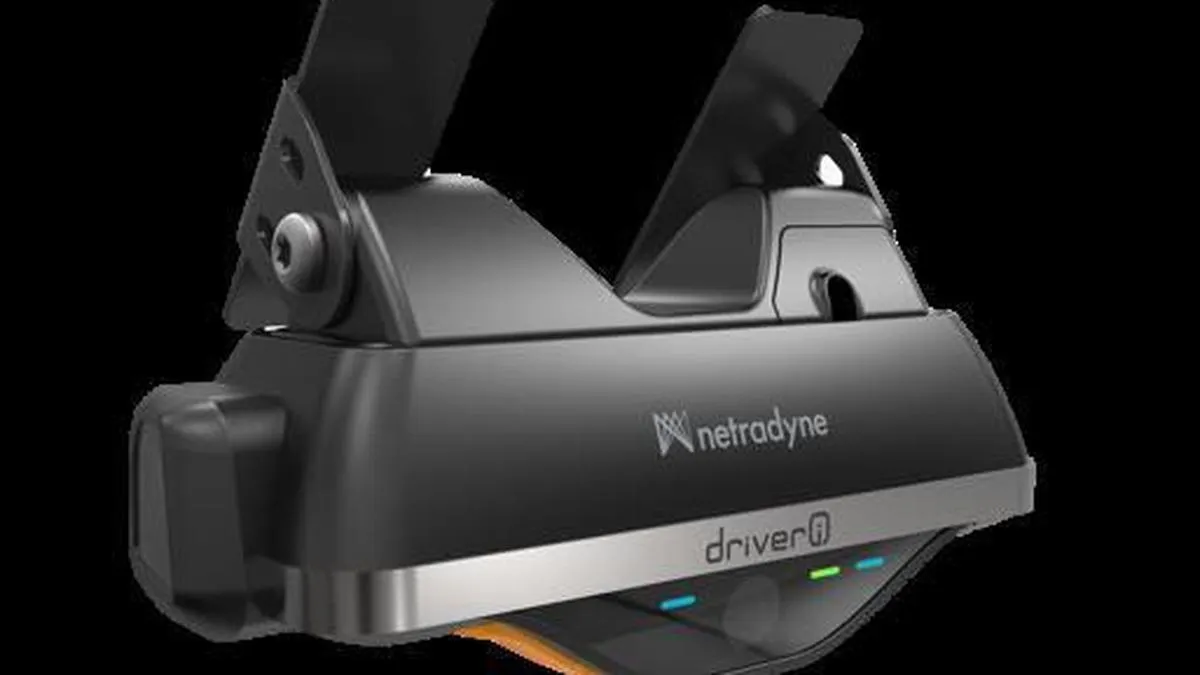
The Driver•i™ platform integrates the D-450 smart dash camera, a multi-lens device offering a 270-degree field of view, along with the Vbus module, which enables precise odometer and vehicle data tracking. Together, these tools provide continuous visibility into driver performance, vehicle movement, and safety events across the entire fleet.
Ride Yellow CEO William Rouse emphasized the transformative effect the platform has had on fleet oversight and driver accountability. He noted that multiple taxi operations within the organization—including those in Los Angeles, Orange County, San Diego, and Denver—now benefit from unified visibility into driver behavior through the system.
“With Netradyne, several of our taxi fleets now have a crystal-clear view into driver performance,” Rouse said. “The platform’s 100% drive time analysis and highly accurate GreenZone scoring have helped us identify risky behaviors before they become incidents. What’s most impactful is how it reinforces the positive: in-vehicle alerts automatically encourage safer driving in real time, reducing our need for constant oversight. Since adopting Netradyne, we’ve seen a measurable improvement in safety and a drop in accident frequency.”
Commercial fleet operators, particularly in urban taxi services, are facing escalating challenges driven by rising insurance premiums and increasing liability exposure. For Ride Yellow, insurance costs represent one of the largest operational expenses, making accident prevention and risk mitigation a strategic priority.
Every preventable accident not only results in immediate repair and liability costs but also contributes to higher long-term insurance premiums. This compounding effect has placed significant pressure on fleet operators to adopt more advanced safety systems capable of reducing claim frequency and improving underwriting outcomes.
Ride Yellow’s fleet-wide adoption of Netradyne’s system is intended to directly address these challenges. The company stated that controlling accident rates and strengthening loss prevention mechanisms were central to its decision-making process when evaluating alternative safety solutions.
Previously, Ride Yellow had used a competing fleet monitoring system introduced in 2022. However, limitations in low-force collision detection, delayed alert systems, and limited behavioral feedback reduced its effectiveness in preventing incidents in real time. These shortcomings led the company to reassess its safety technology strategy and pursue a more proactive solution.
After an extensive review of available technologies, Ride Yellow selected Netradyne for its ability to combine artificial intelligence, real-time alerting, and high-precision behavioral analytics within a single platform.
Key decision factors included the system’s ability to provide instantaneous in-cab alerts when risky behaviors occur, its detailed event capture capabilities for coaching and training, and its precise geolocation tracking tied to every recorded incident. These features allow fleet managers to not only respond to incidents after they occur but to actively intervene in driver behavior while vehicles are still in motion.
The Driver•i™ platform uses AI-powered video analytics to evaluate driving behavior across 100% of trip duration, rather than relying on sampled data or isolated event triggers. This approach enables a more comprehensive understanding of driver performance and risk exposure.
Within 12 months of deployment, Ride Yellow reported several significant operational improvements attributed to the Netradyne system. The most notable outcome was a 15% reduction in claim frequency, resulting in cost savings that exceeded the initial implementation investment.
In addition to reduced claims, the platform has enabled the detection and mitigation of high-risk behaviors such as red-light violations, stop-sign violations, and distracted driving events. These insights have allowed Ride Yellow to implement more targeted coaching programs and reinforce safe driving practices across its workforce.
Importantly, the company also reported that it was able to maintain existing safety oversight staffing levels even as the fleet expanded. This indicates improved operational efficiency, as the AI-driven system reduced the need for manual monitoring while maintaining or improving safety outcomes.
Rouse described the system as an always-present digital co-worker supporting safety operations. “Netradyne is the coworker doing the coaching inside the cab while we focus on other back-office tasks,” he said.
At the core of Netradyne’s offering is the Driver•i™ platform, a comprehensive video telematics system designed to enhance both safety and operational intelligence. The system centers around the D-450 camera unit, a compact, windshield-mounted device equipped with four high-definition lenses. These lenses provide a wide 270-degree field of view, allowing for continuous monitoring of both road conditions and driver behavior.
The platform is designed to deliver approximately 99% accuracy in driver behavior detection and alerting, helping ensure that drivers receive immediate feedback in real time. It also offers up to 200 hours of on-device video storage, enabling fleets to access historical footage for training, compliance, and incident review.
A key differentiator of the system is its GreenZone scoring model, an industry-first driver performance metric that evaluates safe driving behaviors and reinforces positive actions through gamified feedback and coaching insights. This approach encourages behavioral change by rewarding safe driving rather than solely focusing on violations.
The integration of the Vbus module adds another layer of operational intelligence by capturing precise mileage and vehicle usage data. This supports not only safety analytics but also maintenance planning, compliance tracking, and broader fleet optimization efforts.
Netradyne executives highlighted the importance of supporting fleet operators facing increasingly complex operational and financial pressures. Heather Engen of Netradyne noted that the company’s mission is to deliver proactive, AI-driven systems that improve safety outcomes while also reducing costs for large-scale transportation providers.
“It’s a pleasure to support innovative companies like Ride Yellow that want to build safer roads and stronger operations in the face of challenging business environments,” Engen said. “We take pride in offering our customers a truly proactive system that helps them do more with less—simultaneously improving safety outcomes while reducing costs.”
The partnership between Netradyne and Ride Yellow reflects a broader shift in the transportation industry toward AI-enabled fleet intelligence platforms. As taxi operators, rideshare companies, and commercial fleet providers continue to face rising insurance costs, regulatory pressure, and driver safety challenges, demand for real-time behavioral monitoring systems is expected to grow.
Beyond traditional taxi operations, Ride Yellow’s fleet supports a diverse set of transportation services, including school transportation, non-emergency medical transport (NEMT), and rideshare solutions. This diversification increases the complexity of fleet management and further underscores the need for scalable, unified safety systems.
By implementing Netradyne’s Driver•i™ platform across its entire network, Ride Yellow aims to standardize safety oversight, improve driver accountability, and create a consistent safety culture across all service lines.
The collaboration demonstrates how advanced AI technologies are reshaping fleet operations by turning raw driving data into actionable insights, reducing risk exposure, and improving long-term financial performance for transportation providers operating in highly competitive and cost-sensitive markets.
Source link: https://www.businesswire.com/