


NextSmartShip (NSS), a leading provider of global e-commerce fulfillment solutions, has released a new case study highlighting how it helped independent board game publisher Tin Robot Games streamline worldwide logistics, reduce shipping costs, and free up valuable operational time. The report, titled How NextSmartShip Streamlined Global Logistics for Tin Robot Games, showcases how the company’s centralized China-based fulfillment strategy enabled Tin Robot Games to cut landed costs by 10% while reclaiming nearly half of the time previously spent managing logistics operations.
The story reflects a growing challenge faced by many small businesses and independent creators. As crowdfunding platforms such as Kickstarter and Gamefound continue to make it easier for entrepreneurs to launch products globally, many soon discover that scaling operations beyond domestic markets introduces a new set of hurdles. Shipping complexities, rising freight costs, inventory fragmentation, and time-consuming order management often become barriers to sustainable growth.
For Tin Robot Games founder James Staley, those challenges became increasingly difficult to ignore as demand for his products expanded internationally. What began as a creative business built around tabletop gaming quickly evolved into a company needing a smarter and more efficient logistics model.
Crowdfunding has transformed the tabletop gaming industry over the past decade. Independent publishers can now reach passionate communities worldwide, fund projects directly through supporters, and launch niche products without relying on traditional retail channels.
However, success on these platforms often creates new logistical pressure. Once campaigns are funded and products manufactured, creators must fulfill orders to customers across North America, Europe, Asia, and beyond. For many small businesses, this means managing multiple warehouse partners, coordinating customs processes, forecasting inventory across regions, and handling customer expectations around shipping speed.
Tin Robot Games experienced these issues firsthand. As orders increased internationally, Staley found himself spending a growing share of his time managing supply chain tasks rather than focusing on product development, customer engagement, or growing the brand.
Instead of enjoying the benefits of expansion, the company faced what many entrepreneurs call a “logistics logjam”—where backend operations slow the momentum of the business.
Prior to working with NextSmartShip, Tin Robot Games relied on a fragmented distribution structure involving several international providers. While this model may seem practical on paper, it often resulted in unnecessary complexity and rising costs.
One of the most pressing issues was the amount of time required to coordinate global fulfillment. According to the case study, logistics management consumed around 25% of James Staley’s working time.
For a solo entrepreneur, losing one-quarter of the workweek to shipping coordination can be a major setback. Time spent resolving warehouse issues, checking shipment statuses, comparing rates, or correcting errors is time not spent designing games, marketing products, or building customer relationships.
Stock was distributed across multiple warehouses and fulfillment centers. While this can sometimes reduce delivery times locally, it also creates complications for smaller brands.
For Tin Robot Games, scattered inventory made it difficult to consolidate add-on purchases or efficiently fulfill combined customer orders. Customers often expect seamless delivery experiences, particularly when ordering expansions, accessories, or multiple titles. Fragmented inventory reduced flexibility and increased costs.
Another challenge was limited support from previous fulfillment providers. As a micro-publisher, Tin Robot Games often found that its business volume did not command the attention or customized service offered to larger brands.
This is a common pain point for small businesses. Many logistics providers prioritize large enterprise accounts, leaving emerging brands with slower responses, less strategic guidance, and fewer service options.
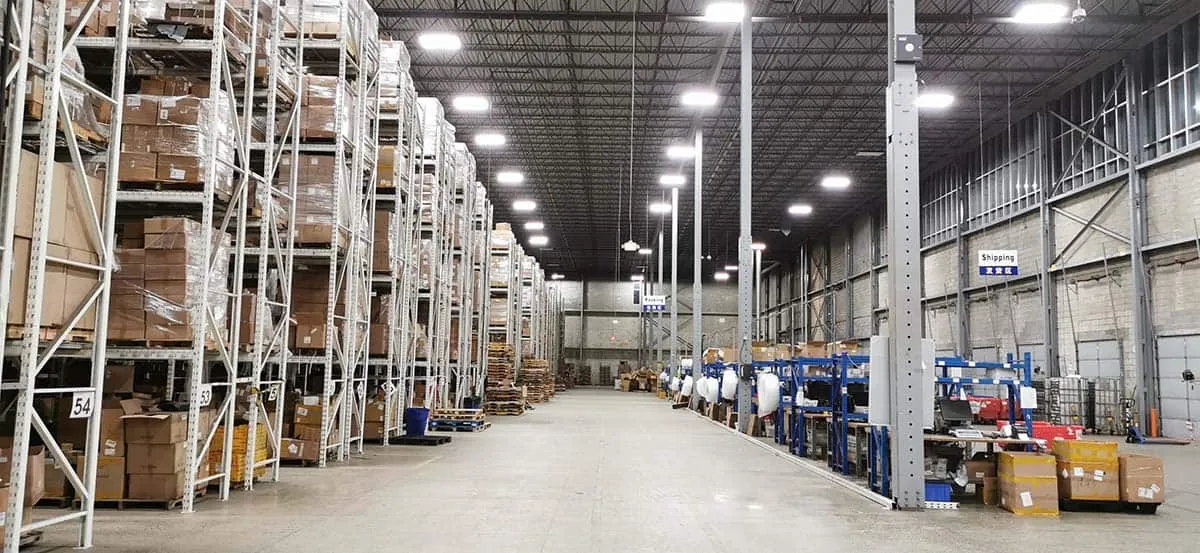
To solve these issues, Tin Robot Games transitioned fulfillment operations to NextSmartShip’s Shanghai hub. Rather than using a traditional model where goods are shipped by ocean freight to regional warehouses before reaching consumers, the company adopted a direct-to-consumer strategy from China.
This approach offers several structural advantages for e-commerce businesses whose products are already manufactured in Asia.
Instead of paying to move inventory into multiple overseas storage locations, products can be dispatched closer to the point of production and shipped directly to end customers worldwide.
For Tin Robot Games, the shift created measurable improvements across speed, cost, and operational simplicity.
One of the biggest benefits of the new system was speed.
By bypassing lengthy ocean freight routes and multiple warehousing stages, transit times were reduced by approximately six weeks compared with conventional container shipping methods.
That reduction matters significantly in the board game sector, where backers and customers often wait months after campaign completion. Faster fulfillment improves customer satisfaction, strengthens brand trust, and can generate repeat purchases.
For smaller publishers competing in a crowded market, reliable delivery performance can be as important as product quality.
The case study also found that Tin Robot Games reduced landed costs by 10%.
Landed cost refers to the total expense of getting a product from manufacturer to customer, including freight, duties, warehousing, brokerage, and handling charges.
For a small business, even modest cost reductions can have a major impact on profitability. In industries with tight margins, shipping expenses often determine whether a project is financially successful.
By consolidating operations through NextSmartShip’s centralized model, Tin Robot Games improved margin control while maintaining global reach.
Another major improvement came through NextSmartShip’s self-service dashboard.
Using the platform, Staley is now able to manage worldwide orders in minutes rather than spending hours manually coordinating shipments. The system also proactively flags regional shipping errors, helping prevent delays or costly mistakes before packages are dispatched.
For growing e-commerce businesses, technology-enabled visibility is essential. Owners need quick access to order data, tracking performance, shipping rates, and destination requirements without navigating multiple systems.
Centralized dashboards reduce administrative burden and make scaling more manageable.
Unlike many providers that reserve premium service for large-volume accounts, NextSmartShip’s model includes no minimum order quantity requirements and dedicated account management.
This gave Tin Robot Games access to responsive, personalized support typically associated with much larger enterprises.
For independent creators, having access to real logistics expertise can be transformative. Guidance on shipping methods, customs processes, seasonal demand planning, or regional fulfillment strategies helps prevent costly mistakes and creates confidence during growth phases.
James Staley, founder of Tin Robot Games, emphasized the impact of the partnership on the economics of the business.
He explained that for a small company, shipping costs can directly determine whether a game is profitable. With the new system in place, he can now manage global logistics in minutes rather than hours.
That shift highlights an often-overlooked truth in entrepreneurship: operational efficiency is not just about convenience—it directly affects financial sustainability.
The Tin Robot Games example is relevant far beyond tabletop gaming.
Thousands of brands launched through Kickstarter, Gamefound, Indiegogo, Shopify, Amazon, and direct-to-consumer websites face similar issues:
As these businesses scale, fulfillment becomes one of the most critical determinants of long-term success.
A strong product and engaged customer base can only go so far if backend logistics fail to keep pace.
The NextSmartShip case study demonstrates a broader shift in global commerce. Smaller companies now have access to fulfillment infrastructure, software tools, and international shipping networks that were once available mainly to major corporations.
Centralized Asia-based fulfillment, intelligent shipping software, and flexible support models are helping entrepreneurs compete globally without building large internal operations teams.
For creators and independent brands, this levels the playing field.
Tin Robot Games’ partnership with NextSmartShip illustrates how the right fulfillment strategy can unlock growth for small businesses operating on a global stage. By replacing a fragmented logistics model with centralized China-based direct-to-consumer fulfillment, the company reduced costs, accelerated delivery times, improved visibility, and reclaimed valuable time.
For founder James Staley, the result was not just smoother shipping—it was the ability to focus once again on building games and growing the business.
As more independent brands scale through crowdfunding and e-commerce, stories like this highlight a simple but important lesson: great products create opportunity, but smart logistics turn opportunity into sustainable success.
Source link: https://www.businesswire.com/