


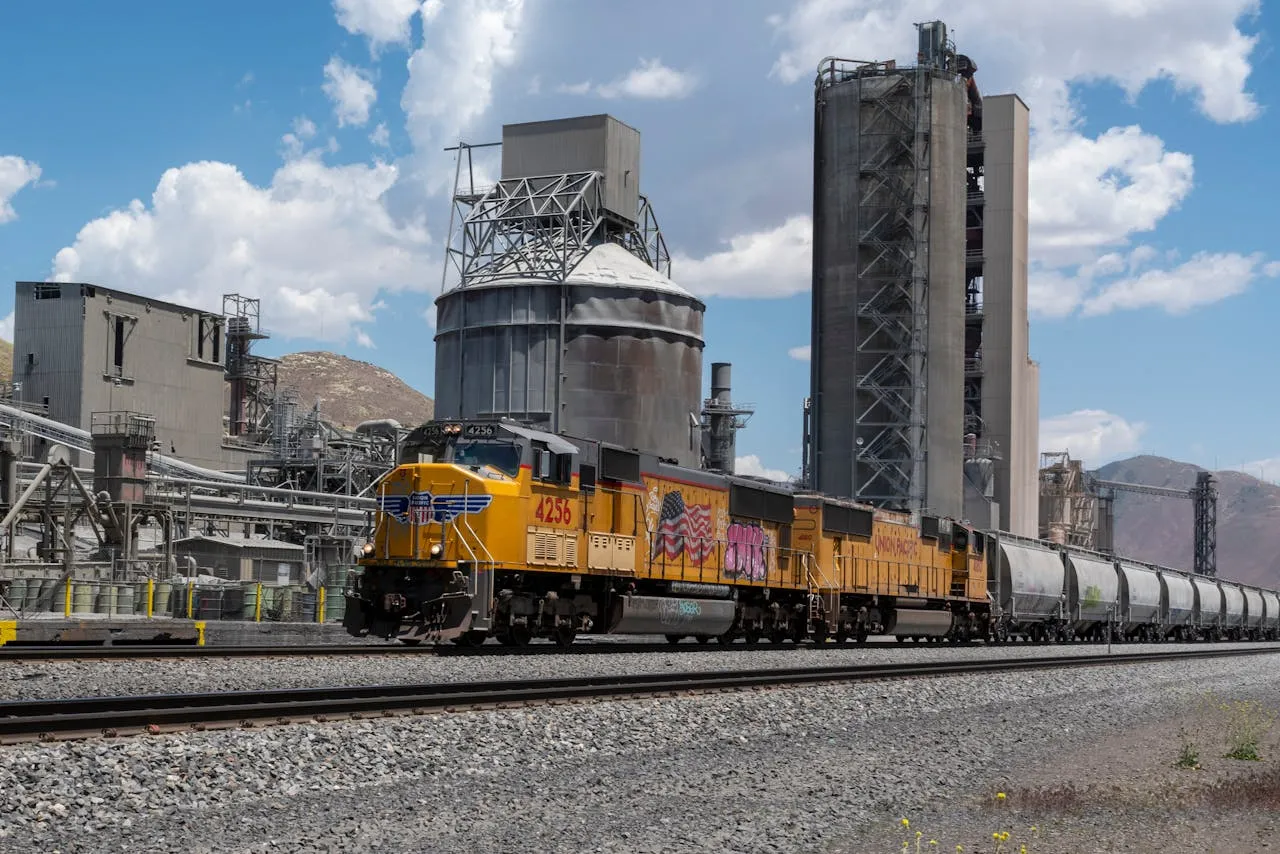
Union Pacific Railroad and Rocky Mountain Steel Mills have entered into a new seven-year agreement for the domestic production of steel rails, marking a significant milestone in one of the longest-standing industrial partnerships in the United States. The contract not only reinforces Union Pacific’s commitment to sourcing the majority of its rail from a U.S.-based manufacturer, but also highlights the strategic importance of maintaining a resilient domestic steel supply chain at a time when infrastructure reliability and national manufacturing capacity are under increasing focus.
At the heart of this agreement is Rocky Mountain Steel’s facility in Pueblo, Colorado—an iconic site that holds a unique position as the only remaining dedicated rail production mill in the United States. The plant has long served as a cornerstone of American steelmaking and continues to be a major contributor to North America’s broader industrial ecosystem. With a workforce represented by the United Steelworkers (USW), the mill exemplifies the enduring strength of union labor in supporting critical infrastructure and manufacturing operations.
The relationship between Union Pacific and Rocky Mountain Steel spans more than a century, dating back to the early 1890s. Over the decades, this collaboration has played a pivotal role in shaping the development of rail infrastructure across the western United States. From the expansion of rail lines during the country’s industrial boom to the demands of wartime production, the two organizations have consistently worked together to meet the nation’s evolving transportation and industrial needs.
This long-standing partnership has been instrumental in supporting regional economic growth. The emergence of the Pueblo steel mill as a key supplier was closely tied to the expansion of Union Pacific’s rail network, which created efficient transportation links for raw materials and finished steel products. This synergy allowed western steel production to compete effectively with eastern manufacturers, reducing logistical challenges and strengthening the domestic supply chain.
The newly signed contract also represents a turning point in the relationship, as it brings closure to recent legal disputes between the two companies. Union Pacific has formally withdrawn a previously filed lawsuit in Nebraska, signaling a mutual commitment to collaboration and long-term stability. This resolution paves the way for renewed cooperation and underscores both parties’ recognition of the strategic value of their partnership.
By resolving these issues and aligning on a shared vision for the future, Union Pacific and Rocky Mountain Steel are positioning themselves to better navigate the complexities of modern rail and manufacturing industries. The agreement reflects a broader trend of companies prioritizing domestic partnerships and supply chain resilience in response to global uncertainties.
A central element of the agreement is Rocky Mountain Steel’s investment in a new, state-of-the-art long rail mill at its Pueblo facility. Backed by more than $1 billion in funding, the project represents one of the most significant investments in domestic steel production in recent years. The new mill is expected to begin operations within the year and will further solidify Pueblo’s status as the nation’s sole dedicated rail manufacturing hub.
The advanced facility will be equipped to produce 100-meter (328-foot) lengths of premium rail, a major leap forward from traditional 80-foot rail segments. This capability offers substantial efficiency improvements for rail operators, as longer रेल sections reduce the number of welds required during track installation. In fact, the new rails will require approximately 80% fewer welds, leading to enhanced track integrity, reduced maintenance needs, and improved overall safety.
From a technological standpoint, the new mill is designed to be one of the most advanced rail production lines in the world. Its integration of modern manufacturing processes and automation will enable higher precision and consistency in rail production, ensuring that Union Pacific and other customers receive high-quality materials capable of meeting the demands of heavy freight operations.
In addition to its technological advancements, the Pueblo facility is setting new standards for sustainability in steel manufacturing. The new rail mill will be powered by a dedicated 1,800-acre solar farm, making it the largest solar-powered steel mill globally. This innovative approach reflects a growing emphasis on reducing carbon emissions and adopting renewable energy sources within traditionally energy-intensive industries.
By leveraging solar power, Rocky Mountain Steel is not only reducing its environmental footprint but also enhancing the long-term viability of domestic steel production. For Union Pacific, this aligns with its broader sustainability goals and reinforces its commitment to environmentally responsible operations.
The integration of renewable energy into steel manufacturing also highlights the potential for innovation in heavy industry. As companies seek to balance economic growth with environmental stewardship, projects like the Pueblo mill serve as a blueprint for how large-scale industrial facilities can transition դեպի cleaner energy sources without compromising performance or productivity.
Union Pacific CEO Jim Vena emphasized the importance of the partnership and the role of the new mill in advancing American manufacturing. He noted that the company values its longstanding relationship with Rocky Mountain Steel and its workforce, recognizing their shared commitment to producing high-quality, domestically manufactured steel.
Vena also pointed to the broader strategic implications of the agreement, particularly in the context of Union Pacific’s proposed merger with Norfolk Southern. The potential creation of the nation’s first transcontinental railroad would significantly expand the company’s network and operational footprint, increasing the demand for reliable rail infrastructure. In this scenario, a strong partnership with a domestic rail supplier becomes even more critical.
From Rocky Mountain Steel’s perspective, the agreement represents a reaffirmation of its role as a vital component of the nation’s transportation infrastructure. Doug Matthews, CEO of Orion Steel—the parent company of Rocky Mountain Steel—highlighted the historical significance of the partnership and its ongoing benefits for American workers.
Matthews underscored that the Pueblo mill is not just a manufacturing facility but a symbol of American industrial capability. He emphasized that the quality of U.S.-produced steel, combined with the expertise of its workforce, positions the company as a leader in the global steel industry.
The renewed contract is expected to have far-reaching economic implications, particularly for the Pueblo region and the broader U.S. manufacturing sector. The continued operation and expansion of the steel mill will support thousands of jobs, both directly and indirectly, while contributing to the stability of local communities that have long depended on the steel industry.
For the rail industry, the agreement ensures a steady supply of high-quality, domestically produced rail, reducing reliance on imports and strengthening supply chain security. This is especially important as railroads play a critical role in transporting goods across the country, supporting industries ranging from agriculture and energy to manufacturing and retail.
The partnership also reinforces the importance of collaboration between transportation and manufacturing sectors. By working together, Union Pacific and Rocky Mountain Steel are able to optimize production, streamline logistics, and deliver value to customers while supporting national economic objectives.
The nearly 140-year relationship between Union Pacific and Rocky Mountain Steel is a testament to the enduring value of collaboration in driving industrial progress. From supporting the expansion of railroads in the American West to contributing to wartime production efforts during World War I, the partnership has consistently demonstrated its ability to adapt and thrive in changing circumstances.
During World War I, for example, Union Pacific played a crucial role in transporting raw materials to the Pueblo mill and distributing finished steel products to support the war effort. This level of coordination and efficiency highlights the strategic importance of integrating transportation and manufacturing capabilities.
As Union Pacific and Rocky Mountain Steel embark on this new chapter, the focus remains on innovation, sustainability, and long-term growth. The combination of advanced manufacturing technology, renewable energy integration, and a strong commitment to domestic production creates a solid foundation for future success.
The agreement serves as a powerful example of how legacy industries can modernize while staying true to their roots. By investing in infrastructure, supporting skilled labor, and prioritizing domestic partnerships, both companies are contributing to a more resilient and competitive U.S. economy.
Ultimately, the seven-year contract is more than just a business arrangement—it is a reaffirmation of shared values and a vision for the future of American manufacturing and transportation. Through continued collaboration and strategic investment, Union Pacific and Rocky Mountain Steel are poised to play a leading role in shaping the next era of rail and steel production in the United States.
Source link: https://www.businesswire.com/