

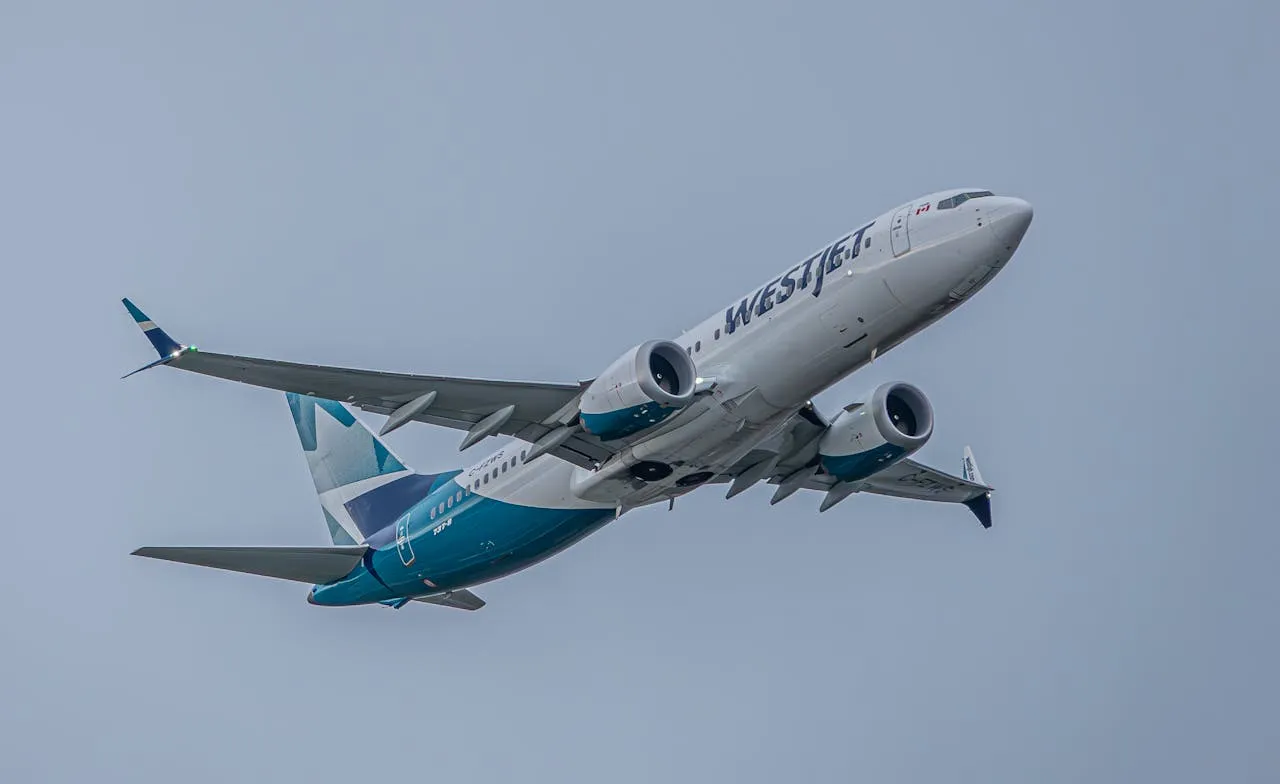
The Canadian Union of Public Employees (CUPE) Local 8125, which represents approximately 360 cabin crew members employed by WestJet Encore, has formally initiated the process of negotiating a new collective agreement by serving a Notice to Bargain. This development marks the beginning of what is expected to be a significant round of labour negotiations, as flight attendants seek to address long-standing concerns related to compensation, scheduling practices, and unpaid work.
The Notice to Bargain is a formal step under Canadian labour law that signals a union’s intent to renegotiate the terms and conditions of employment outlined in an existing collective agreement. For CUPE 8125, this step reflects mounting pressure from its membership to secure meaningful improvements in their working conditions and overall compensation structure.
At the core of the union’s demands is the issue of unpaid work, which has become a central point of contention not only for WestJet Encore flight attendants but also for cabin crew across the broader airline industry. Flight attendants often perform a wide range of duties beyond the time when an aircraft is in motion, including pre-flight preparations, safety checks, boarding procedures, and post-flight responsibilities. However, many of these tasks are not compensated under current pay structures, which typically calculate wages based on “block time” — the period from when the aircraft door closes before departure to when it opens after landing.
Jennifer Wielohorski-Kuhnert, Vice President of the WestJet Encore Unit within CUPE 8125, underscored the importance of addressing these disparities as negotiations move forward. She emphasized that the union’s priorities are rooted in fairness and recognition of the full scope of work performed by flight attendants.
According to Wielohorski-Kuhnert, the union is seeking to eliminate unpaid labour practices that have persisted for years. She noted that flight attendants are expected to report for duty well before flights depart and remain on duty after flights arrive, yet much of this time is not reflected in their pay. This discrepancy, she argued, not only undervalues the work performed by cabin crew but also contributes to fatigue and dissatisfaction among employees.
In addition to compensation concerns, scheduling practices have emerged as another critical issue in the upcoming negotiations. Flight attendants often face unpredictable and demanding schedules, including long duty days, last-minute changes, and limited control over their work-life balance. CUPE 8125 has indicated that it will push for reforms that provide greater predictability, transparency, and fairness in scheduling.
Wielohorski-Kuhnert highlighted that resolving these scheduling challenges is essential not only for improving the quality of life for flight attendants but also for maintaining operational efficiency and safety. She pointed out that well-rested and fairly treated crew members are better equipped to perform their duties effectively, ultimately benefiting passengers and the airline alike.
Wage improvements are also high on the union’s agenda. CUPE 8125 is advocating for higher pay rates that reflect the responsibilities and expertise required of flight attendants. Cabin crew members are trained safety professionals who play a crucial role in ensuring passenger safety, responding to emergencies, and delivering high-quality service. Despite these responsibilities, the union argues that their compensation has not kept pace with industry standards or the rising cost of living.
CUPE 8125 President Alia Hussain reinforced the significance of this bargaining round, noting that it comes at a pivotal moment for labour relations within the WestJet Group. She pointed out that flight attendants at WestJet’s mainline operations have been engaged in their own bargaining process since September 2025, raising many of the same concerns regarding unpaid work, scheduling, and fair compensation.
Hussain described the current situation as a unified effort among cabin crew across the organization to secure meaningful change. She emphasized that Encore flight attendants are now joining their mainline counterparts in advocating for consistent and equitable treatment across the company. This alignment of priorities underscores a broader movement within the airline to address systemic issues affecting cabin crew at multiple levels.
The union leadership has made it clear that their goal is to negotiate a collective agreement that accurately reflects the value of the work performed by flight attendants. Hussain stressed that cabin crew members are not only responsible for delivering customer service but also serve as the first line of defense in ensuring passenger safety. They are trained to handle a wide range of situations, from medical emergencies to security threats, and must be prepared to act quickly and effectively under pressure.
Despite these critical responsibilities, Hussain noted that many aspects of their work remain uncompensated. She argued that this disconnect between the scope of work and the compensation received is both unfair and unsustainable. By addressing these issues through collective bargaining, the union aims to establish a more equitable framework that recognizes and rewards the full extent of flight attendants’ contributions.
The call for fair pay extends beyond base wages to include compensation for all hours worked. Hussain reiterated that the union’s message to WestJet management is straightforward: flight attendants should be paid for every hour they are on duty. This includes time spent on the ground performing essential tasks, as well as time spent in the air.
As negotiations begin, both parties will likely engage in a series of discussions aimed at reaching a mutually acceptable agreement. The bargaining process can be complex and may involve multiple rounds of negotiations, mediation, and, if necessary, other forms of dispute resolution. However, CUPE 8125 has expressed optimism about the opportunity to engage in constructive dialogue with the employer.
The outcome of these negotiations could have broader implications for labour practices within the airline industry, particularly in Canada. Issues such as unpaid work and scheduling have been the subject of increasing scrutiny in recent years, with unions and advocacy groups calling for reforms that better protect workers’ rights and well-being.
For WestJet Encore flight attendants, the Notice to Bargain represents a critical step toward addressing these challenges and securing improvements that align with their expectations and needs. It also signals a willingness on the part of the union to advocate strongly on behalf of its members and to push for changes that enhance both fairness and sustainability in their working conditions.
As the process unfolds, the focus will remain on achieving a collective agreement that balances the interests of employees and the employer while ensuring that flight attendants are recognized and compensated appropriately for their essential role in the aviation sector. The coming months are expected to be pivotal as CUPE 8125 and WestJet Encore work toward a resolution that reflects the evolving demands of the workforce and the realities of the modern airline industry.
Ultimately, the message from CUPE 8125 is consistent and unequivocal: flight attendants deserve fair pay, fair schedules, and fair treatment. By serving Notice to Bargain, the union has taken a decisive step toward turning that message into tangible outcomes for its members.
Source link: https://www.businesswire.com/