


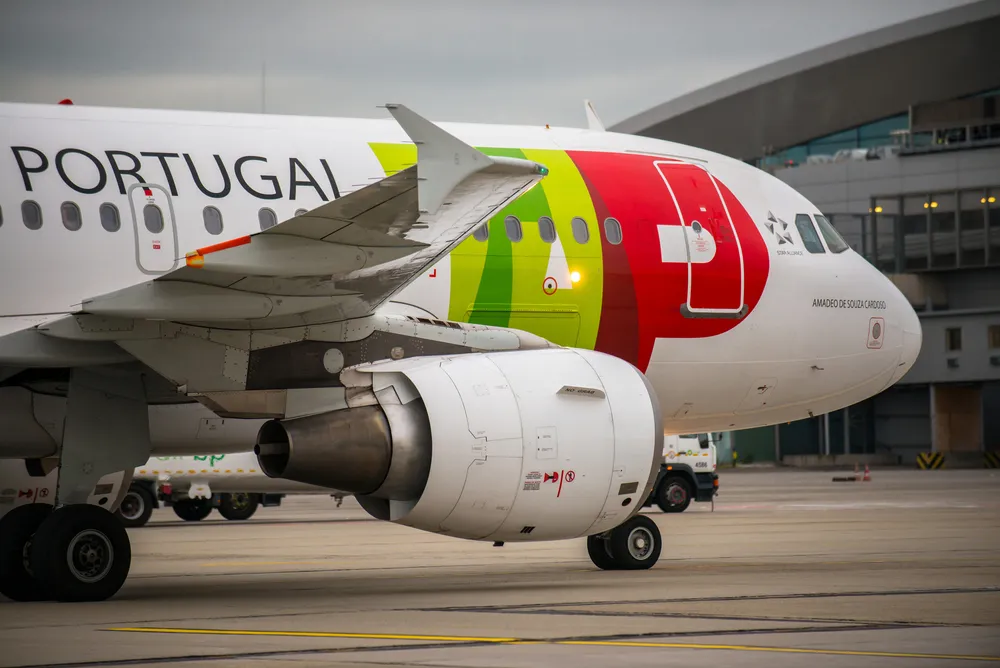
Air France-KLM has taken a significant step in its long-term European growth strategy by submitting a non-binding offer to acquire a minority stake in TAP Air Portugal. The move signals the Franco-Dutch airline group’s intent to deepen its presence in Southern Europe while leveraging TAP’s strong network and strategic geographic positioning. As consolidation continues to reshape the global aviation landscape, this potential partnership could mark a transformative chapter for both organizations.
At the heart of the proposal is a shared vision for growth, connectivity, and operational synergy. Air France-KLM CEO Benjamin Smith emphasized the deep respect the group holds for TAP’s legacy, as well as its belief in the airline’s future potential within a broader international framework.
TAP Air Portugal has spent more than eight decades building a strong identity as Portugal’s flag carrier. Over 81 years, the airline has established Lisbon as a powerful aviation hub, connecting Europe with key destinations across the Americas and Africa. It has also cultivated a strong brand that resonates with Portuguese citizens at home and abroad.
Benjamin Smith highlighted these strengths, noting that TAP represents far more than a transportation provider—it is a symbol of national pride and global connectivity for millions of Portuguese people. Air France-KLM sees this heritage not as something to be replaced, but as a foundation to build upon.
The group believes that integrating TAP into its portfolio would allow the airline to expand its reach and enhance its capabilities, while preserving the identity that has made it successful. This approach aligns with Air France-KLM’s broader strategy of maintaining the individuality of its partner airlines while strengthening them through shared resources and expertise.
A key element of the proposal centers on Lisbon’s strategic importance. Thanks to its geographic location, Lisbon is ideally positioned to serve as a gateway between Europe, the Americas, and Africa. Air France-KLM envisions the Portuguese capital evolving into its primary Southern European hub, complementing existing hubs in Paris Charles de Gaulle and Amsterdam Schiphol.
This development would significantly enhance connectivity across the group’s network. Lisbon’s proximity to Brazil—a critical market for both TAP and Air France-KLM—makes it especially valuable. TAP already has a dominant presence in Brazil, offering numerous direct connections that could be further strengthened through integration with Air France-KLM’s global network.
In addition to Brazil, Lisbon provides efficient access to other parts of Latin America and Africa, regions where demand for air travel continues to grow. By positioning Lisbon as a central hub, Air France-KLM aims to create a more balanced and diversified network, improving resilience and expanding market opportunities.
While Lisbon remains central to the strategy, Air France-KLM has also expressed its intention to invest in connectivity across Portugal. The group plans to strengthen operations not only in the capital but also in other cities, including Porto.
This broader approach reflects a commitment to supporting regional development and ensuring that the benefits of increased connectivity are felt throughout the country. By enhancing routes and capacity in multiple locations, Air France-KLM aims to create new economic opportunities, boost tourism, and improve accessibility for both domestic and international travelers.
Such expansion would also support the Portuguese diaspora, which relies heavily on air travel to maintain connections with family and business interests. Ensuring reliable and extensive connectivity remains a priority, particularly as the Portuguese government evaluates potential investors in TAP.
One of the most significant advantages of joining the Air France-KLM Group would be TAP’s access to a vast global commercial network. This includes not only Air France and KLM but also Transavia, the group’s low-cost subsidiary.
Beyond its internal network, Air France-KLM maintains strong partnerships with major international carriers such as Delta Air Lines and Virgin Atlantic. These alliances are part of a transatlantic joint venture that provides coordinated scheduling, pricing, and capacity across key routes.
For TAP, integration into this ecosystem would open up new opportunities for growth. The airline would be able to offer passengers a wider range of destinations, improved connectivity, and a more seamless travel experience. At the same time, it would benefit from shared marketing efforts, advanced revenue management systems, and enhanced customer loyalty programs.
This level of integration aligns with TAP’s vision of “embracing the world,” enabling it to compete more effectively in an increasingly interconnected aviation market.
A major strength of the proposed partnership lies in the complementary nature of the two airlines’ networks. TAP’s strong presence in Brazil, Africa, and certain transatlantic routes complements Air France-KLM’s extensive European and global reach.
By combining these networks, the group can optimize routes, reduce redundancies, and improve overall efficiency. Passengers would benefit from more direct connections and shorter travel times, while the airlines could achieve better utilization of aircraft and resources.
Air France-KLM’s approach to consolidation emphasizes cooperation within a structured framework designed to maximize both economic and operational synergies. Rather than imposing a one-size-fits-all model, the group focuses on aligning strategies while allowing each airline to retain its unique strengths.
This philosophy has proven successful in previous integrations and would be applied to TAP to ensure a smooth transition and sustainable growth.
Sustainability is a central pillar of Air France-KLM’s long-term strategy, and this focus would extend to TAP as part of the partnership. The aviation industry faces increasing pressure to reduce its environmental impact, and collaboration is essential to achieving meaningful progress.
Air France-KLM has already made significant investments in sustainable aviation fuel (SAF), fleet modernization, and operational efficiency. By bringing TAP into this framework, the group aims to accelerate decarbonization efforts and share best practices across its network.
This includes optimizing flight routes to reduce fuel consumption, investing in next-generation aircraft, and exploring innovative technologies. Such initiatives not only support environmental goals but also enhance the long-term competitiveness of the airline.
A key concern in any airline acquisition is the potential loss of brand identity. Air France-KLM has addressed this issue by emphasizing its commitment to preserving TAP’s Portuguese heritage.
The group has a strong track record of nurturing historic brands, allowing them to maintain their cultural identity while benefiting from the resources of a larger organization. This approach ensures that TAP can continue to represent Portugal on the global stage, while also expanding its reach and capabilities.
Maintaining this balance is particularly important given TAP’s role as a national symbol and a vital link for the Portuguese diaspora. By safeguarding its identity, Air France-KLM aims to build trust with stakeholders and ensure a smooth integration process.
Air France-KLM’s experience working with state shareholders is another important factor in its bid. The group recognizes the strategic importance of aviation for national economies and has successfully navigated similar partnerships in the past.
This experience positions Air France-KLM as a credible and reliable partner for the Portuguese government, which is overseeing TAP’s privatization process. The group’s willingness to collaborate with public stakeholders demonstrates its commitment to aligning business objectives with national interests.
Such partnerships can be complex, requiring careful coordination and mutual understanding. However, they also offer significant opportunities for growth and development when managed effectively.
As the privatization process moves forward, Air France-KLM’s non-binding offer represents a compelling vision for TAP’s future. By combining the strengths of both organizations, the partnership has the potential to create a more resilient, competitive, and globally connected airline.
For TAP, this could mean accelerated growth, enhanced operational efficiency, and access to new markets. For Air France-KLM, it represents an opportunity to strengthen its position in Southern Europe and expand its global footprint.
Ultimately, the success of this potential collaboration will depend on careful planning, strong leadership, and a shared commitment to excellence. If realized, it could mark the beginning of a new era for TAP Air Portugal—one that builds on its proud history while embracing the opportunities of a rapidly evolving aviation industry.
Source link: https://www.airfranceklm.com/