

JetBlue Unveils ‘Quisqueya la Bluebella’ Aircraft Livery Celebrating Dominican Heritage, Culture, and Community
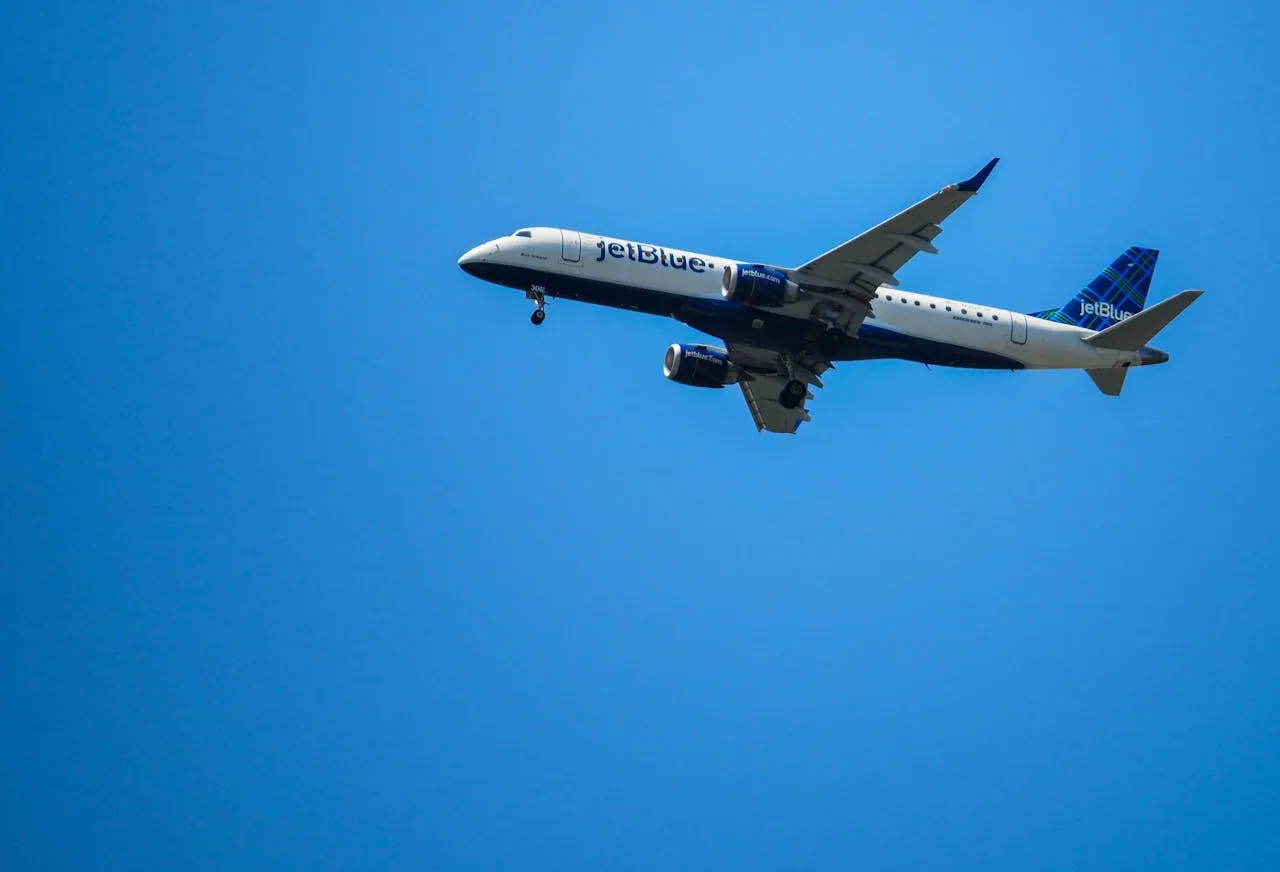
JetBlue Airways has unveiled a striking new aircraft livery named Quisqueya la Bluebella, a vibrant tribute to the Dominican Republic and the millions of Dominicans who have played an important role in the airline’s growth over the past two decades. The special Airbus A320 aircraft was officially introduced at Las Américas International Airport (SDQ) in Santo Domingo during a colorful celebration that brought together customers, government representatives, community leaders, artists, media representatives, and JetBlue crewmembers.
As the largest airline serving the Dominican Republic, JetBlue designed the initiative to honor the nation’s culture, history, artistic expression, and enduring relationship with the carrier. The aircraft’s unique artwork was created by acclaimed Dominican artist Willy Gómez, whose design was selected through a public voting campaign earlier this year. The project represents a significant milestone for JetBlue as it continues strengthening its presence in the Caribbean nation while celebrating the cultural heritage of one of its most important customer communities.
A Special Tribute to Dominican Pride
The aircraft’s name, Quisqueya la Bluebella, is inspired by the beloved Dominican patriotic phrase “Quisqueya la Bella,” which translates to “Beautiful Quisqueya,” a poetic reference to the Dominican Republic. By incorporating JetBlue’s brand identity into the phrase, the airline created a playful yet meaningful symbol that reflects both Dominican pride and the close relationship between the airline and the country.
The unveiling ceremony transformed the airport into a celebration of Dominican culture. Guests were given the opportunity to view the aircraft up close and experience the artistic details that make the livery unique. The event highlighted not only the visual appeal of the aircraft but also the deeper cultural significance behind the design.
JetBlue executives emphasized that the aircraft serves as more than a decorative addition to the airline’s fleet. It is intended to act as a flying ambassador for the Dominican Republic, carrying elements of the nation’s culture and identity to destinations throughout JetBlue’s extensive network.
A Relationship Built Over More Than Two Decades
JetBlue’s connection with the Dominican Republic dates back to 2004 when the airline launched service to Santiago. Since then, the carrier has steadily expanded its operations throughout the country, becoming a leading provider of air travel between the Dominican Republic, the United States, and other Caribbean destinations.
Today, JetBlue serves key Dominican cities including Santo Domingo, Santiago, Punta Cana, and Puerto Plata. Over the years, these routes have helped connect families, support tourism, facilitate business travel, and strengthen cultural ties between communities on both sides of the Caribbean.
Speaking at the unveiling ceremony, JetBlue President Marty St. George reflected on the airline’s long-standing relationship with the country. He noted that the bond between JetBlue and the Dominican community has continued to deepen over the past twenty years and described the new aircraft as a celebration of the pride, passion, and cultural richness that define Dominican identity.
According to St. George, Gómez’s design captured the spirit of the Dominican Republic in a bold and visually compelling way. He praised the artist’s creativity and dedication, emphasizing that the aircraft symbolizes JetBlue’s appreciation for a community that has been instrumental to the airline’s success.
Bringing Dominican Culture to Life Through Art
The aircraft’s design tells a visual story about the Dominican Republic. Through colorful imagery, flowing lines, and dynamic artistic elements, Gómez sought to capture the nation’s energy, resilience, and vibrant culture.
One of the most striking aspects of the livery is its use of movement. Curving patterns and rhythmic forms reflect the influence of merengue and bachata, two musical genres that are deeply woven into Dominican culture. These visual rhythms create the impression that the aircraft itself is dancing across the sky, mirroring the joy and vitality associated with Dominican music.
The design also incorporates bright tropical colors inspired by the Dominican landscape and climate. Warm tones evoke the country’s sunshine, beaches, and welcoming atmosphere, while contrasting hues add depth and excitement to the overall composition.
For Gómez, the project represented an opportunity to share the Dominican Republic’s story with a global audience. He described the artwork as a synthesis of the nation’s culture, environment, and wildlife, all brought together in a way that celebrates the country’s identity while inspiring future generations.
The artist expressed immense pride in being chosen to represent Dominican culture on such a visible platform, calling the project a dream come true and a meaningful bridge connecting Dominicans with people around the world.
Symbolic Elements Embedded Throughout the Aircraft
The Quisqueya la Bluebella livery incorporates numerous cultural and historical references that hold special meaning for Dominicans.
Among the featured elements is the traditional game of dominoes, a cherished social activity enjoyed by families and friends throughout the country. The inclusion of dominoes highlights the importance of community gatherings and shared experiences in Dominican life.
The artwork also showcases traditional musical instruments associated with merengue and bachata, including the tambora, güira, and accordion. These instruments symbolize the sounds and rhythms that have shaped Dominican music and helped make it famous worldwide.
Another notable feature is the Cigüa Palmera, the Dominican Republic’s national bird. Its presence on the aircraft serves as a symbol of national identity and pride.
Floral imagery appears throughout the design as well, representing the country’s rich biodiversity and natural beauty. The colorful flowers add vibrancy while emphasizing the connection between Dominican culture and the surrounding environment.
Historical heritage is represented through the inclusion of the Alcázar de Colón, one of the most iconic landmarks in Santo Domingo and an important symbol of the country’s colonial history.
The design also incorporates palm trees, ocean waves, and coastal imagery that reflect the Dominican Republic’s renowned beaches and maritime traditions. These elements celebrate the landscapes that attract millions of visitors each year while serving as a reminder of the nation’s strong connection to the Caribbean Sea.
Adding a contemporary touch, Gómez integrated modern street-art influences that showcase the creativity and innovation of today’s Dominican artists. This fusion of traditional and contemporary imagery creates a design that honors the past while embracing the future.
“Tamo’ Aquí”: A Message of Presence and Commitment
One of the most meaningful features of the aircraft is the phrase “Tamo’ aquí”, prominently displayed on the belly of the plane.
The expression, which translates to “We’re here,” carries a powerful message. It reflects JetBlue’s ongoing commitment to the Dominican Republic and its people, whether they live on the island or abroad.
For many Dominican travelers, the phrase resonates deeply because it acknowledges the strong bonds that connect the Dominican diaspora with their homeland. It also reinforces JetBlue’s role as a bridge linking families, communities, and opportunities across borders.
As the aircraft travels throughout JetBlue’s network, the message will serve as a visible reminder of the airline’s dedication to serving Dominican customers and supporting the communities that have contributed to its success.
Empowering Dominican Artists and Communities
The aircraft unveiling marks the culmination of JetBlue’s RD Orgullo que Eleva (“DR Pride That Lifts”) campaign, launched earlier this year to celebrate Dominican creativity and cultural pride.
The campaign invited members of the public to participate in selecting the final livery design. Three Dominican artists—Willy Gómez, Los Plebeyos, and Lena Tolkens—submitted original concepts that reflected different interpretations of Dominican identity.
The public voting process allowed customers, aviation enthusiasts, and community members to play a direct role in choosing the design that would ultimately appear on the aircraft. Gómez’s artwork emerged as the winning concept, earning widespread support for its vibrant representation of Dominican culture.
JetBlue viewed the campaign as an opportunity not only to create a special aircraft livery but also to elevate local artistic talent and provide a platform for authentic Dominican voices.
Inspiring the Next Generation
The airline extended the campaign’s impact beyond aviation through a partnership with Centro Educativo Hogar Andres Boca Chica, a community-focused educational organization.
Working alongside students and community members, Gómez led the creation of a mural project designed to inspire young artists and encourage creative expression. The mural became a centerpiece of the unveiling event, demonstrating how art can unite communities and foster cultural pride.
In addition to supporting the artistic initiative, JetBlue made a financial contribution to the organization, helping advance its educational and community development programs.
The partnership reflects the airline’s broader commitment to investing in local communities and creating opportunities for future generations.
Celebrating Dominican Culture Beyond the Island
JetBlue’s celebration of Dominican heritage will continue throughout the summer as the airline serves as an official sponsor of the Dominican Day Parade in New York City.
Scheduled for August 9, the parade is one of the largest celebrations of Dominican culture outside the Dominican Republic and attracts hundreds of thousands of participants and spectators each year.
As part of its sponsorship, JetBlue plans to showcase a parade float inspired by the Quisqueya la Bluebella aircraft design. The float will bring the spirit of the aircraft to New York, home to one of the world’s largest Dominican communities.
The initiative underscores the airline’s recognition of the Dominican diaspora and its important role in shaping cultural and economic connections between the United States and the Caribbean.
Continued Growth in the Dominican Market
JetBlue’s unveiling of Quisqueya la Bluebella comes at a time of continued growth for the airline’s Dominican operations.
During the summer travel season, JetBlue expects to operate approximately 45 daily flights to and from the Dominican Republic, connecting travelers with destinations across the United States and the Caribbean.
The carrier currently offers more routes between the Dominican Republic and the United States than any other airline, reinforcing its position as a leading player in the market.
To meet rising demand, JetBlue recently announced additional daily service from Fort Lauderdale to Santo Domingo and Santiago beginning July 9. These expanded operations are expected to provide travelers with greater flexibility and improved access to key destinations.
Beyond network growth, JetBlue continues supporting local communities through charitable initiatives, educational partnerships, and grants provided by the JetBlue Foundation. These efforts aim to create lasting opportunities for schools, students, and community organizations across the Dominican Republic.
With the launch of Quisqueya la Bluebella, JetBlue has created more than just a visually stunning aircraft. The special livery serves as a flying celebration of Dominican culture, creativity, and resilience while symbolizing the strong connection between the airline and the people it proudly serves. As the aircraft takes flight across the Americas, it will carry with it a vibrant expression of Dominican identity and a reminder of JetBlue’s enduring commitment to the country and its communities around the world.