

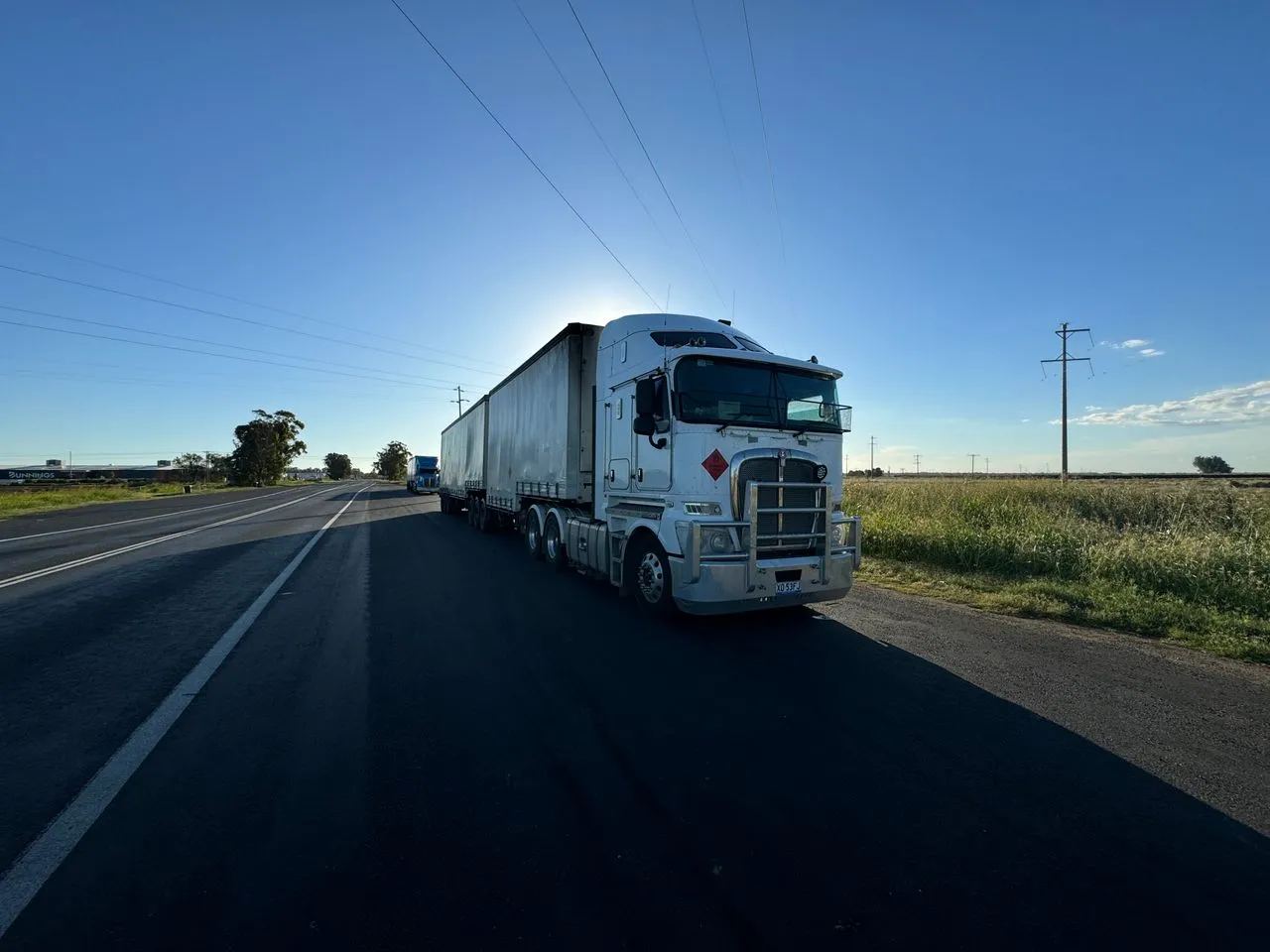
Attorney Gains Firsthand Experience in Commercial Trucking
Understanding the trucking industry often requires more than studying regulations and reviewing accident reports. For DM Injury Law attorney Ryan Watson, gaining a deeper understanding of commercial trucking meant stepping behind the wheel himself.Watson has completed training at Kingdom Trucking Academy and earned a Missouri Class A Commercial Driver’s License (CDL). The qualification gives him firsthand experience with the training, operational requirements, inspections, safety procedures, and responsibilities that professional commercial truck drivers encounter.
The achievement is part of DM Injury Law’s broader approach to handling complex trucking and commercial vehicle accident cases. By experiencing commercial driver training directly, Watson aims to bring additional practical knowledge to cases involving serious and fatal truck crashes.
ruck accident litigation can involve a wide range of technical and regulatory issues. Attorneys may need to examine driver qualifications, vehicle maintenance, hours-of-service requirements, cargo securement, inspection records, company procedures, and other factors that can contribute to a collision. Watson’s CDL training provides him with direct exposure to many of the requirements that commercial drivers must meet.
Understanding the Commercial Trucking Environment
Commercial trucks operate differently from passenger vehicles. Tractor-trailers are larger, heavier, and require specialized skills to maneuver safely. Drivers must also follow requirements that do not generally apply to ordinary motorists.For an attorney representing someone injured in a truck crash, understanding these differences can be important when examining what happened before, during, and after an accident.
Watson said that truck accident litigation presents challenges that differ from other personal injury cases. Commercial vehicles involve sophisticated equipment, specialized operating procedures, and extensive safety requirements. Drivers also make decisions throughout their working day that can have significant consequences for other road users.By completing professional truck-driver training, Watson has gained experience with the practical side of commercial vehicle operation rather than relying solely on legal documents or testimony.
His training included classroom instruction as well as hands-on components associated with operating a commercial vehicle. CDL candidates must demonstrate knowledge and skills related to vehicle operation, inspections, maneuvering, and road driving.
CDL Training Provides Practical Perspective
Obtaining a Class A CDL requires candidates to demonstrate that they can safely operate qualifying commercial vehicles. The process involves multiple stages of preparation and testing.Among the areas addressed during commercial driver training are vehicle inspections, backing maneuvers, road operations, and other skills required to safely operate tractor-trailers.
For Watson, completing this process provides a practical reference point when evaluating trucking accident cases. Understanding how drivers are trained can help provide context when reviewing allegations involving driver behavior, safety procedures, or compliance with commercial vehicle requirements.The experience may also assist in conversations with professional drivers, trucking companies, investigators, and other individuals involved in a commercial vehicle case.Rather than approaching trucking solely from a legal perspective, Watson can now draw on firsthand experience with the operational environment that commercial drivers encounter.
Truck Accident Cases Can Involve Complex Regulations
Commercial trucking cases frequently require examination of federal and state safety requirements. Depending on the circumstances of a collision, an investigation may involve driver qualification standards, hours-of-service rules, vehicle inspections, cargo securement, maintenance records, and other documentation.Hours-of-service requirements are particularly relevant because they govern how long commercial drivers can operate vehicles and when required rest periods must occur. Compliance with these rules is intended to address driver fatigue and promote safety on the road.
Vehicle inspection requirements can also play a significant role. Commercial trucks consist of numerous mechanical systems and components that must be maintained and inspected to remain safe for operation.Cargo is another important consideration. Improperly secured loads can shift during transportation and potentially affect vehicle stability or create hazards for other road users.When a truck collision occurs, attorneys may therefore need to examine a much broader range of evidence than they would in a typical passenger-vehicle accident.
Applying Driver Training to Legal Cases
Watson believes that experiencing commercial driver training firsthand can provide additional perspective when investigating trucking collisions.Understanding how a tractor-trailer responds to steering inputs, braking, backing maneuvers, and other driving situations can help attorneys better understand the circumstances surrounding an accident.
Similarly, learning how professional drivers conduct inspections and prepare vehicles for operation can provide context when reviewing inspection-related evidence.The experience can also help when questioning witnesses or evaluating statements made during litigation. A working knowledge of commercial vehicle operation can make it easier to identify technical issues that may warrant additional investigation.
Watson said his objective in obtaining the CDL was not to pursue a career as a truck driver. Instead, he wanted to understand the professional environment his clients and the drivers involved in their cases experience every day.That approach reflects the firm’s emphasis on preparation and detailed case evaluation.
A Focus on Serious Commercial Vehicle Crashes
DM Injury Law handles personal injury matters involving a variety of accidents and injuries, including truck crashes and other commercial vehicle collisions.Truck accidents can produce serious consequences because of the significant difference in size and weight between commercial trucks and passenger vehicles. Depending on the circumstances, collisions can result in severe injuries, fatalities, property damage, and long-term financial and personal challenges for victims and their families.
Investigating such cases may require attorneys to work with accident reconstruction professionals, medical experts, engineers, trucking specialists, and other professionals.The legal team may also need to examine photographs, video recordings, electronic records, inspection documents, driver records, maintenance information, and other evidence relevant to the collision.Watson’s CDL qualification adds a practical commercial-driving component to his professional experience as he handles these types of cases.
Experience Across the Midwest
Watson represents personal injury clients throughout the Midwest and assists clients through different stages of the legal process. His work includes helping clients pursue claims following serious accidents and injuries.He also works with DM Injury Law’s regional offices and handles technical and complex personal injury matters.
The firm’s work extends across Missouri, Kansas, Oklahoma, Nebraska, and other areas. Its practice includes cases involving automobile accidents, truck accidents, motorcycle crashes, workplace injuries, wrongful death, and other personal injury claims.For individuals involved in serious commercial vehicle collisions, understanding the circumstances of the crash can be a critical part of the legal process.
Commitment to Preparation
Michael DiPasquale, founding partner of DM Injury Law, described Watson’s CDL achievement as an example of the attorney’s approach to case preparation.According to DiPasquale, Watson’s decision to complete truck-driver training reflects his interest in gaining a deeper understanding of the clients and cases he represents.The CDL qualification provides an additional layer of knowledge that can be applied when examining commercial trucking cases. It also demonstrates the importance of understanding the practical environment behind the legal issues presented in a truck accident claim.For a law firm handling technically complex cases, this type of preparation can help attorneys approach evidence and testimony from multiple perspectives.
Bridging Legal Knowledge and Trucking Experience
Truck accident cases sit at the intersection of transportation operations, safety regulations, vehicle technology, and personal injury law.An attorney working on such a case may need to understand how a commercial vehicle was operated, whether required inspections were completed, how cargo was secured, whether the driver met applicable qualifications, and whether operating-hour requirements were followed.
Having direct experience with commercial driver training can provide useful background when examining these questions.Watson’s CDL training does not replace the need for documentary evidence, expert analysis, accident reconstruction, or other investigative work. Instead, it adds practical experience to the legal knowledge required to handle trucking cases.That combination can help an attorney communicate more effectively with commercial drivers and other transportation professionals while reviewing the technical aspects of a collision.
Supporting Truck Accident Victims
For people involved in serious truck crashes, the aftermath can extend well beyond the accident itself. Victims may face medical treatment, rehabilitation, lost income, property damage, and other challenges.Families dealing with fatal commercial vehicle crashes can also face significant emotional and financial consequences.
DM Injury Law represents individuals involved in these types of personal injury matters. The firm says its work is focused on helping injured clients pursue compensation through the legal process.Watson’s decision to obtain a commercial driver’s license adds a transportation-specific qualification to his experience representing clients in trucking cases.By learning the same basic operating environment that professional truck drivers encounter, he has sought to strengthen his ability to examine the facts and technical details surrounding commercial vehicle collisions.
About
Ryan Watson’s completion of commercial driver training and acquisition of a Missouri Class A CDL represents an effort to combine legal experience with firsthand knowledge of commercial trucking.Truck accident cases can involve complicated questions surrounding driver qualifications, vehicle inspections, hours of service, cargo securement, equipment, and road safety. Understanding how commercial drivers are trained and how tractor-trailers are operated can provide additional context when attorneys investigate these issues.
For DM Injury Law, Watson’s CDL qualification adds practical trucking experience to the firm’s work representing victims of truck and commercial vehicle accidents. His approach reflects an emphasis on detailed preparation and understanding the transportation environment behind the cases the firm handles.As commercial vehicles remain an important part of the Midwest transportation and logistics network, accidents involving trucks can raise technical and legal questions that require careful examination. Watson’s experience behind the wheel gives him another perspective when evaluating those cases and working to represent clients affected by serious commercial vehicle crashes.