


Japan Airlines (JAL) has officially commenced construction of a new advanced maintenance facility within the Haneda Airport Maintenance District, marking a significant step in strengthening its in-house aircraft component maintenance capabilities. The new factory will specialize in landing gear and related component overhaul work, with completion targeted for the end of December 2027.
In parallel with the construction project, JAL has established a dedicated real estate management company, Landing Gear Innovation Factory Co., Ltd. (LIF), on June 8, 2026. This newly formed entity will own and manage the property associated with the upcoming facility, supporting the airline’s long-term strategy to modernize and consolidate its maintenance infrastructure.
Through this dual initiative—physical infrastructure development and corporate restructuring—JAL aims to reinforce its position as a global leader in landing gear maintenance while building a next-generation core base capable of meeting rising international demand for aircraft maintenance, repair, and overhaul (MRO) services.
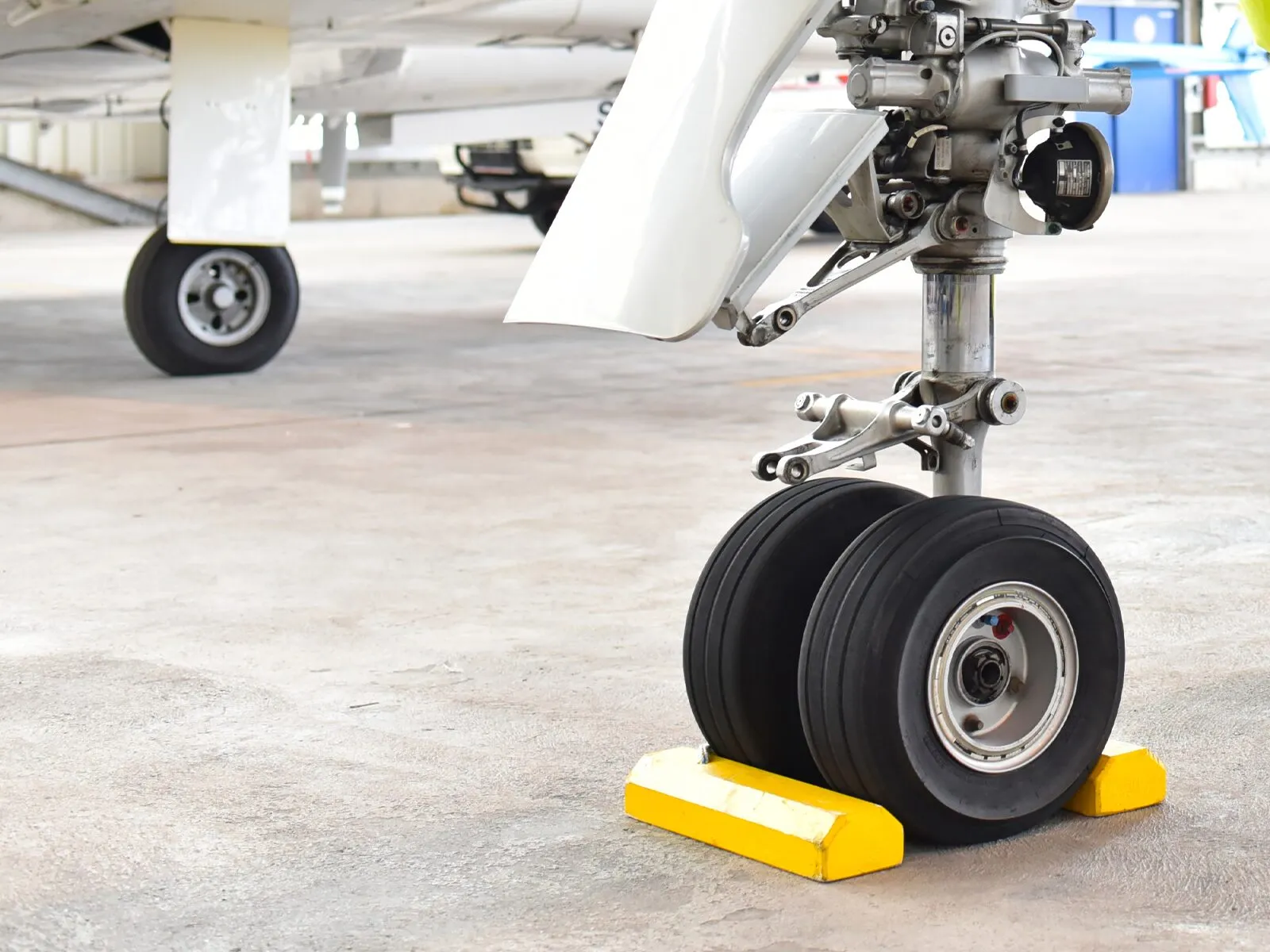
Landing gear is one of the most critical structural systems on an aircraft. Often referred to as the aircraft’s “legs,” it supports the entire weight of the aircraft during takeoff, landing, and taxiing operations. Due to the extreme mechanical stress it endures, landing gear requires periodic and highly complex overhaul maintenance to ensure continued safety and reliability.
At JAL’s new Haneda facility, overhaul maintenance—commonly referred to as gear maintenance—will be performed on a large scale. This process typically occurs approximately every 10 years for each aircraft landing gear set. It involves complete disassembly of the landing gear from the aircraft and a full inspection, repair, and restoration cycle before reinstallation.
The overhaul process demands a high degree of technical sophistication, including specialized industrial techniques such as plating, next-generation thermal spraying, precision painting, advanced surface treatment, and non-destructive inspection (NDI) technologies. These capabilities are essential for restoring components to strict aviation safety standards while ensuring long-term operational durability.
By consolidating these capabilities into a single modern facility, JAL is aiming to significantly enhance efficiency, reduce turnaround times, and improve overall quality control across its maintenance operations.
Japan Airlines has been engaged in large aircraft landing gear maintenance for more than half a century. Over this period, the airline has developed into one of the world’s leading providers of landing gear maintenance services, building deep technical expertise and a strong reputation in the global aviation industry.
The new Haneda facility represents the next stage in this evolution. It will not only centralize functions that are currently dispersed across multiple sites but also introduce advanced automation and labor-saving systems designed to improve productivity and consistency in maintenance processes.
Importantly, the facility will also incorporate new-generation equipment and technologies that are being introduced in Japan for the first time. These innovations are expected to play a key role in enhancing precision manufacturing and inspection processes while reducing human workload in highly repetitive or physically demanding tasks.
A major objective of the new factory is the consolidation of existing maintenance functions. By bringing multiple processes under one roof, JAL intends to streamline operations, improve workflow efficiency, and optimize the use of technical resources.
This centralized approach is expected to reduce logistical complexity and improve coordination between different stages of the maintenance cycle. It will also allow for more integrated quality control systems, ensuring that every stage of the overhaul process meets consistent and globally competitive standards.
The introduction of automated systems will further support this transformation. Robotics, digital monitoring systems, and smart manufacturing tools are expected to play a growing role in inspection and production processes, helping to reduce human error and improve operational safety.
In addition to operational improvements, JAL has emphasized the environmental objectives of the new facility. The factory is being designed as an eco-friendly building, reflecting the company’s broader commitment to reducing the environmental impact of its operations.
Key sustainability initiatives include energy-efficient facility design, reduced resource consumption, and environmentally responsible industrial processes. By incorporating modern building technologies and sustainable engineering practices, the facility aims to minimize its carbon footprint while maintaining high industrial performance standards.
This focus on environmental responsibility aligns with global aviation industry trends, where sustainability and emissions reduction are becoming increasingly important priorities for airlines and maintenance providers alike.
Another central pillar of the initiative is the development and preservation of technical expertise within Japan Airlines. The company has identified the succession of specialized skills as a key strategic challenge, particularly in highly technical fields such as landing gear overhaul maintenance.
The new facility is expected to serve as a training and knowledge transfer hub, where experienced engineers can pass down critical skills to younger generations of maintenance personnel. This structured approach to human resource development is intended to ensure continuity in technical excellence and reduce the risk of knowledge loss due to workforce aging.
By integrating advanced systems with hands-on training environments, JAL aims to create a workplace where human expertise and modern technology work in tandem. This will help build a new generation of highly skilled aviation engineers capable of meeting evolving industry demands.
While the new factory represents a major infrastructure investment, actual maintenance operations will continue to be primarily carried out by JAL Engineering Co., Ltd. (JALEC), the JAL Group company responsible for aircraft maintenance services.
JALEC will operate in close coordination with both Japan Airlines and Landing Gear Innovation Factory Co., Ltd., ensuring seamless integration between operational maintenance work and facility management. This collaborative structure is designed to maximize efficiency while maintaining the highest standards of safety and reliability.
Together, these entities will form a unified maintenance ecosystem that supports not only the JAL Group’s fleet but also contributes to broader global aviation safety and operational standards.
The development of the new landing gear maintenance factory is also expected to have broader implications for Japan’s aviation industry. By enhancing domestic maintenance capabilities and introducing advanced technologies, JAL is helping strengthen Japan’s position in the global MRO market.
As demand for aircraft maintenance continues to grow worldwide—driven by expanding air travel, fleet modernization, and aging aircraft fleets—advanced MRO capabilities are becoming increasingly strategic assets for airlines and aviation hubs.
The Haneda facility is expected to play a key role in supporting both domestic and international maintenance demand, reinforcing Japan’s role as a competitive player in the global aviation maintenance sector.
The construction of the new landing gear maintenance factory represents a long-term strategic investment by Japan Airlines in safety, efficiency, and technological advancement. By combining decades of experience with cutting-edge innovation, the airline is positioning itself to meet the evolving needs of the global aviation industry.
Once operational, the facility will serve as a cornerstone of JAL’s maintenance network, supporting aircraft reliability and safety while contributing to the continued development of aviation engineering capabilities in Japan.
Through the integration of advanced technology, environmental responsibility, and human resource development, Japan Airlines is laying the foundation for a next-generation maintenance ecosystem that will support global aviation operations for decades to come.
Source link: https://press.jal.co.jp/