


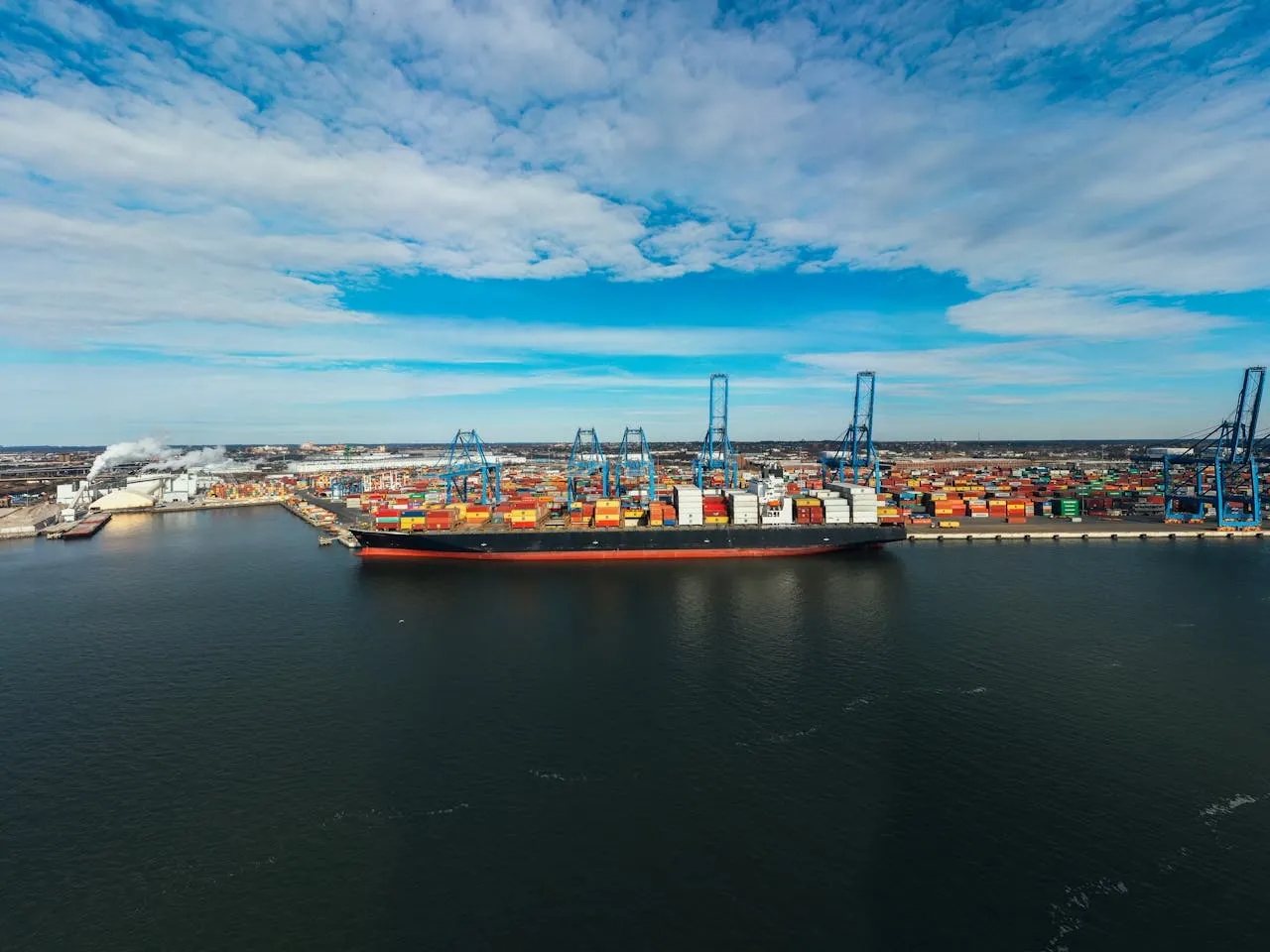
On Thursday, May 21, the Port Commission of the Port of Houston Authority convened for its regular monthly meeting, where officials outlined continued progress across the Houston Ship Channel and reviewed a wide range of strategic initiatives aimed at strengthening infrastructure, enhancing operational efficiency, and supporting the long-term competitiveness of one of the United States’ most critical maritime gateways.
The meeting underscored Port Houston’s ongoing commitment to expanding capacity, improving navigational safety, and reinforcing its role as a central hub in global energy and cargo trade. Commissioners and executive leadership also emphasized workforce development, stakeholder engagement, and continued collaboration with local, state, and federal partners to ensure the region’s maritime ecosystem remains resilient and future-ready.
Port Commission Chairman Ric Campo opened the meeting by acknowledging the importance of workforce development in sustaining the long-term growth of the maritime sector. He highlighted the success of local education and training initiatives, noting that 100 maritime program graduates were produced this year across five high schools within several independent school districts in the Houston region.
This milestone reflects the continued expansion of career pathways into maritime and logistics industries, which are essential to supporting the Houston Ship Channel’s operations and broader Gulf Coast supply chain infrastructure. Chairman Campo emphasized that cultivating a skilled workforce is not only a regional priority but also a national imperative, given the strategic role of maritime commerce in supporting energy exports, manufacturing supply chains, and international trade flows.
In recognition of National Maritime Day, observed on May 22, Campo also paid tribute to the men and women who work across the marine transportation system. He highlighted the essential role of seafarers, dockworkers, pilots, engineers, and logistics professionals who ensure the continuous movement of cargo through the Houston Ship Channel, which remains one of the busiest waterways in the world.
Their contributions, he noted, extend far beyond the region, supporting global commerce and reinforcing the United States’ position in international trade networks. The recognition served as a reminder of the human capital behind the port’s operational success and the importance of continued investment in workforce training programs.
During the meeting, both Chairman Campo and Port Houston Chief Executive Officer Charlie Jenkins reiterated the port’s role as a leading advocate for the broader Houston port region. They provided an overview of recent discussions held with elected officials and industry stakeholders, focusing on the policy and infrastructure needs required to sustain long-term growth.
Jenkins noted that these meetings have increasingly centered on a set of interconnected priorities that extend beyond traditional permitting and regulatory issues. According to him, key discussion points included the need for sustained investment in the Houston Ship Channel and associated inland waterways, as well as improvements to surrounding road and transportation infrastructure that support cargo movement to and from port facilities.
He also highlighted the importance of advancing major regional initiatives such as the Coastal Texas Project, which aims to strengthen coastal resilience and reduce the risk of storm surge impacts across the Gulf Coast. In addition, Jenkins emphasized the critical role of Texas energy exports in both the global economy and U.S. economic security, noting that efficient port operations are essential to maintaining the country’s leadership in energy production and distribution.
Another major topic of discussion was the modernization of vessel traffic service systems, which are essential for ensuring safe and efficient navigation along the Houston Ship Channel. Jenkins stressed that continued investment in these systems is necessary to accommodate increasing vessel traffic, larger ship sizes, and evolving safety requirements in a complex maritime environment.
Together, these priorities reflect Port Houston’s broader mission of balancing economic expansion with safety, environmental stewardship, and infrastructure resilience.
A significant portion of the meeting focused on operational updates, including cargo and vessel activity across the Houston Ship Channel. The channel, which serves more than 200 private terminals in addition to Port Houston’s eight public terminals, continues to demonstrate strong performance despite global supply chain fluctuations and shifting trade patterns.
Officials reported that vessel activity along the channel has increased by approximately 5% compared to the previous year. This growth brings vessel arrival volumes back in line with levels last observed in 2019, signaling a sustained recovery and expansion in maritime traffic following pandemic-era disruptions.
However, the most notable trend highlighted during the update was the substantial increase in cargo throughput relative to vessel counts. First-quarter tonnage has risen by 27% compared to the first quarter of 2019, indicating that the channel is handling significantly more cargo per vessel than in previous years.
This increase has been attributed to a combination of factors, including the deployment of larger vessels, improved terminal efficiency, and the ongoing benefits of infrastructure enhancements associated with the Project 11 expansion initiative. Project 11, which focuses on widening and deepening the Houston Ship Channel, has enabled safer navigation for larger ships while improving overall throughput capacity and reducing operational bottlenecks.
Port officials noted that these improvements allow the port to move more goods with the same number of vessel calls, thereby increasing efficiency and competitiveness without proportionally increasing congestion or environmental impact. The ability to accommodate larger vessels also strengthens Houston’s position as a leading gateway for energy products, petrochemicals, manufactured goods, and containerized cargo.
Throughout the meeting, commissioners and leadership emphasized that continued infrastructure investment remains essential to sustaining this growth trajectory. The Houston Ship Channel serves as a critical artery for both domestic and international trade, and its efficiency directly impacts supply chains across multiple sectors, including energy, manufacturing, agriculture, and consumer goods.
Officials reiterated the importance of ongoing federal, state, and local collaboration to fund and execute major infrastructure projects. These include channel improvements, road and rail connectivity enhancements, port facility modernization, and technology upgrades aimed at improving safety and operational visibility.
Port leadership also emphasized that infrastructure development is not solely about expansion but also about resilience. With increasing exposure to severe weather events and rising global trade demands, investments in coastal protection and system redundancy are seen as essential to ensuring uninterrupted port operations in the decades ahead.
The May 21 Port Commission meeting highlighted a period of steady growth and strategic advancement for the Port of Houston and the Houston Ship Channel. From workforce development initiatives and infrastructure expansion to rising cargo volumes and policy advocacy, the port continues to position itself as a vital engine of regional and national economic activity.
As vessel traffic increases and cargo throughput reaches new levels of efficiency, Port Houston’s leadership remains focused on ensuring that infrastructure keeps pace with demand while maintaining safety, sustainability, and long-term resilience. With continued investment and collaboration, the Houston Ship Channel is expected to maintain its role as one of the most important maritime corridors in the United States and the global trade system.
Source link: https://www.businesswire.com/