


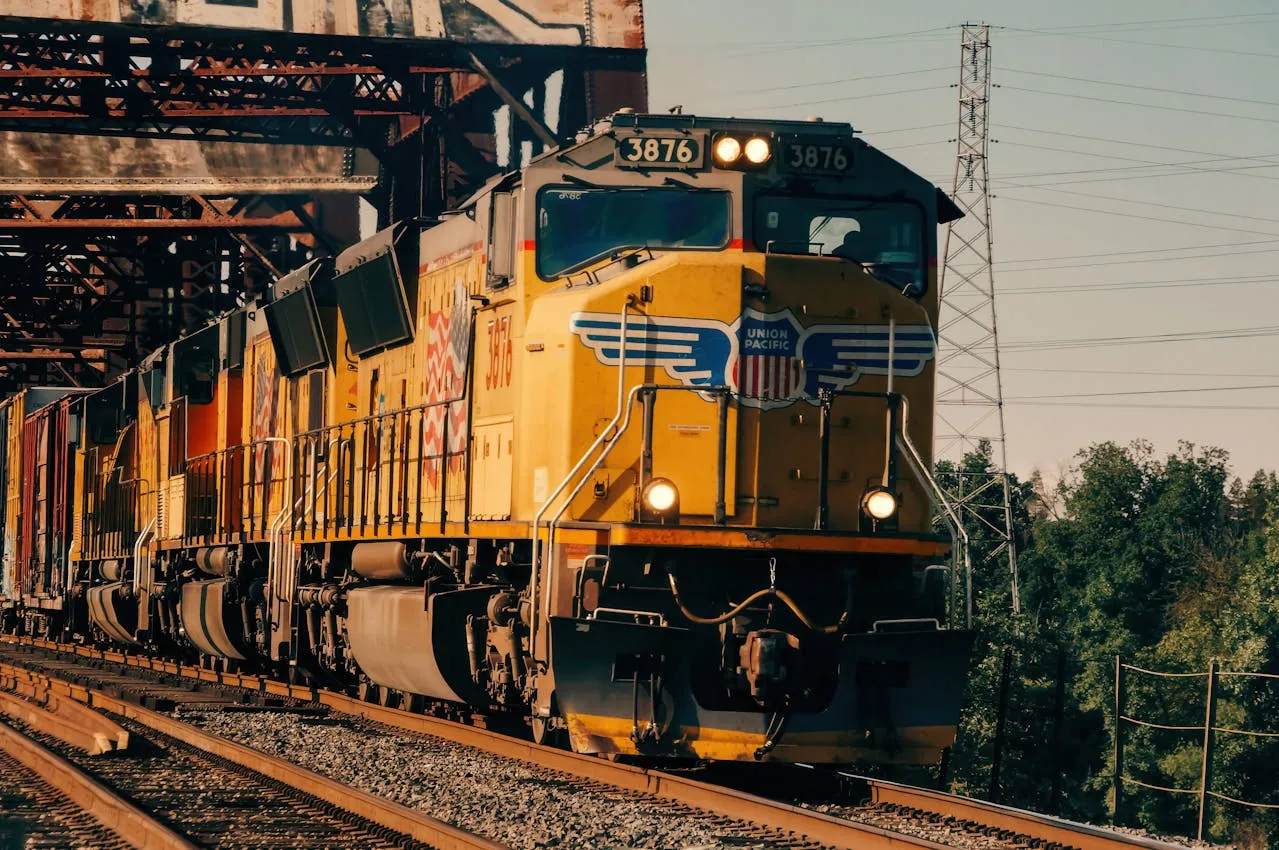
Union Pacific Railroad has recognized 138 companies with its prestigious 2025 Pinnacle Award, celebrating their outstanding commitment to the safe transportation of chemicals and other regulated hazardous materials by rail. The annual recognition program highlights customers that have demonstrated exceptional safety performance through proactive risk management, release prevention measures, and flawless shipment records throughout the year.
The Pinnacle Award is one of Union Pacific’s most respected customer recognitions, reserved for organizations that meet stringent safety standards while transporting hazardous materials across the railroad’s extensive network. To qualify, companies must implement robust release prevention protocols, maintain effective corrective action plans, and achieve zero non-accident releases involving regulated hazardous materials shipments.
By honoring these companies, Union Pacific underscores the importance of collaboration between rail carriers and shippers in maintaining one of the safest freight transportation systems in the world.
Union Pacific Executive Vice President of Marketing and Sales Kenny Rocker praised the award recipients for their dedication to operational excellence and community protection.
“Congratulations to our Pinnacle Award recipients, who set the standard for safely shipping hazardous materials,” Rocker said. “Safety is a shared responsibility, and these customers show a strong commitment to protecting communities while keeping the rail network moving safely.”
His remarks reflect the critical role that rail customers play in ensuring hazardous materials are handled responsibly at every stage of the supply chain. From loading and packaging to documentation, routing, and final delivery, safe transportation requires close coordination among manufacturers, shippers, rail operators, and receiving facilities.
The Pinnacle Award winners have proven that safety leadership is not limited to railroad operations alone—it also depends on the diligence and preparedness of the companies that rely on rail transportation for essential products.
Hazardous materials are a vital component of modern industry and everyday life. Chemicals moved by rail are used in agriculture, energy production, manufacturing, water treatment, healthcare, and countless consumer products.
These materials can include:
Because many of these products require specialized handling, transportation safety is paramount. Railroads invest heavily in infrastructure, technology, inspection systems, employee training, and emergency preparedness to ensure these shipments move securely.
Union Pacific’s Pinnacle Award recipients represent companies that have embraced the same high standards, helping create a safer transportation ecosystem across North America.
Freight rail remains one of the most efficient and safest ways to move hazardous materials over long distances. According to industry statistics, 99.99% of hazardous materials shipments moved by U.S. freight railroads reach their destinations safely.
This impressive safety performance reflects decades of continuous improvement across the rail industry. Carriers like Union Pacific have modernized track infrastructure, enhanced monitoring systems, introduced advanced inspection technologies, and strengthened operating procedures.
Compared with highway transport, rail can move large volumes of material with fewer emissions, reduced congestion, and lower accident exposure per ton-mile. For many chemical producers and industrial shippers, rail is a critical mode of transport that combines efficiency with dependable safety performance.
Union Pacific’s recognition of its top-performing customers helps reinforce those standards and encourages further industry progress.
Receiving the Pinnacle Award requires more than simply completing shipments without incident. Companies must demonstrate a comprehensive safety culture supported by measurable systems and best practices.
Key criteria include:
Recipients must complete the year without non-accident releases of regulated hazardous materials. This means no unintended product discharges caused by handling issues, equipment defects, loading errors, or procedural failures.
Award-winning companies must maintain preventive systems designed to minimize risk before shipments enter the rail network. These can include tank car inspections, valve checks, loading verification processes, seal integrity programs, and employee training.
Strong organizations continuously evaluate operations and respond quickly to identified risks. Pinnacle Award recipients must maintain effective corrective action plans to address vulnerabilities and improve future performance.
Successful customers work closely with Union Pacific teams on safety training, communication, and operational alignment. This partnership approach helps identify potential issues early and maintain consistent standards.
A key reason for Union Pacific’s strong hazmat performance is its dedicated Hazardous Materials Safety team, which works directly with customers across the railroad’s 23-state network.
The team supports shippers through training programs, inspections, emergency readiness planning, and ongoing collaboration. Specialists are positioned regionally to provide local expertise and rapid assistance when needed.
Union Pacific’s hazardous materials strategy is built around a four-prong mission:
Preventing incidents before they occur is the foundation of rail safety. Union Pacific works with customers to identify risks in loading procedures, tank car conditions, securement methods, and documentation processes.
Advanced technologies such as wayside detectors, automated inspections, and predictive maintenance systems also help reduce equipment-related risks.
Preparedness ensures employees, customers, and first responders are ready to act if an incident occurs. Union Pacific supports training exercises, emergency planning, and communication systems designed to strengthen readiness across its service territory.
In the event of an emergency, rapid response is essential. Union Pacific maintains specialized teams and resources capable of responding quickly to hazardous materials incidents, coordinating with local agencies and public safety officials.
After an incident, restoring operations safely while protecting the environment and surrounding communities is the final priority. Recovery planning includes cleanup, repairs, investigation, and implementation of lessons learned.
Awards like the Pinnacle Award do more than celebrate past performance—they drive future improvement. Public recognition encourages companies to invest in training, modern equipment, compliance systems, and operational discipline.
They also create benchmarks for the broader shipping community, demonstrating what high performance looks like in hazardous materials transportation.
When customers compete to achieve the Pinnacle Award standard, the entire supply chain benefits through:
For Union Pacific, recognizing excellence is part of a larger strategy to strengthen safety culture across all stakeholders.
Union Pacific operates one of the largest freight rail systems in the United States, serving 23 states and connecting major industrial centers, ports, agricultural regions, and manufacturing hubs.
Because hazardous materials move through thousands of communities, public trust is essential. Residents expect railroads and shippers to transport these products responsibly, maintain infrastructure, and prepare for emergencies.
The Pinnacle Award recipients help reinforce that trust by demonstrating a commitment to protecting neighborhoods, waterways, businesses, and public spaces along rail corridors.
Safe transportation is not only a business requirement—it is a social responsibility.
As industrial demand grows and supply chains become more complex, the need for dependable hazardous materials transportation continues to rise. Energy transition projects, advanced manufacturing, agriculture, and chemical production all depend on secure freight movement.
Union Pacific and its customers are adapting through:
The companies honored with the 2025 Pinnacle Award represent leaders in this next generation of supply chain safety.
Union Pacific’s recognition of 138 companies with the 2025 Pinnacle Award sends a clear message: excellence in hazardous materials shipping requires vigilance, accountability, and partnership.
By achieving zero non-accident releases and maintaining rigorous prevention systems, these companies have demonstrated what is possible when safety becomes a core operational value.
As freight demand evolves and industries continue to depend on rail transportation, Union Pacific’s collaborative approach with customers will remain essential. Through shared responsibility and continued investment in prevention, preparedness, response, and recovery, the railroad and its partners are helping ensure hazardous materials reach their destinations safely—every tank car, every day.
Source link: https://www.businesswire.com/