

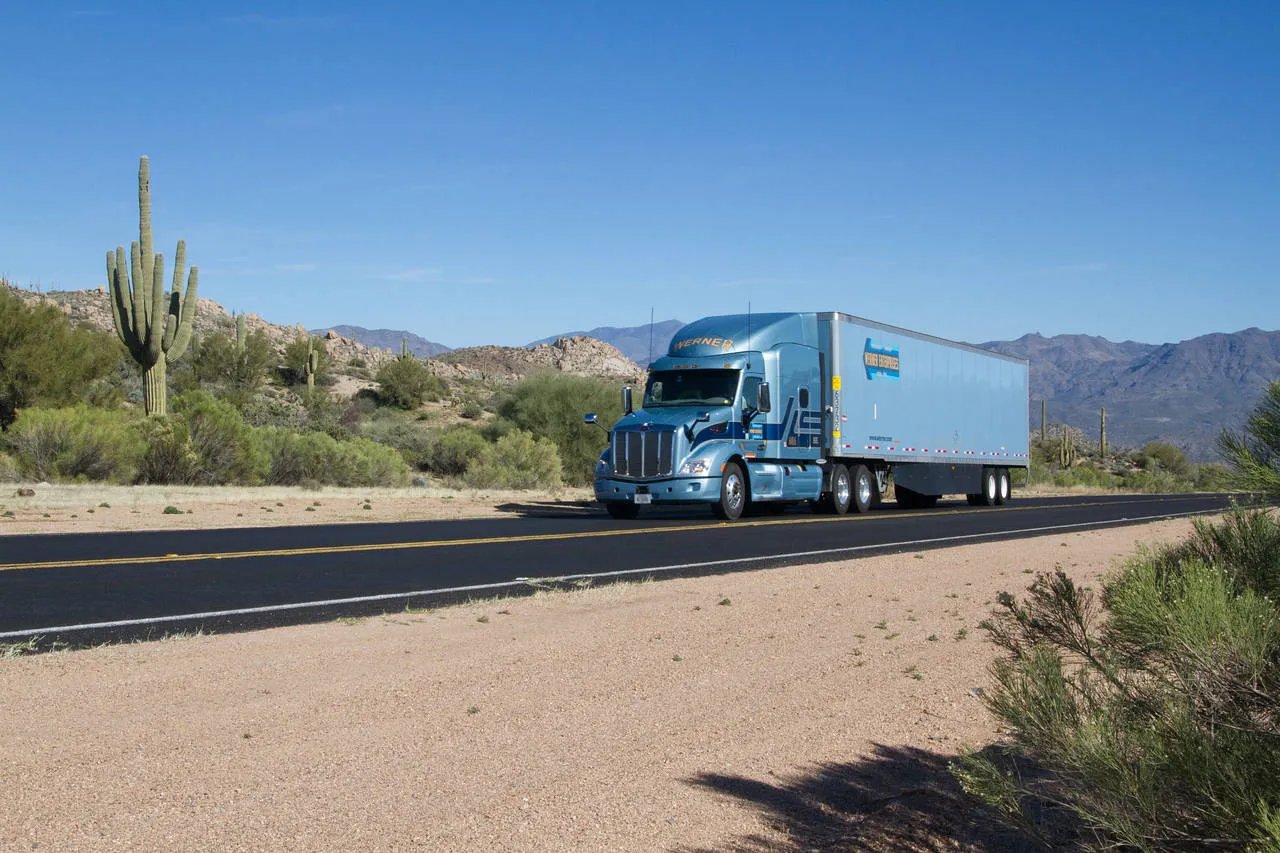
Werner Enterprises Recognized as a 2026 Top Green Fleet for Leadership in Sustainable Transportation
Werner Enterprises, one of North America’s leading transportation and logistics providers, has been recognized as a 2026 Top Green Fleet by Heavy Duty Trucking, earning one of the industry’s most respected honors for environmental stewardship and sustainable fleet operations. The recognition underscores Werner’s continued efforts to reduce emissions, improve fuel efficiency, and implement innovative technologies that support a cleaner and more sustainable future for freight transportation.
The latest award marks the fifth time since 2020 that Werner has been included among Heavy Duty Trucking’s Top Green Fleets, highlighting the company’s long-term commitment to sustainability and its ability to consistently deliver measurable environmental improvements across its operations. As the transportation industry faces increasing pressure to reduce its environmental impact, Werner’s recognition demonstrates how strategic investments in technology, equipment, and operational efficiency can help achieve meaningful progress toward sustainability goals.
Industry Recognition for Environmental Excellence
Heavy Duty Trucking’s Top Green Fleets program recognizes a select group of transportation companies that are leading the industry in environmental performance and sustainability initiatives. Each year, participating fleets are evaluated based on a comprehensive set of criteria that examines how effectively they are reducing emissions and improving operational efficiency.
The evaluation process considers several factors, including the adoption of alternative fuels, deployment of advanced vehicle technologies, improvements in fuel economy, optimization of transportation networks, development of environmentally friendly facilities, and the implementation of long-term sustainability strategies. The program aims to highlight fleets that are not only experimenting with green technologies but are also integrating sustainability into their overall business models.
Werner’s inclusion on the 2026 list reflects its comprehensive approach to environmental responsibility, which combines advanced equipment, data-driven operational practices, and collaborative partnerships with customers to reduce the carbon footprint of freight transportation.
Building a Sustainable Transportation Framework
Sustainability has become an increasingly important priority across the global transportation and logistics sector. With freight transportation accounting for a significant share of greenhouse gas emissions, carriers are under growing pressure from customers, regulators, investors, and communities to reduce their environmental impact.
Werner has responded to these challenges by developing a sustainability framework designed to deliver long-term environmental improvements while maintaining the reliability and efficiency customers expect from its transportation services.
According to Chad Dittberner, Werner’s Senior Vice President of Equipment Operations & Innovation, the recognition validates the company’s ongoing efforts to address transportation-related emissions through both innovation and operational excellence.
“We are honored to be included among this prestigious list of 20 companies actively finding solutions for the transportation industry’s carbon impacts,” Dittberner said. “This award from Heavy Duty Trucking validates our efforts as we build a scalable sustainability framework. Werner continues to lean into both advanced technology and operational basics—optimizing routing, testing innovative equipment and engaging our drivers—to reduce our carbon footprint while providing exceptional service to our customers.”
His comments reflect Werner’s philosophy that sustainability is not dependent on a single technology or initiative. Instead, the company believes meaningful environmental progress comes from combining multiple approaches that collectively improve efficiency and reduce emissions across every aspect of fleet operations.
Ambitious Emissions Reduction Goals
At the center of Werner’s sustainability strategy is a commitment to significantly reduce greenhouse gas emissions over the coming decade. The company has established a goal of reducing carbon dioxide emissions by 55 percent by 2035, a target that aligns with broader industry efforts to support global climate objectives.
Achieving such a substantial reduction requires a combination of technological innovation, operational improvements, and ongoing investment in new transportation solutions. Werner recognizes that there is no one-size-fits-all approach to decarbonizing freight transportation, which is why the company continues to explore a wide range of solutions that can contribute to lower emissions.
These efforts include testing emerging vehicle technologies, evaluating alternative energy sources, and implementing operational strategies that improve fuel efficiency across its fleet. By taking a diversified approach, Werner aims to identify the most effective solutions for reducing emissions while maintaining service reliability and economic viability.
Testing Next-Generation Truck Technologies
One of the key pillars of Werner’s sustainability strategy involves actively piloting and evaluating advanced truck technologies. As the commercial vehicle industry continues to develop new powertrain options and cleaner transportation solutions, Werner has positioned itself at the forefront of testing and adoption efforts.
The company regularly evaluates sustainable truck models and alternative energy technologies to determine their practicality, performance, and environmental benefits in real-world freight operations. These pilot programs provide valuable data that helps Werner understand how emerging technologies can be integrated into its broader fleet strategy.
By participating in these evaluations, Werner gains insights into vehicle performance, infrastructure requirements, operational challenges, and potential emissions reductions. The company can then use this information to make informed decisions regarding future investments and fleet modernization initiatives.
This proactive approach allows Werner to remain adaptable as transportation technologies continue to evolve and new opportunities emerge for reducing environmental impact.
Data-Driven Efficiency Improvements
While advanced technologies often receive significant attention, Werner emphasizes that operational efficiency remains one of the most effective tools for reducing emissions today.
The company utilizes sophisticated data analytics and operational management systems to improve route planning, reduce fuel consumption, and maximize overall fleet efficiency. These data-driven strategies help identify opportunities to eliminate unnecessary mileage and improve asset utilization.
A major focus area is reducing so-called “deadhead” miles—instances when trucks travel without carrying freight. Deadhead miles generate fuel consumption and emissions without producing revenue or delivering customer value. By minimizing these non-billable miles, Werner can improve operational efficiency while simultaneously reducing its environmental footprint.
Advanced routing technologies also help optimize transportation networks by identifying the most efficient routes, reducing travel distances, and minimizing time spent in traffic congestion. These improvements contribute to lower fuel consumption and reduced greenhouse gas emissions throughout the company’s operations.
Reducing Engine Idling and Fuel Consumption
Another important component of Werner’s sustainability efforts involves reducing engine idling, which can significantly contribute to unnecessary fuel consumption and emissions.
Long-haul trucking operations often require drivers to spend extended periods in their vehicles during rest breaks and overnight stops. Traditionally, truck engines might remain running during these periods to provide heating, cooling, and electrical power.
To address this challenge, Werner has invested in technologies designed to minimize idling while maintaining driver comfort and operational efficiency. These solutions include low-idle auxiliary power units and lithium battery hoteling systems that provide power for cab amenities without requiring the truck’s primary engine to remain running.
By reducing idle time, these technologies help decrease fuel consumption, lower emissions, and reduce engine wear, creating environmental and economic benefits simultaneously.
Aerodynamic Enhancements and Equipment Optimization
Werner also continues to refine equipment specifications to improve fuel efficiency and reduce emissions. Aerodynamic improvements represent one of the most practical and effective methods for lowering fuel consumption in long-haul trucking operations.
The company evaluates and incorporates aerodynamic features that reduce wind resistance and improve vehicle performance at highway speeds. These enhancements can contribute to meaningful fuel savings across large fleets operating millions of miles annually.
In addition to aerodynamic improvements, Werner continually reviews equipment configurations and specifications to identify opportunities for efficiency gains. These efforts ensure that sustainability initiatives are integrated into everyday fleet management decisions and contribute to measurable environmental outcomes.
Supporting Customers’ Sustainability Objectives
As environmental reporting requirements continue to evolve, many companies are paying closer attention to emissions throughout their supply chains. In particular, Scope 3 emissions—which include indirect emissions generated by transportation providers and other supply chain partners—have become an important focus for organizations seeking to meet sustainability targets.
Recognizing this growing demand, Werner has expanded its efforts to help customers better understand and manage transportation-related emissions. The company provides data, insights, and collaborative solutions that support customers’ sustainability initiatives while maintaining supply chain performance.
Through these partnerships, Werner helps shippers identify opportunities to improve transportation efficiency, reduce emissions, and enhance environmental reporting capabilities. This collaborative approach enables customers to make informed decisions that support both operational and sustainability objectives.
By aligning environmental responsibility with business performance, Werner is helping demonstrate that sustainability and profitability can work together rather than compete against one another.
Werner’s recognition as a 2026 Top Green Fleet reflects years of sustained effort to advance environmental responsibility across its transportation and logistics operations. From testing innovative truck technologies and alternative energy solutions to improving routing efficiency and reducing idle time, the company continues to pursue practical strategies that deliver measurable environmental benefits.
As the freight industry moves toward a lower-carbon future, Werner remains focused on achieving its ambitious emissions reduction goals while supporting customers, drivers, and stakeholders through a comprehensive sustainability strategy.
The company’s fifth Top Green Fleet honor since 2020 serves as a testament to its ongoing commitment to innovation, operational excellence, and environmental stewardship. By combining advanced technology with disciplined execution and data-driven decision-making, Werner continues to demonstrate how large transportation providers can play a meaningful role in reducing the environmental impact of freight movement while maintaining the high level of service that modern supply chains require.
Source link: https://www.businesswire.com/