

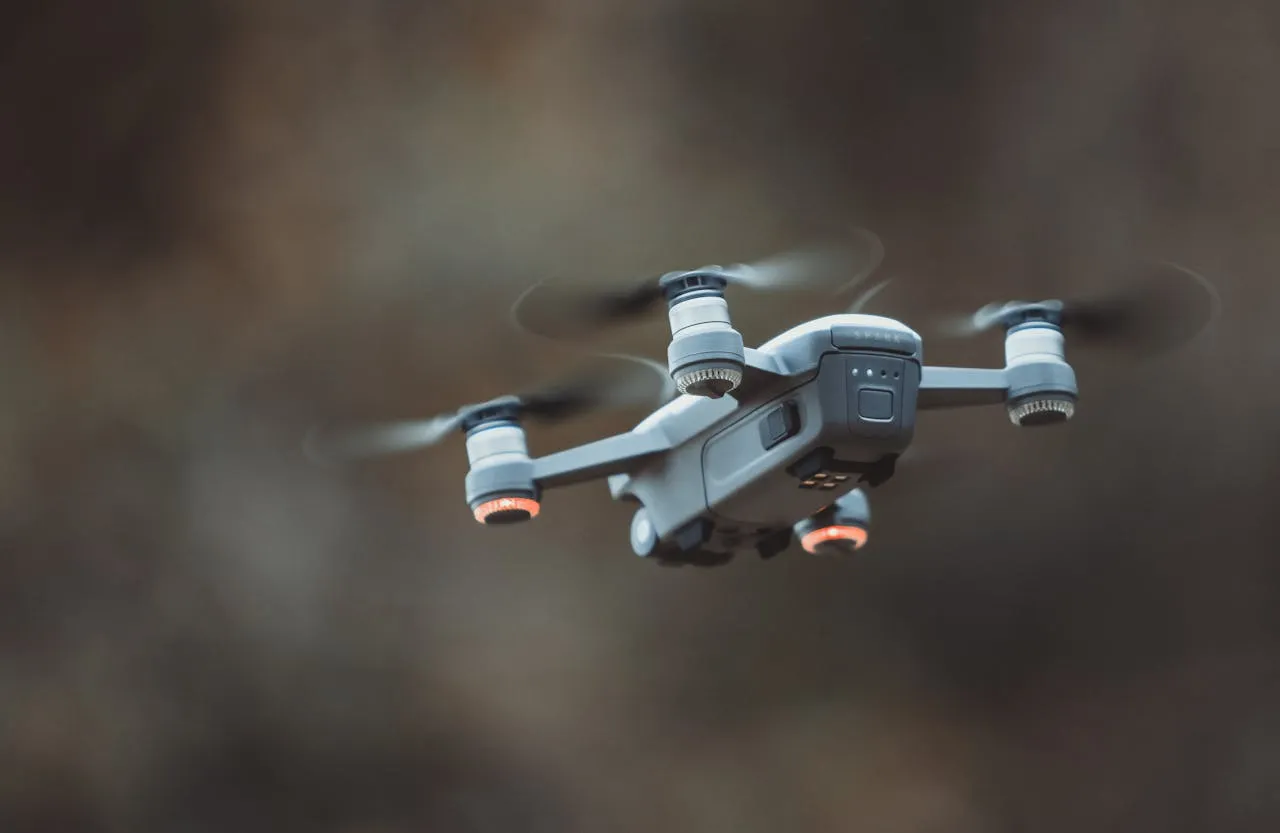
Matternet and Amprius Partner to Advance Drone Delivery Through High-Energy Battery Innovation
Matternet, a leading drone delivery technology company and the only operator with FAA Type Certification for an unmanned aerial delivery system, and Amprius Technologies, Inc., a developer of advanced lithium-ion batteries using high-performance silicon anode technology, have announced a strategic collaboration aimed at significantly enhancing the performance, efficiency, and commercial scalability of autonomous aerial delivery systems.
The partnership centers on integrating Amprius’ high-energy-density battery cells into Matternet’s drone platforms, beginning with its M2 aircraft and extending toward future-generation systems currently under development. By combining Matternet’s proven urban drone delivery network with Amprius’ next-generation battery innovation, the two companies aim to improve key operational metrics such as range, payload capacity, charging speed, fleet utilization, and ultimately the cost per delivery.
As the use of autonomous aerial systems evolves from experimental deployments to real-world commercial infrastructure, both companies emphasize that battery technology is becoming one of the most critical enabling factors in the expansion of drone-based logistics. In this emerging “physical AI” landscape—where intelligent, electric, autonomous aircraft are increasingly responsible for moving goods through complex urban environments—battery performance is no longer just a component specification, but a foundational driver of system design and economic viability.
Battery Technology as a Core Enabler of Drone Logistics
In traditional aviation and emerging drone logistics networks alike, energy storage plays a defining role in shaping operational capabilities. For small electric aircraft, battery characteristics directly influence how far a drone can fly, how much payload it can carry, how quickly it can return to service, and how efficiently a delivery network can scale.
Matternet has positioned its operations around tightly integrated urban delivery networks where aircraft performance translates directly into service coverage and operational economics. Within this model, incremental improvements in battery performance can have outsized effects on system efficiency. Longer flight ranges allow for expanded service zones without additional infrastructure. Faster charging cycles increase aircraft utilization rates, allowing each drone to complete more deliveries per day. Reduced battery weight enables higher payload capacity, which improves per-flight revenue potential.
Against this backdrop, Amprius’ silicon anode battery technology offers a significant step forward. The company’s cells are designed to achieve up to twice the energy density of conventional graphite-based lithium-ion batteries. This increase in energy density is particularly important in aviation applications, where every gram of weight has a direct impact on flight range, endurance, and energy efficiency.
Strategic Collaboration for Next-Generation Drone Platforms
Under the collaboration, Amprius’ high-performance cells are already being deployed in Matternet’s M2 drone fleet, marking an early phase of integration between the two companies. The M2 platform, widely recognized for its role in medical and on-demand logistics deliveries in urban environments, serves as a foundational system for Matternet’s current commercial operations.
The next phase of the partnership extends beyond deployment into co-engineering and system-level optimization. Rather than focusing solely on individual battery cell performance, Matternet and Amprius will collaborate to fine-tune a broader set of parameters that directly influence operational outcomes. These include cell configuration, form factor design, thermal management systems, charging rates, cycle life optimization, and integration with aircraft architecture.
The objective is to align battery design not only with technical performance metrics, but also with the real-world operational demands of Matternet’s delivery network. This includes maximizing aircraft availability, ensuring predictable maintenance cycles, and improving overall fleet economics as deployment scales.
By working closely at the engineering level, both companies aim to bridge the gap between advanced battery chemistry and practical logistics applications. The collaboration reflects a broader industry trend in which hardware developers and platform operators increasingly co-design systems to achieve optimized end-to-end performance.
Leadership Perspectives on the Partnership
Matternet’s leadership emphasized that the partnership aligns with the company’s strategy of collaborating with best-in-class technology providers to extend the boundaries of drone delivery capability.
Andreas Raptopoulos, Founder and CEO of Matternet, highlighted the commercial significance of battery innovation in enabling scalable drone logistics systems. He noted that improvements in range, charging efficiency, and weight reduction directly translate into tangible operational benefits.
According to Raptopoulos, every incremental improvement in battery performance has a cascading effect across the entire delivery ecosystem. Increased range expands the geographic footprint of delivery networks, allowing Matternet to serve more customers and connect more facilities without additional infrastructure. Faster charging reduces downtime between flights, increasing the number of missions each aircraft can complete in a given day. Weight reductions allow for higher payload capacity, increasing the value of each delivery mission.
He emphasized that the collaboration with Amprius provides Matternet with the opportunity to align battery technology development directly with aircraft design and network economics, ensuring that improvements are not isolated at the component level but are integrated into overall system performance and cost efficiency.
On the Amprius side, CEO Tom Stepien underscored the importance of working with companies that already operate at commercial scale and possess certified aviation platforms. He described Matternet as a strong strategic partner due to its regulatory approvals, operational maturity, and clear trajectory for scaling drone delivery services.
Stepien highlighted that Amprius focuses on deploying its silicon anode technology in applications where battery performance is a key enabler of entirely new capabilities. In the case of drone delivery, improvements in energy density and power delivery can fundamentally reshape operational models, allowing for longer routes, heavier payloads, and more efficient fleet utilization.
He also noted that close collaboration with Matternet’s engineering teams enables more precise optimization of battery systems for specific use cases, ensuring that technology advancements translate directly into measurable commercial benefits rather than remaining at the laboratory or prototype stage.
Technical Advantages of Silicon Anode Battery Technology
At the core of the partnership is Amprius’ silicon anode lithium-ion battery architecture, which replaces or supplements traditional graphite anodes with silicon-based materials. This shift enables significantly higher energy storage capacity within the same physical volume and weight constraints.
In aviation applications, this improvement is particularly valuable. Aircraft performance is often constrained by the energy-to-weight ratio of onboard power systems. A higher energy density battery allows drones to fly longer distances without increasing overall weight, which in turn improves endurance, range, and payload flexibility.
However, achieving high performance in real-world applications requires balancing multiple factors beyond energy density alone. Cycle life, thermal stability, charge rates, and durability under repeated operational stress all play crucial roles in determining whether a battery system is suitable for commercial aviation use.
Through this partnership, Matternet and Amprius aim to optimize these factors in tandem. For example, improving charge rates can reduce turnaround time between flights, while ensuring thermal stability is essential for safe operation in varied environmental conditions. Similarly, extending cycle life reduces long-term operating costs and improves fleet reliability.
Toward Fully Integrated Drone Delivery Systems
The collaboration reflects a broader shift in the drone delivery industry from isolated technological improvements to fully integrated system design. Rather than treating drones, batteries, and logistics networks as separate components, companies are increasingly optimizing them as interconnected systems.
For Matternet, this means designing aircraft that are tightly aligned with energy storage capabilities and network operations. For Amprius, it means tailoring battery systems to the specific demands of aviation platforms rather than generalized applications.
As part of their roadmap, the companies are also aligning on future production scalability. Amprius is targeting manufacturing readiness that supports Matternet’s anticipated fleet expansion beginning in the coming years. This forward-looking approach ensures that as Matternet scales its operations, battery supply and performance capabilities will scale in parallel.
Outlook for Autonomous Urban Logistics
The partnership between Matternet and Amprius comes at a time when urban air mobility and autonomous logistics are transitioning from pilot programs into early-stage commercial ecosystems. Regulatory frameworks, technological maturity, and market demand are converging to make drone delivery a viable component of modern supply chains, particularly in healthcare logistics, on-demand commerce, and time-sensitive deliveries.
In this context, advancements in battery technology are expected to play a central role in determining how quickly and effectively these systems scale. Higher energy density, improved charging performance, and optimized lifecycle characteristics will directly influence the economics of drone operations and the feasibility of expanding service networks into broader geographic regions.
By combining Matternet’s operational expertise and FAA-certified platform with Amprius’ cutting-edge battery innovation, the partnership aims to accelerate this transition and establish new benchmarks for performance in the autonomous delivery sector.
Ultimately, the collaboration reflects a shared vision: a future where electric autonomous aircraft operate as a routine part of urban infrastructure, supported by energy systems capable of delivering the range, reliability, and efficiency required for large-scale commercial deployment.
Source link: https://www.businesswire.com/